
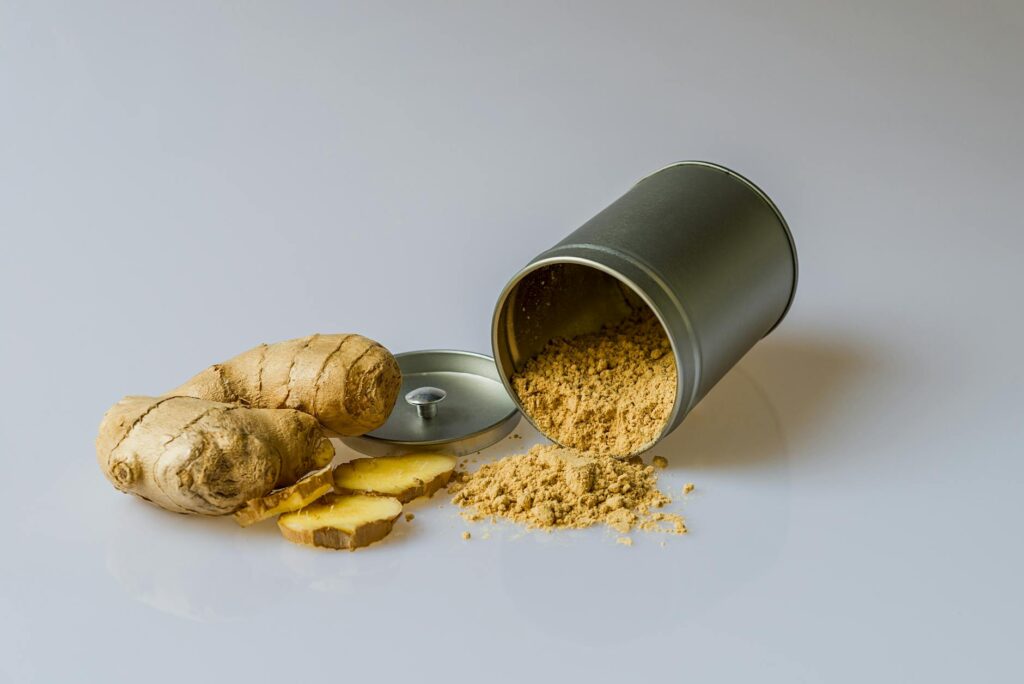
Ginger Growing Guide Part 7
Introduction
Ginger (Zingiber officinale) is a beloved spice known for its unique flavor profile and multifaceted uses in cuisines around the globe. This guide serves as an authoritative resource on the intricacies of growing ginger, focusing on its history, production, grading, and more. Understanding these elements will cultivate not only a deeper appreciation for this vibrant ingredient but also enhance the quality of your culinary endeavors.
What Is Growing?
Growing, in the context of ginger, refers to the cultivation of this perennial plant from rhizomes (the underground stem). It involves several stages, including planting, nurturing, harvesting, and processing. Successful ginger cultivation requires attention to environmental conditions, soil quality, and plant care, making it a rewarding yet demanding endeavor. The process can be both an art and a science, where growers must balance the natural needs of the plant with agricultural practices.
History and Origins
Ginger has a rich history that dates back thousands of years. It is believed to have originated in Southeast Asia, particularly in regions such as India and China, where it has been cultivated for over 5,000 years. The spice was highly valued in ancient trade, traveling along the Silk Road to Europe and beyond.
In ancient times, ginger was not only used as a culinary ingredient but also as a remedy for various ailments. It played a significant role in the spice trade, contributing to cultural exchanges and the economic prosperity of many nations. Today, ginger is cultivated in various climates, with significant production occurring in countries like India, China, Indonesia, and Nigeria, making it a staple ingredient in both Eastern and Western cuisines.
Production and Processing
Cultivation Techniques
Ginger thrives in tropical and subtropical climates, requiring warm temperatures, humidity, and well-draining soil. The cultivation process begins with selecting high-quality rhizomes, which are typically planted in spring. The optimal planting depth is about 2-4 inches, with a spacing of 12-15 inches between each rhizome to allow for healthy growth.
Watering and Fertilization
Ginger requires consistent moisture but should not be waterlogged. Drip irrigation is often recommended to maintain adequate soil moisture without saturating the roots. Fertilization is essential, especially during the growing season. Organic fertilizers, such as compost or well-rotted manure, provide the necessary nutrients for robust growth.
Harvesting
Ginger is usually ready for harvest around 8-10 months after planting, when the leaves start to yellow and die back. The rhizomes can be harvested by hand, carefully digging them out to avoid damage. Fresh ginger can be used immediately, while mature ginger is often dried and processed for long-term storage.
Processing
Once harvested, ginger undergoes various processing steps depending on its intended use. Fresh ginger may be cleaned and packaged for sale in grocery stores, while dried ginger is sliced, ground, or powdered for spice production. The processing methods can significantly affect the flavor, aroma, and shelf life of the final product.
Quality and Grading
The quality of ginger is determined by several factors, including appearance, aroma, flavor, and moisture content. Fresh ginger should have a firm texture, smooth skin, and a strong, spicy aroma.
Grading Standards
Ginger is typically graded based on size, shape, and overall quality. Higher grades are usually larger, with fewer blemishes and a more robust flavor profile. The grading process is essential for both consumers and producers, as it ensures consistency and quality in the market.
Buying Considerations
When purchasing ginger, whether fresh or dried, several factors should be taken into account:
1. Origin: Knowing where the ginger is sourced can impact its flavor and quality. Regions with a long history of ginger cultivation often produce superior products.
2. Appearance: Look for firm, plump rhizomes with smooth skin. Avoid those that appear wrinkled or shriveled.
3. Aroma: Fresh ginger should have a strong, spicy scent. If the aroma is weak or absent, it may indicate age or poor quality.
4. Storage Conditions: Buy from reputable vendors who store ginger properly to maintain its freshness and flavor.
Uses and Applications
Ginger is an incredibly versatile ingredient used in various culinary applications:
- Culinary Uses: It adds warmth and zest to dishes, enhancing both sweet and savory recipes. Ginger is commonly used in Asian cuisine, baked goods, beverages, and marinades.
- Beverages: Ginger tea, ginger ale, and cocktails often feature ginger for its distinctive flavor.
- Preservatives: Due to its antimicrobial properties, ginger can act as a natural preservative for certain foods.
The spice’s ability to pair well with other ingredients makes it a staple in kitchens worldwide.
Storage and Shelf Life
Proper storage is crucial for maintaining the freshness and quality of ginger.
Fresh Ginger
Fresh ginger should be stored in a cool, dry place, ideally in the refrigerator, where it can last for several weeks. Wrapping it in a paper towel and placing it in a perforated plastic bag can help maintain humidity without causing mold. If you need to store it for an extended period, consider freezing it, where it can remain viable for up to six months.
Dried Ginger
Dried ginger should be stored in an airtight container in a cool, dark place. When stored properly, it can last for several years, although its flavor may diminish over time. Ground ginger, like other spices, is best used within six months to a year for optimal flavor.
Common Misconceptions
Several misconceptions surround ginger and its cultivation:
1. Ginger is a Root: Many people refer to ginger as a root, but it is actually a rhizome, a specialized underground stem.
2. G