
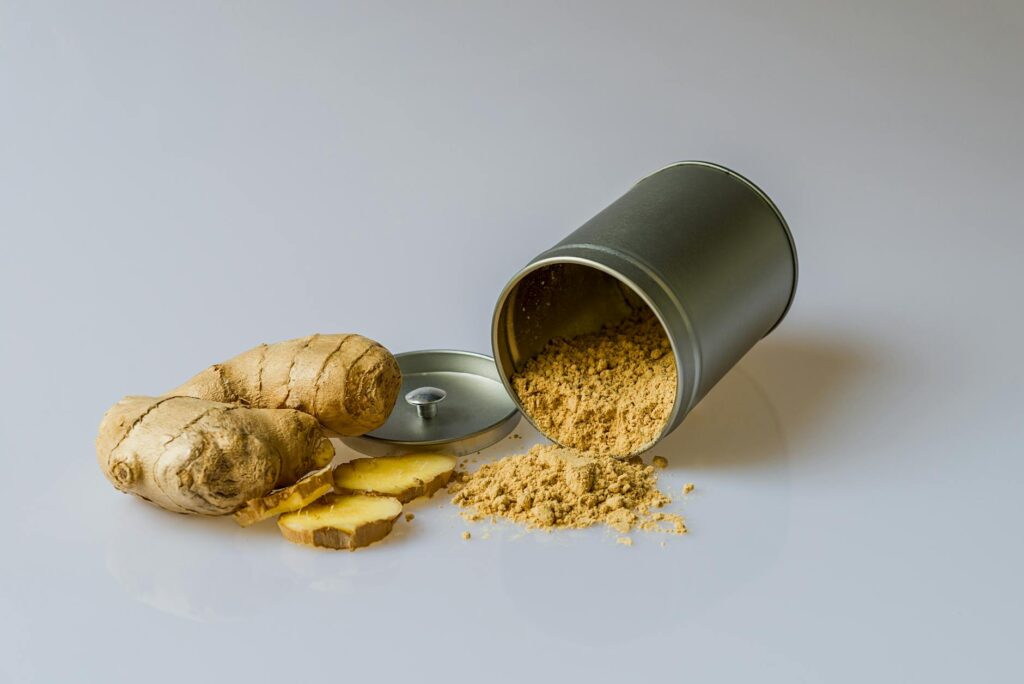
Ginger: Origins and Evolution
Introduction
Ginger, a rhizome known scientifically as Zingiber officinale, has woven itself into the fabric of culinary, medicinal, and cultural practices across the globe. This versatile ingredient not only imparts a distinctive warmth and flavor to various dishes but also carries a rich historical legacy. Its journey from ancient roots to modern kitchens reflects a fascinating evolution that encompasses trade, agriculture, and cultural exchange. This article delves into the origins, production, uses, and common misconceptions about ginger, providing a comprehensive overview of this beloved ingredient.
What Is Ginger?
Ginger is a flowering plant belonging to the family Zingiberaceae, which also includes turmeric and cardamom. The part of the plant that is most widely used is its rhizome, a subterranean stem that grows horizontally. The rhizome is characterized by its brown, fibrous skin and pale yellow flesh, which is known for its pungent flavor and aromatic properties. Fresh ginger is often used in cooking, while dried ginger is commonly found in spice blends. The unique flavor profile of ginger includes notes of warmth, spiciness, and a slight sweetness, making it a favored ingredient in various culinary traditions.
History and Origins
The origins of ginger can be traced back to Southeast Asia, where it has been cultivated for thousands of years. Archaeological evidence suggests that ginger was domesticated in India, with some estimates placing its cultivation as far back as 3000 BCE. The ancient civilizations of India and China recognized the value of ginger not only as a spice but also for its purported health benefits, incorporating it into their diets and medicinal practices.
Ginger made its way to the Mediterranean region through trade routes that connected Asia with Europe. By the time of the Roman Empire, ginger had become a highly sought-after commodity, valued for its flavor and preservative qualities. The spice was often used to mask the taste of spoiled meat and was a key ingredient in various sauces and dishes.
During the Middle Ages, ginger became a staple in European kitchens, especially in the form of candied ginger and gingerbread. The spice was so valuable that it was sometimes used as currency. Its popularity continued to rise, leading to the establishment of ginger plantations in the Caribbean and other tropical regions during the age of exploration.
Production and Processing
Ginger is primarily cultivated in tropical and subtropical climates, with India being the largest producer, followed by countries like China, Indonesia, and Nigeria. The cultivation process begins with selecting healthy rhizomes, which are then planted in well-drained soil. Ginger typically requires a warm climate and ample rainfall to thrive, making it essential to monitor environmental conditions closely.
The harvesting of ginger usually takes place about 8 to 10 months after planting, when the leaves start to turn yellow and die back. Farmers carefully uproot the rhizomes, which can be harvested young (for a milder flavor) or mature (for a more intense taste). After harvesting, the ginger is processed through washing, peeling, and drying, depending on the intended use. Fresh ginger is often sold in markets, while dried ginger is ground into powder or sliced for use in spice blends.
Quality control is crucial during the production process. Factors such as soil quality, weather conditions, and harvesting methods can significantly impact the final product’s flavor and aroma. The best ginger is firm, plump, and free of blemishes, with a strong, fragrant scent.
Quality and Grading
Ginger is graded based on several factors, including size, appearance, and flavor intensity. The grading system varies by region, but generally, higher-quality ginger is characterized by its smooth skin, vibrant color, and robust aroma. In markets, fresh ginger is often categorized by size, with larger rhizomes typically fetching a higher price due to their perceived superior quality.
Dried ginger is also graded, often based on its color, texture, and pungency. The most sought-after dried ginger is light-colored, free of dark spots, and aromatic. Consumers should look for ginger that is labeled with its grade to ensure they are purchasing a high-quality product.
Buying Considerations
When purchasing ginger, whether fresh or dried, there are several key factors to consider:
1. Freshness: For fresh ginger, choose firm and unblemished rhizomes. The skin should be smooth and tight, indicating that the ginger is fresh. Avoid ginger with wrinkles or soft spots, as these may indicate spoilage.
2. Organic vs. Conventional: Organic ginger is grown without synthetic pesticides or fertilizers. While often more expensive, many consumers prefer organic ginger for its purity and environmental benefits.
3. Form: Ginger is available in various forms, including fresh, dried, powdered, and pickled. Choose the form that best suits your culinary needs.
4. Source: Investigate where the ginger is sourced from. Certain regions are known for their superior quality, such as Indian or Jamaican ginger, which are often preferred by chefs for their distinct flavors.
5. Packaging: For dried ginger, check the packaging for any signs of moisture or damage, which can affect the quality and shelf life of the product.
Uses and Applications
Ginger’s versatility extends across various culinary traditions and applications. In Asian cuisine, it is a fundamental ingredient in stir-fries, soups, and marinades. Its bright flavor complements both savory and sweet dishes, making it a popular choice in desserts like gingerbread and cakes.
In Indian cooking, ginger is often ground into a paste and incorporated into curries and spice blends. The use of ginger in teas, particularly in chai, is also prevalent, where it adds warmth and depth to the beverage.
Beyond the culinary realm, ginger is used in beverages, including ginger ale and cocktails, as well as in herbal infusions. Its aromatic qualities make it a frequent choice in perfumery and arom