
Ginger Production by Country
Introduction
Ginger, a spice known for its aromatic properties and distinctive flavor, is revered not only for its culinary applications but also for its cultural significance across various regions. The global demand for ginger has seen a substantial rise, making it essential to understand the landscape of ginger production by country. This article delves into the intricacies of ginger cultivation, processing, and quality considerations across significant ginger-producing nations.
What Is Regions?
In the context of ginger production, “regions” refers to specific geographical areas where ginger is cultivated, focusing on the climatic, cultural, and economic factors that influence its growth. Different countries have unique characteristics that contribute to the flavor, quality, and yield of ginger, making regional understanding vital for consumers, producers, and distributors alike.
History and Origins
Ginger (Zingiber officinale) has a rich history that dates back thousands of years. Native to Southeast Asia, it was first cultivated in India and China, where it was used as both a spice and a medicinal herb. The spice made its way along trade routes to the Middle East and Europe, becoming an essential component of both culinary and pharmacological traditions. By the Middle Ages, ginger was a highly sought-after commodity, leading to its introduction in various regions around the globe.
Today, ginger is cultivated in tropical and subtropical climates, with its popularity soaring due to increasing awareness of its culinary versatility and health benefits. The historical significance of ginger continues to play a role in its production, as traditional farming techniques are often employed alongside modern agricultural methods.
Production and Processing
Major Ginger-Producing Countries
1. India:
India is the largest producer of ginger globally, accounting for nearly 40% of the world’s supply. The state of Kerala is particularly renowned for its high-quality ginger, benefiting from a humid climate and fertile soil. Farmers often utilize traditional cultivation methods, which include intercropping with other spices and crops.
2. China:
China is another powerhouse in ginger production, contributing significantly to global exports. The provinces of Shandong and Sichuan are the primary cultivation areas, where the climate and soil conditions are ideal. Chinese ginger is often characterized by its strong flavor and fibrous texture.
3. Nigeria:
Nigeria ranks as one of the top producers in Africa, with ginger cultivation primarily concentrated in the northern regions. The country has seen a rise in ginger farming due to its economic potential, with farmers increasingly employing both traditional and modern agricultural practices.
4. Indonesia:
Indonesia is known for its diverse varieties of ginger, including the aromatic “bangle” ginger. The country’s tropical climate supports vibrant ginger cultivation, particularly on the islands of Java and Bali.
5. Thailand:
Thailand produces high-quality ginger, often used in traditional dishes and herbal remedies. The northern region, particularly Chiang Mai, is known for its ginger farms, where farmers focus on organic cultivation.
6. Other Notable Producers:
Other countries that contribute to global ginger production include the Philippines, Bangladesh, and Japan. Each of these countries brings unique varieties and cultivation methods to the global ginger market.
Processing
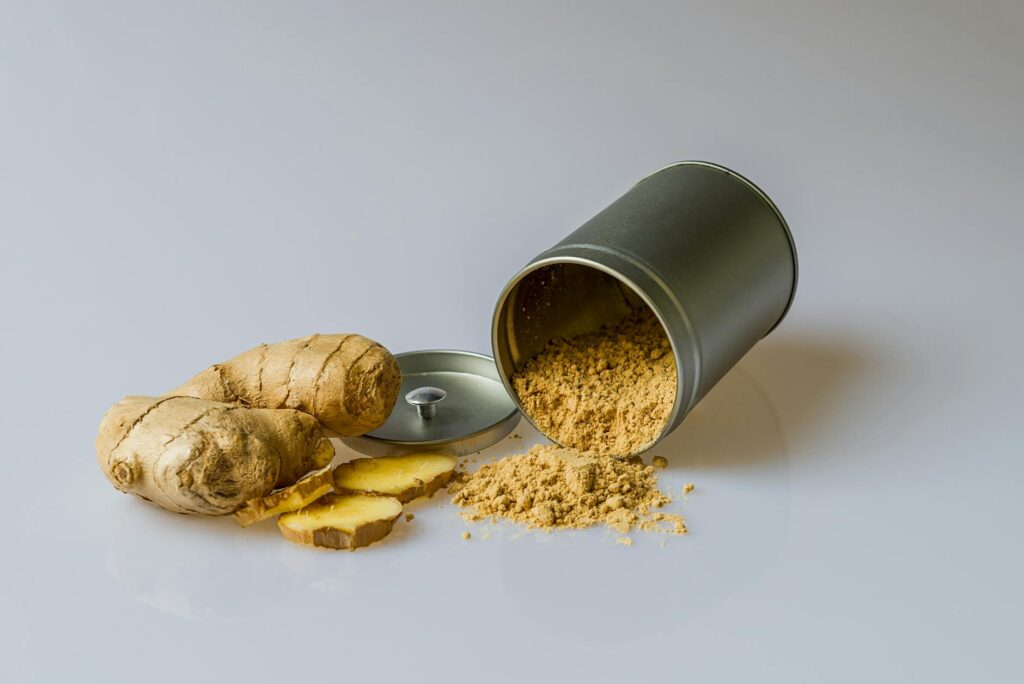
Once harvested, ginger undergoes several processing stages to enhance its shelf life and marketability. Fresh ginger is typically washed, peeled, and either sold as is or dried for longer storage. Drying can be achieved through sun-drying or mechanical methods, leading to the production of ginger powder or dried ginger slices, which are widely used in culinary applications.
Quality and Grading
The quality of ginger is assessed based on several factors, including size, shape, color, and aroma. Generally, high-quality ginger should be firm, smooth-skinned, and free from blemishes or mold. The grading system varies by country but typically includes categories such as:
- Grade A: Premium quality, often used for fresh market sales.
- Grade B: Good quality, suitable for processing or export.
- Grade C: Inferior quality, often used for industrial purposes.
- Freshness: Look for firm, plump roots with a fragrant aroma. Avoid shriveled or soft ginger, as it may indicate age or spoilage.
- Origin: Research the source of the ginger, as different regions yield varying quality and flavor profiles. For example, Indian ginger tends to be more pungent, while Chinese ginger is often more fibrous.
- Organic vs. Conventional: Organic ginger may be preferable for those seeking to avoid pesticides and chemicals. However, it is essential to verify the certification from reputable sources.
- Form: Ginger is available in various forms—fresh, dried, powdered, or pickled. Choose the form that best suits your culinary needs.
- Cooking: Fresh ginger is frequently used in stir-fries, soups, and marinades, providing a warm, spicy flavor.
- Baking: Ground ginger is a staple in baked goods, particularly in gingerbread, cookies, and cakes.
- Beverages: Ginger tea and ginger-infused drinks have gained popularity, celebrated for their refreshing taste and aromatic qualities.
- Preservation: Pickled ginger, often served with sushi, adds a zesty contrast to rich flavors.
- Condiments: Ginger is a key ingredient in various sauces and dressings, enhancing the flavor profile of dishes.
Consumers should be aware of these grading systems when purchasing ginger, as higher quality often correlates with better flavor and culinary performance.
Buying Considerations
When purchasing ginger, several factors should be considered to ensure optimal quality:
Uses and Applications
Ginger is a versatile ingredient with a myriad of culinary applications. It is commonly used in:
Storage and Shelf Life
Proper storage is essential to maintain the freshness and flavor of ginger. Fresh ginger should be stored in a cool, dry place, preferably in a paper bag in the refrigerator, where it can last for several weeks. Alternatively, ginger can be frozen for extended shelf life, allowing it to retain its flavor and aroma.
Dried ginger and ginger powder should be kept in airtight containers in a cool, dark place to prevent moisture and light exposure, which can diminish their potency. When stored correctly, dried ginger can last for up to two years.
Common Misconceptions
Several misconceptions surround ginger that can lead to misunderstandings among consumers:
1. All Ginger Is the Same: Different regions produce ginger with varying flavors and qualities. Understanding these differences can significantly enhance culinary experiences.
2. Ginger Only Comes in One Form: Ginger is available in multiple forms, including fresh, dried, powdered, and pickled. Each form has its unique uses and flavor profiles.
3. Ginger Is Only Used in Asian Cuisine: While ginger is a staple in many Asian dishes, it is also widely used in Western baking and beverages.
4. The Spiciness of Ginger Comes from Capsaicin: Unlike chili peppers, which derive their heat from capsaicin, ginger’s spiciness comes from gingerol, a compound that offers a warm, zesty flavor.
Frequently Asked Questions
1. What is the best way to peel ginger?
The most effective way to peel ginger is to use a spoon to scrape off the skin. This method allows for minimal waste and preserves the maximum amount of the root.
2. How can I tell if ginger has gone bad?
Signs that ginger has spoiled include a shriveled appearance, mold, or an off smell. Fresh ginger should be firm and aromatic.
3. Can I consume ginger daily?
While ginger is generally safe for most people, it is wise to consume it in moderation. For specific dietary concerns, consult with a nutritionist or food expert.
4. What are the different varieties of ginger?
There are several varieties of ginger, including common ginger, bangle ginger, and turmeric ginger. Each type has distinct flavor profiles and culinary uses.
5. How do I store ginger to extend its shelf life?
To extend the shelf life of fresh ginger, store it in a paper bag in the refrigerator. For longer storage, ginger can be peeled and frozen in airtight containers.
6. Is organic ginger worth the cost?
Organic ginger may offer benefits, such as lower pesticide exposure and better environmental practices. However, the choice between organic and conventional should align with personal preferences and budget considerations.
In conclusion, understanding the diverse regions involved in ginger production enhances appreciation for this flavorful ingredient. As demand continues to grow, so too does the need for knowledge about quality, sourcing, and the myriad applications of ginger in culinary arts.