
Ginger Regions Guide Part 6
Introduction
Ginger, a beloved spice celebrated for its distinctive flavor and myriad applications, has a rich history intricately tied to the diverse regions that cultivate it. Understanding the specific regions where ginger flourishes not only enhances our appreciation for this versatile ingredient but also informs culinary practices and purchasing decisions. This guide delves into the global regions renowned for ginger production, offering insights into their histories, cultivation methods, and unique characteristics.
What Is Regions?
In the context of ginger, “regions” refers to the geographic areas known for cultivating ginger, each contributing unique flavors and qualities to the spice. These regions encompass various climates, soil types, and agricultural practices, which ultimately influence the growth, taste, and aroma of ginger. Understanding these regional characteristics can aid chefs, food enthusiasts, and consumers in selecting the best ginger for their culinary needs.
History and Origins
Ginger (Zingiber officinale) is believed to have originated in Southeast Asia, specifically in the Moluccas, often referred to as the Spice Islands. Historical records suggest that ginger has been used for over 5,000 years, both as a culinary ingredient and for its preservative and medicinal properties. It was traded extensively along ancient spice routes, spreading to India, China, and eventually to Europe and the Americas.
The spice gained prominence in ancient Rome, where it was highly valued, often used in cooking and as a medicinal remedy. The introduction of ginger to the Western world was pivotal during the spice trade, which saw European nations vying for control over spice-producing regions. Today, ginger is cultivated in numerous countries, each contributing to the global supply with distinct characteristics defined by their local climates and cultivation practices.
Production and Processing
Ginger thrives in tropical and subtropical climates, preferring well-drained, loamy soils and ample rainfall. Major producing countries include India, China, Indonesia, Nigeria, and the Philippines, each with unique agricultural practices.
India
India is the largest producer of ginger, accounting for approximately 40% of the global supply. The regions of Kerala, Karnataka, and Assam are particularly renowned for their high-quality ginger. Farmers often employ traditional cultivation methods, using organic fertilizers and intercropping techniques to enhance soil fertility. Harvesting typically occurs 8 to 9 months after planting, when the rhizomes are mature and full of flavor.
China
China is another leading producer, primarily cultivating ginger in the provinces of Shandong, Henan, and Sichuan. Chinese ginger is known for its strong aroma and pungent flavor, making it a popular choice for both culinary and medicinal applications. The processing methods often involve sun-drying or steaming to create dried ginger products, which are widely used in traditional Chinese medicine.
Indonesia and Nigeria
Indonesia and Nigeria also contribute significantly to global ginger production. Indonesian ginger is noted for its unique flavor profile, influenced by the country’s diverse microclimates. Nigerian ginger, particularly from the state of Kaduna, is renowned for its rich flavor and high oil content, making it a sought-after export.
Processing Techniques
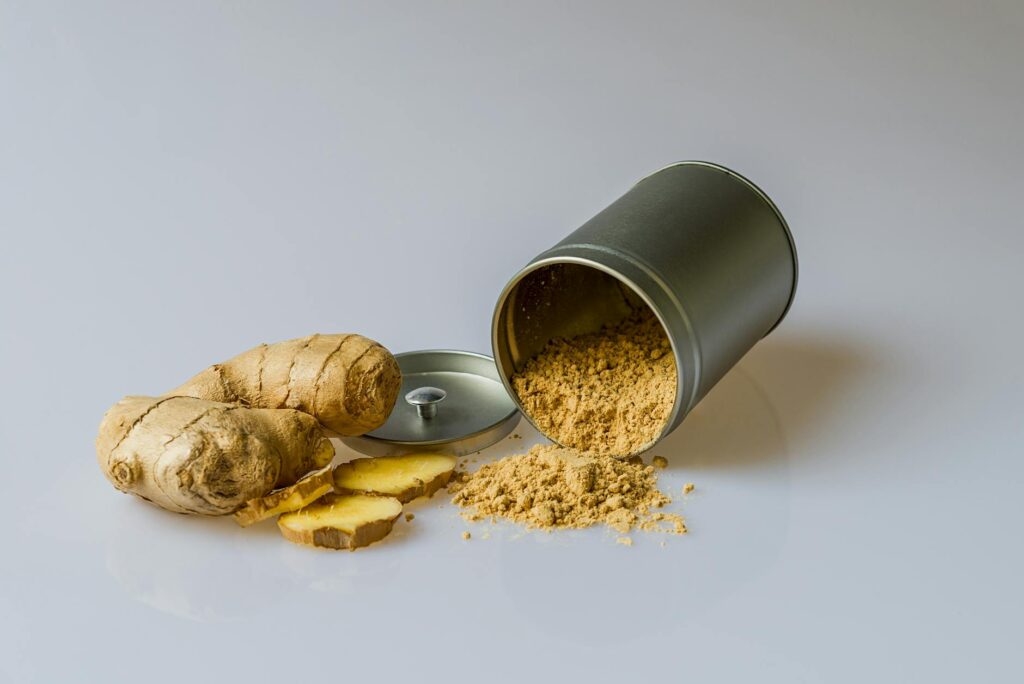
Post-harvest, ginger undergoes various processing methods, including washing, peeling, slicing, and drying. Fresh ginger is typically sold directly in markets, while dried ginger is ground into powder or processed into ginger paste for culinary use. The processing methods employed can significantly affect the flavor, aroma, and shelf life of the ginger.
Quality and Grading
Quality and grading of ginger vary widely based on region, cultivation practices, and processing methods. Generally, fresh ginger is assessed based on its appearance, aroma, firmness, and moisture content. High-quality ginger should be smooth, plump, and free from blemishes or soft spots.
Grading Standards
Several grading standards exist for ginger, including:
- Grade A: Premium quality, firm texture, and vibrant color.
- Grade B: Good quality, slight blemishes but still flavorful.
- Grade C: Lower quality, often used for processing.
- In Cooking: Fresh ginger is often used in stir-fries, soups, and marinades, imparting a warm, spicy flavor. It is also a key ingredient in many Asian cuisines, such as Thai and Indian.
- Baking: Ground ginger is frequently used in baked goods like gingerbread, cookies, and cakes, where its warm notes complement sweet flavors.
- Beverages: Ginger is a popular ingredient in drinks, including ginger tea, cocktails, and health tonics. Its pungent flavor can elevate beverages with a unique zest.
In international trade, adhering to these grading standards ensures consistency and quality in the supply chain, helping consumers and manufacturers alike make informed choices.
Buying Considerations
When purchasing ginger, several factors should be considered to ensure quality and flavor:
1. Freshness: Opt for firm, smooth ginger with a vibrant color. Avoid ginger that is soft or wrinkled.
2. Source: Consider where the ginger is sourced. Regional differences can significantly affect flavor and aroma.
3. Organic vs. Conventional: Organic ginger may offer a more robust flavor profile and is often free from chemical pesticides.
4. Form: Decide between fresh, dried, or powdered ginger based on your culinary needs. Fresh ginger is ideal for most cooking applications, while dried ginger is suitable for baking and spice blends.
5. Sustainability: Look for brands or farmers that engage in sustainable farming practices to support environmental conservation.
Uses and Applications
Ginger’s versatility makes it a staple in various culinary traditions around the world. It is used in a multitude of forms, including fresh, dried, powdered, and pickled. Here are some common applications:
Culinary Uses
Non-Culinary Uses
Beyond culinary applications, ginger is also utilized in the production of cosmetics, perfumes, and essential oils, capitalizing on its aromatic properties. Additionally, it plays