
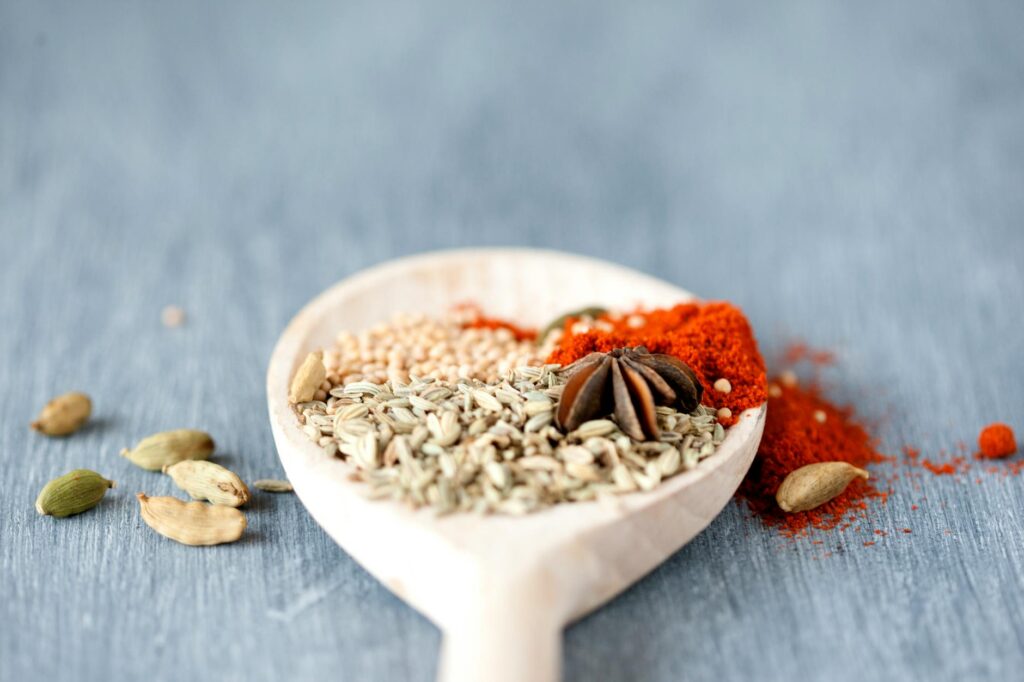
Growing Wildlife Guide Part 7: Cardamom
Introduction
Cardamom, often referred to as the “queen of spices,” holds a prominent place in culinary traditions and herbal practices around the globe. This aromatic ingredient, known for its unique flavor and aroma, is a staple in various cuisines, particularly in South Asia and the Middle East. In this guide, we dive into the growing aspects of cardamom, exploring its history, production, quality, and much more.
What Is Growing?
Growing, in the context of cardamom, refers to the cultivation process that encompasses planting, nurturing, and harvesting the plant. Cardamom is primarily grown in tropical climates, thriving in humid conditions with rich, well-drained soil. Understanding the growing conditions and methods is essential for producing high-quality cardamom pods, which are highly sought after for their culinary and aromatic properties.
History and Origins
Cardamom has a rich history that dates back thousands of years. It is believed to have originated in the lush forests of the Western Ghats in India. Ancient civilizations, including the Egyptians and Greeks, valued cardamom for its flavor and medicinal properties, using it in perfumes, cooking, and as an incense.
Throughout history, cardamom made its way along trade routes, becoming a prized spice in various cultures. In India, it has been cultivated for over 3,000 years, while in the Middle East, it has been utilized for centuries in traditional dishes and beverages. Today, cardamom is cultivated in several countries, including Guatemala, Sri Lanka, and Tanzania, each contributing to its global popularity.
Production and Processing
Cardamom is primarily produced from two species: Elettaria cardamomum (green cardamom) and Amomum subulatum (black cardamom). The cultivation process begins with selecting high-quality seeds and preparing the soil.
Cultivation Methods
1. Soil Preparation: Cardamom prefers loamy, well-drained soil rich in organic matter. Farmers often incorporate compost or well-rotted manure to improve soil fertility.
2. Planting: Seeds are usually sown in shaded areas to protect young plants from harsh sunlight. Propagation can also be done through rhizomes, which are segments of the root that can sprout new plants.
3. Watering and Maintenance: Regular watering is crucial, particularly during the dry season. Mulching is often employed to retain soil moisture and control weeds.
4. Pest and Disease Management: Integrated pest management techniques are used to combat common pests like aphids and thrips. Diseases such as leaf spot and root rot can be mitigated through proper watering and soil management.
5. Harvesting: Cardamom pods are harvested when they turn from green to yellow, typically around 8-10 months after flowering. Manual harvesting is preferred to avoid damaging the delicate pods.
Processing
Once harvested, cardamom requires careful processing to preserve its flavor and aroma. The pods are usually dried in the shade or a controlled environment to prevent sun damage. After drying, they are sorted based on size and quality.
Quality and Grading
The quality of cardamom is determined by several factors, including size, color, aroma, and flavor. Grading systems vary by region but generally classify cardamom into different categories:
1. Grade I: High-quality pods that are plump, green, and aromatic.
2. Grade II: Slightly lesser quality, often with minor defects but still suitable for culinary use.
3. Grade III: Pods that are small, discolored, or have lost some of their aromatic properties.
The grading affects the price and marketability of cardamom, making it essential for producers to understand these standards.
Buying Considerations
When purchasing cardamom, quality should be the primary concern. Here are several factors to keep in mind:
1. Form: Cardamom is available whole, as seeds, or ground. Whole pods retain flavor longer than ground cardamom, which can lose potency quickly.
2. Origin: The source of cardamom can influence its flavor profile. Green cardamom from India is often considered superior due to its unique taste.
3. Packaging: Opt for airtight packaging to ensure freshness. Avoid buying cardamom in bulk bins, as exposure to air can compromise quality.
4. Price: High-quality cardamom is often more expensive. Be cautious of prices that seem too good to be true, as they may indicate inferior quality.
Uses and Applications
Cardamom is immensely versatile, finding its way into both sweet and savory dishes. Its unique flavor complements a wide range of ingredients, making it a favorite among chefs and home cooks alike.
Culinary Uses
1. Savory Dishes: Cardamom is commonly used in curries, stews, and rice dishes. It adds depth and complexity to savory flavors.
2. Beverages: Cardamom is a key ingredient in traditional chai tea and is often used to flavor coffee and hot chocolate.
3. Baking: In the realm of desserts, cardamom is used in cookies, cakes, and pastries, imparting a warm, aromatic flavor.
Non-Culinary Uses
Beyond the kitchen, cardamom is employed in the production of perfumes and essential oils. Its aromatic properties make it a popular choice in aromatherapy and natural beauty products.
Storage and Shelf Life
Proper storage is crucial for maintaining the quality of cardamom. Whole pods should be kept in an airtight container in a cool, dark place, such as a pantry or cupboard. Ground cardamom, however, is more sensitive to air and light and should ideally be stored in the refrigerator.
Shelf Life
- Whole Cardamom Pods: Can last for up to two years when stored correctly.
- Ground Cardamom: Best used within six months for optimal flavor.
Regularly check for signs of spoilage, such as loss of aroma or discoloration, to ensure you are using fresh ingredients.
Common Misconceptions
1. All Cardamom Is the Same: Many believe that all cardamom varieties are interchangeable. In reality, green and black cardamom have distinct flavors and uses.
2. Ground Cardamom Is More Convenient: While ground cardamom is convenient, it loses potency quickly. Whole pods provide better flavor retention.
3. Cardamom Is Only for Indian Cooking: Cardamom has a diverse range of applications across cultures, including Middle Eastern and Scandinavian cuisines.
Frequently Asked Questions
1. What is the difference between green and black cardamom?
Green cardamom has a sweet, floral flavor, making it ideal for sweet and savory dishes. Black cardamom has a smoky aroma and is typically used in savory dishes.
2. Can cardamom be grown in non-tropical climates?
While it thrives in tropical climates, cardamom can be grown in greenhouses or indoors in temperate regions if conditions are controlled for humidity and temperature.
3. How can I tell if my cardamom is fresh?
Fresh cardamom should have a strong, aromatic scent. If it smells bland or stale, it may have lost its potency.
4. Is cardamom safe for everyone to consume?
Cardamom is generally safe for most people, but those with allergies or sensitivities to spices should exercise caution.
5. How much cardamom should I use in my cooking?
The amount of cardamom to use can vary by recipe. Start with a small amount and adjust according to your taste preferences.
6. Can I grow cardamom from seeds?
Yes, cardamom can be grown from seeds. However, it is essential to provide the right conditions for germination and early growth.
Conclusion
Understanding the cultivation and qualities of cardamom enriches our appreciation for this remarkable spice. From its historical roots to its modern applications, cardamom continues to captivate culinary enthusiasts and professionals alike. As we explore the world of food ingredients, recognizing the nuances of growing and producing cardamom enhances our culinary journey, ensuring we enjoy its delightful flavor to the fullest.