
Hazelnuts Around the World
Introduction
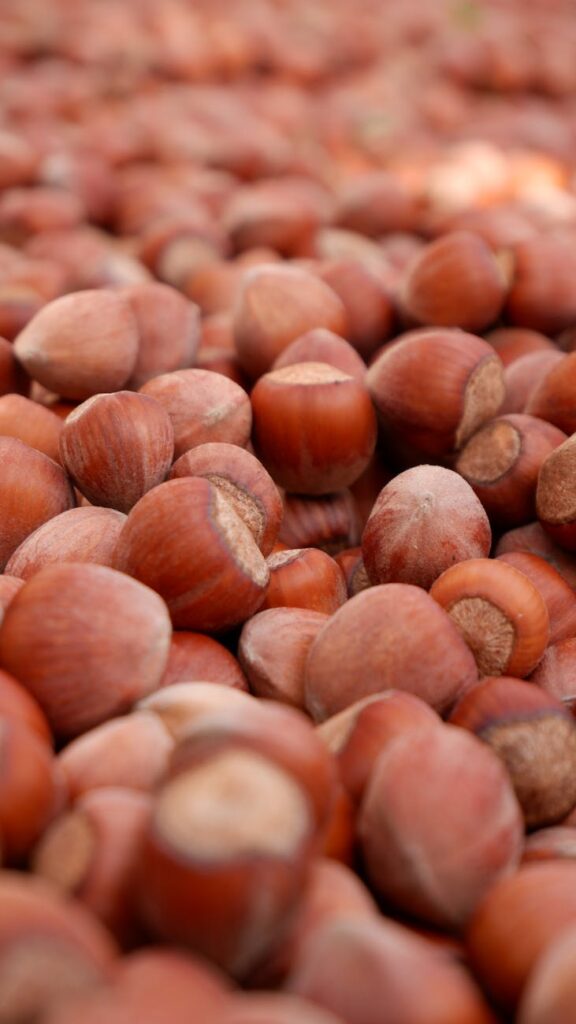
Hazelnuts, also known as filberts or cobnuts, are small, round nuts that are rich in flavor and nutrients. Revered for their versatility, they are utilized in a plethora of culinary applications ranging from savory dishes to delightful desserts. While they can be found in various parts of the world, the specific characteristics and qualities of hazelnuts can vary greatly depending on their region of origin. This article delves into the regions where hazelnuts are cultivated, their historical significance, production processes, quality assessments, and much more.
What Is Regions?
In the context of food ingredients, “regions” refers to the geographical areas where specific crops are grown, each contributing distinct characteristics to the ingredients produced. For hazelnuts, regions are significant because the climate, soil, and traditional cultivation methods directly influence their flavor profile, texture, and overall quality. Understanding these regional nuances can enhance appreciation and application in culinary practices.
History and Origins
The hazelnut has a rich history that traces back thousands of years. Archeological evidence suggests that hazelnuts were consumed by early humans in the Mediterranean and Near East, with some findings dating as far back as the Stone Age. Ancient Greeks and Romans valued hazelnuts for their nutritional properties and utilized them in various dishes.
In the 19th century, hazelnuts gained popularity in Europe, especially in countries like Italy and France, where they became integral to traditional confections. The establishment of commercial hazelnut orchards began in the United States during the 20th century, particularly in Oregon, which has since become one of the largest producers of hazelnuts in the world.
Production and Processing
Hazelnut production is predominantly concentrated in specific regions due to the nut’s climate requirements. The primary producers include Turkey, Italy, the United States, Azerbaijan, and Georgia.
Turkey
Turkey is the world’s largest producer, accounting for approximately 70% of global hazelnut production. The Black Sea region, particularly around the city of Giresun, provides the ideal climate—mild winters and humid summers—that is conducive to hazelnut cultivation. The country excels in both traditional and organic farming practices, often employing hand-harvesting techniques to ensure quality.
Italy
Italy is renowned for its high-quality hazelnuts, particularly the Tonda Gentile variety, which is native to the Piedmont region. Italian hazelnuts are celebrated for their intense flavor and are often used in premium chocolate products and confectionery. The region’s unique microclimate, combined with traditional cultivation methods, contributes to the distinctive quality of these nuts.
United States
In the U.S., Oregon stands out as the primary producer of hazelnuts, specifically the ‘Barcelona’ variety. Oregon’s climate—characterized by wet winters and dry summers—mirrors that of the Mediterranean, making it an excellent environment for hazelnut farming. The state has increasingly focused on sustainable farming practices, which has resulted in a growing reputation for high-quality hazelnuts.
Azerbaijan and Georgia
These countries also contribute significantly to global hazelnut production. Azerbaijan, with its fertile lands, produces various local varieties that are often used in traditional dishes. Georgia, on the other hand, has a burgeoning hazelnut industry that focuses on both domestic consumption and export.
Processing
Once harvested, hazelnuts undergo various processing steps, including drying, shelling, and roasting. Proper drying is crucial to prevent mold growth and maintain quality. Shelling can be done mechanically or by hand, depending on the scale and purpose of production. Roasting enhances the nut’s flavor, making it a popular choice for both culinary and snack applications.
Quality and Grading
The quality of hazelnuts can vary significantly based on several factors, including the region of origin, cultivation practices, and post-harvest processing. Grading systems are essential for ensuring consistent quality, particularly for commercial buyers.
Grading Systems
Hazelnuts are typically graded based on size, appearance, and quality. The most common grading system includes:
- US Fancy: The highest quality, characterized by large, uniformly shaped nuts with minimal defects.
- US No. 1: Slightly smaller than US Fancy but still of high quality, with minor imperfections.
- US No. 2: Includes smaller nuts and those with more visible defects.
- Origin: Knowing the region of production can provide insights into flavor and quality. Opt for nuts from reputable producers.
- Form: Hazelnuts are available in various forms, including whole, chopped, blanched, and roasted. Choose the form that best suits your culinary needs.
- Packaging: Look for nuts packaged in vacuum-sealed bags to preserve freshness. Avoid products with excessive air exposure, which can lead to rancidity.
- Certification: Organic certifications can assure consumers of sustainable farming practices, though they may come at a higher price.
- Confectionery: Hazelnuts are a key ingredient in many chocolate products, including Nutella and various pralines.
- Baking: Ground hazelnuts are often incorporated into cakes, cookies, and pastries, adding moisture and flavor
Flavor Profile
Regional differences also influence the flavor profile of hazelnuts. Turkish hazelnuts are often described as having a rich, buttery flavor, while Italian varieties like Tonda Gentile are known for their sweet, delicate taste. Understanding these flavor profiles can assist chefs and home cooks in selecting the right hazelnuts for specific culinary applications.
Buying Considerations
When purchasing hazelnuts, several factors should be taken into account to ensure quality and freshness:
Uses and Applications
Hazelnuts are incredibly versatile and find applications in both sweet and savory dishes. Their unique flavor makes them a popular choice in various culinary traditions worldwide.