
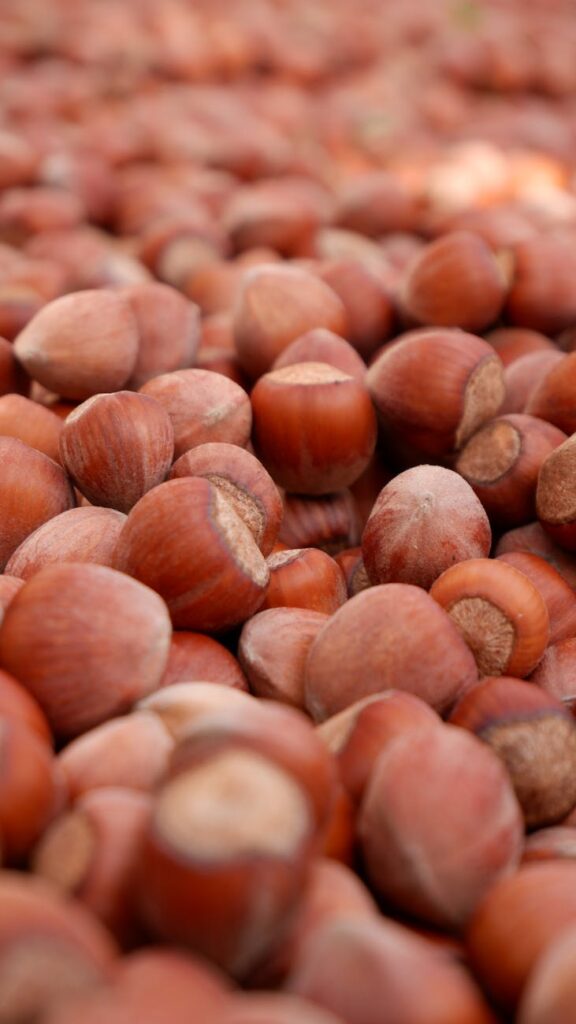
Hazelnuts Growing Guide Part 6
Introduction
Hazelnuts, recognized for their rich flavor and versatility, are not only a popular ingredient in various culinary applications but also a key crop in sustainable agriculture. As interest in local sourcing and artisanal food production continues to grow, understanding the intricacies of hazelnut cultivation is vital for aspiring growers and culinary enthusiasts alike. In this guide, we will delve into the nuances of growing hazelnuts, from their historical significance to modern production techniques, quality assessments, and storage considerations.
What Is Growing?
Growing, in the context of horticulture, refers to the cultivation process that encompasses everything from planting seeds or seedlings to managing the environment for optimal plant development. For hazelnuts, this includes selecting the right varieties, understanding soil requirements, managing pests and diseases, and ensuring proper irrigation. Successful growing hinges on a combination of agronomic principles and attentive care, leading to the production of high-quality nuts that meet market demands.
History and Origins
The history of hazelnuts (Corylus avellana) dates back thousands of years, with archaeological evidence suggesting their consumption as far back as the Stone Age. Native to Europe and Asia, the hazelnut tree has been cultivated for its edible seeds since ancient times. The Greeks and Romans held hazelnuts in high regard, often associating them with nourishment and protection.
In more recent history, hazelnuts gained prominence in the 19th century when cultivation began in earnest in regions such as Turkey, which remains the largest producer today, followed closely by Italy and the United States. The hazelnut has found its way into various cultural cuisines, notably in confectionery, where it plays a crucial role in products like chocolate spreads and pralines.
Production and Processing
Cultivation Practices
To successfully grow hazelnuts, it is essential to consider several key factors:
1. Climate Requirements: Hazelnuts thrive in temperate climates with well-defined seasons. They require a chilling period during winter to ensure proper flowering in spring.
2. Soil Conditions: Well-drained, loamy soils with a pH of 6.0 to 7.0 are ideal for hazelnut cultivation. Soil fertility can be enhanced with organic matter and appropriate fertilizers.
3. Planting Techniques: Hazelnuts are typically planted as seedlings or bare-root trees. Spacing is crucial; trees should be planted approximately 15–20 feet apart to allow for sufficient airflow and sunlight.
4. Irrigation and Fertilization: Regular watering is essential, particularly during the tree’s first few years. Fertilization should be tailored according to soil tests, focusing on nitrogen, phosphorus, and potassium.
Harvesting
The harvesting of hazelnuts usually occurs in late summer to early autumn when the husks turn from green to brown, indicating ripeness. Mechanical harvesting methods are prevalent in commercial operations, while smaller farms may opt for hand-picking to minimize damage to the trees and nuts.
Processing
Post-harvest, hazelnuts undergo various processing steps to prepare them for market:
- Drying: To prevent mold and preserve quality, hazelnuts must be dried to a moisture content of around 6-8%.
- Shelling: Nuts are typically shelled to separate the edible kernel from the hard outer shell. This can be achieved through mechanical shelling or hand-cracking for smaller batches.
- Roasting: Roasting enhances the flavor and aroma of hazelnuts, making them more appealing for culinary uses. This process can be done at various temperatures and durations depending on desired flavor profiles.
- Fancy: Large, whole nuts with minimal defects.
- Extra: Slightly smaller, but still high-quality nuts with minor imperfections.
- Standard: Smaller nuts or those with more visible defects.
- Confectionery: Used in chocolate spreads, pralines, and candy bars, hazelnuts complement chocolate beautifully.
- Baking: Ground hazelnuts are commonly incorporated into pastries, cookies, and breads to add flavor and texture.
- Savory Dishes: In Mediterranean cuisines, hazelnuts are often used in salads, pestos, and sauces, providing a unique nutty flavor.
- Beverages: Hazelnut liqueurs and flavored coffees showcase the nut’s versatility beyond traditional applications.
Quality and Grading
The quality of hazelnuts is determined by several factors, including size, color, and flavor. Grading systems vary by region but generally classify nuts into categories such as:
Quality assurance measures, including moisture content assessment and flavor evaluations, are critical in maintaining high standards throughout the production process.
Buying Considerations
When purchasing hazelnuts, whether for personal use or commercial purposes, several considerations should be kept in mind:
1. Source: Opt for reputable suppliers who prioritize quality and sustainability. Buying local can also support regional agriculture.
2. Freshness: Check for harvest dates and packaging that indicates the nuts were processed and packed shortly after harvesting.
3. Type: Decide between raw or roasted nuts based on intended use. Roasted hazelnuts are ideal for immediate consumption, while raw nuts may be preferred for baking and cooking.
4. Storage: Understand the storage conditions of the nuts. Properly stored hazelnuts should have a long shelf life, but exposure to moisture and air can lead to spoilage.
Uses and Applications
Hazelnuts are renowned for their culinary applications, transcending cultural boundaries. They can be found in:
Additionally, hazelnuts are increasingly being recognized for their role in plant-based diets as a source of healthy fats and protein.
Storage and Shelf Life
Hazelnuts, when stored properly, can maintain their quality for extended periods. Here are key storage guidelines: