
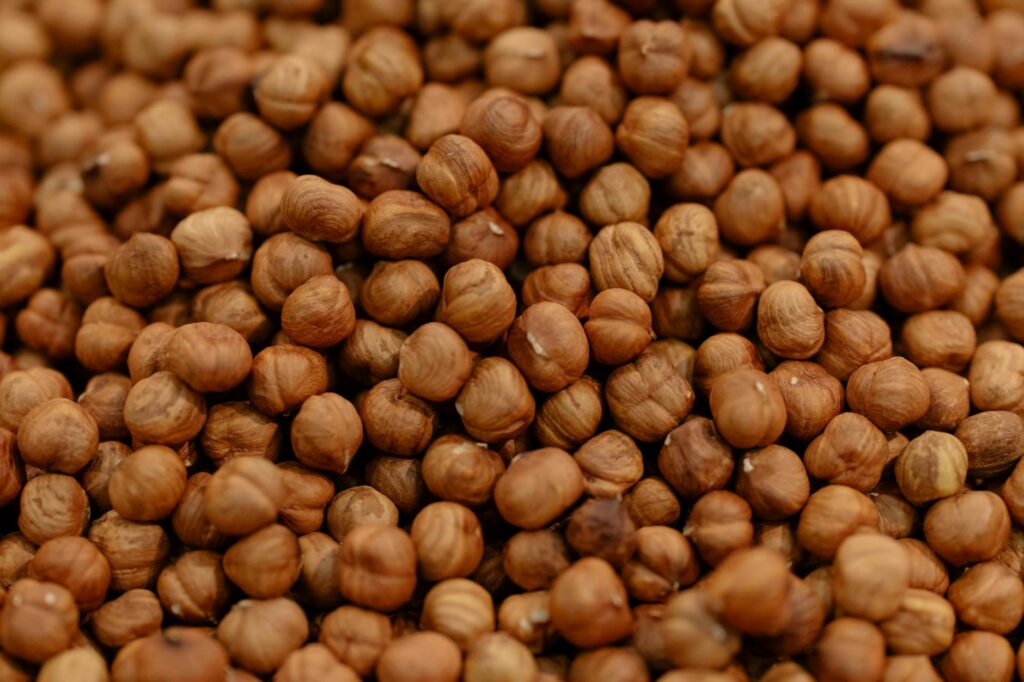
Hazelnuts Growing Guide Part 7
Introduction
Hazelnuts, with their rich flavor and versatile applications, are a favored ingredient in various culinary traditions around the globe. Part 7 of our Hazelnuts Growing Guide delves into the intricacies of cultivation, production, and the various aspects that influence quality and usage. Understanding these components is essential for anyone involved in the hazelnut industry, from growers to culinary professionals.
What Is Growing?
Growing refers to the process of cultivating plants, and in the context of hazelnuts, it encompasses several critical aspects: site selection, planting techniques, nurturing the plants, and ensuring optimal conditions for growth. This process requires a comprehensive understanding of the environmental factors that influence hazelnut trees, including climate, soil conditions, and pest management.
Site Selection
Choosing the right site is paramount for successful hazelnut cultivation. Hazelnuts thrive in temperate climates with well-drained, loamy soil. The ideal pH ranges between 6.0 and 7.0. Factors such as air drainage, sunlight exposure, and geographical location also play significant roles. Areas that experience a distinct winter chill are especially beneficial, as they help the trees break dormancy effectively.
Planting Techniques
The planting process involves a few essential steps. Hazelnut trees can be propagated from seeds, but most commercial growers prefer to use grafted nursery stock, which ensures genetic consistency and quicker fruit production. When planting, it is crucial to space the trees adequately—typically about 10 to 15 feet apart—to allow for proper airflow and sunlight penetration.
History and Origins
The cultivation of hazelnuts dates back thousands of years, with archaeological evidence suggesting that they were first domesticated in the Mediterranean region. Initially, wild varieties were harvested for their nuts, but over time, selective breeding led to the development of cultivated varieties that are more productive and resilient.
The modern hazelnut industry has its roots in countries like Turkey, which is the largest producer globally. Other significant producers include Italy, the United States, and Spain. Each region has adapted its cultivation practices to suit local climates and soil types, leading to a diverse range of hazelnut varieties.
Production and Processing
Once hazelnuts are harvested, they undergo several processing steps before reaching consumers. The production cycle typically begins in late summer to early fall when the nuts are ripe. Harvesting can be labor-intensive, often requiring specialized equipment for shaking the trees and collecting the fallen nuts.
Post-Harvest Processing
After harvesting, hazelnuts must be cleaned, dried, and sorted. The drying process is crucial as it prevents mold and ensures a longer shelf life. The nuts are often subjected to quality control checks to remove any that are damaged or of inferior quality.
After drying, hazelnuts can be further processed into various forms, including roasted, chopped, or ground into flour or paste. Each processing technique impacts the flavor profile and applications of the hazelnuts in culinary uses.
Quality and Grading
Quality is an essential aspect of hazelnut production and can significantly influence marketability. The grading process usually considers several factors, including size, shape, color, and the presence of defects. The International Nut and Dried Fruit Council (INC) has established grading standards that many producers follow to maintain consistency and quality.
Factors Influencing Quality
- Varietal Differences: Certain hazelnut varieties are known for their superior flavor and texture, making them more desirable for culinary applications.
- Harvest Timing: Nuts harvested at the right time typically exhibit better flavor and quality than those picked too early or late.
- Processing Methods: The way hazelnuts are processed post-harvest can greatly affect their taste and usability. For instance, roasting can enhance flavor, while improper drying can lead to rancidity.
- Confectionery: Hazelnuts are a key ingredient in many chocolates and confections, providing depth of flavor and texture.
- Baking: They are commonly used in baked goods such as cakes, cookies, and pastries.
- Cooking Oils: Hazelnut oil is prized for its nutty flavor and is often used in dressings and marinades.
- Nut Butters: Ground hazelnuts are transformed into nut butters, providing an alternative to traditional peanut butter.
- Temperature: Ideally, hazelnuts should be kept at temperatures below 70°F (21°C).
- Humidity: Low humidity levels are essential to prevent mold growth.
- Containers: Airtight containers or vacuum-sealed bags are recommended to minimize exposure to air and moisture.
Buying Considerations
When purchasing hazelnuts, several factors should be taken into account to ensure quality and freshness.
Source and Certification
Opt for reputable suppliers who provide information about the origin of their hazelnuts. Certifications such as organic or Fair Trade can also indicate higher quality and ethical sourcing practices.
Packaging
Hazelnuts should be packaged in airtight containers to maintain freshness. Check the packaging date and ensure that the nuts are whole and free from any signs of spoilage.
Price
While price can be an indicator of quality, it is essential to consider the source and production methods. Premium hazelnuts may command higher prices but often deliver superior flavor and texture.
Uses and Applications
Hazelnuts are remarkably versatile and find applications in various culinary contexts.
Culinary Uses
Non-Culinary Uses
Beyond culinary applications, hazelnuts are also used in cosmetics and personal care products due to their moisturizing properties.
Storage and Shelf Life
Proper storage is vital for maintaining the quality of hazelnuts. When stored in cool, dry conditions, hazelnuts can last up to a year.
Recommended Storage Conditions
For longer storage, hazelnuts can be frozen, extending their shelf life for up to