
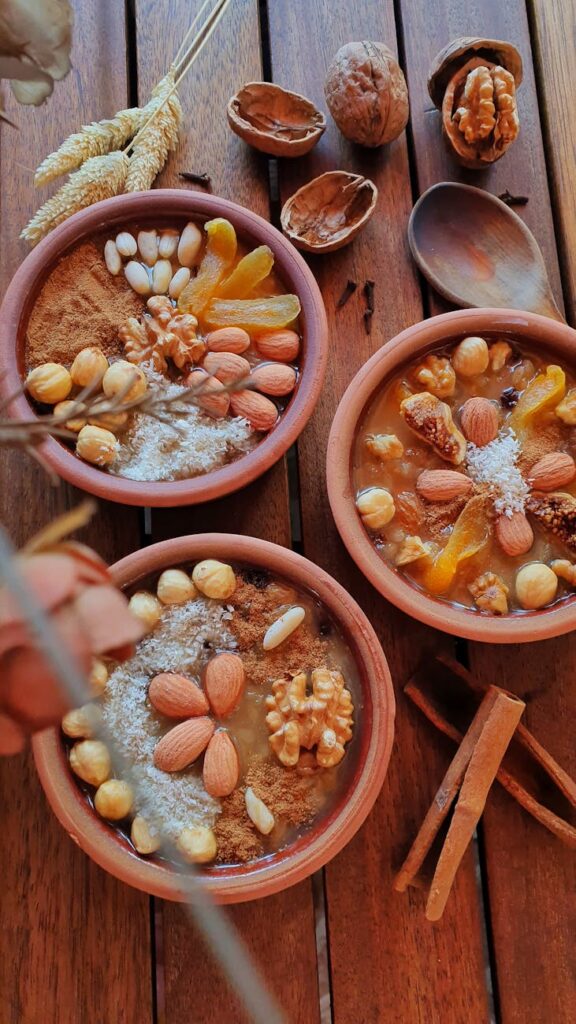
Hazelnuts Production by Country
Introduction
Hazelnuts, also known as filberts or cobnuts, are small, round nuts that have a rich, sweet flavor and a versatile nature. These nuts are highly valued in culinary applications, ranging from confectionery to gourmet cuisine. Their production is concentrated in specific regions around the globe, influenced by local climate, soil conditions, and agricultural practices. Understanding the dynamics of hazelnut production by country not only highlights the significance of these regions but also underscores the global demand for this beloved ingredient.
What Is Regions?
In the context of agricultural products, “regions” refers to geographical areas where specific crops are cultivated, shaped by environmental factors such as climate, soil composition, and altitude. Each region contributes unique characteristics to the produce it yields, influenced by traditional farming practices, local culture, and technology. This article explores the leading countries in hazelnut production, detailing their geographical advantages and cultivation methods.
History and Origins
The history of hazelnuts can be traced back thousands of years. Native to the temperate regions of Europe and Asia, the hazelnut tree, Corylus avellana, has been cultivated since prehistoric times. Archaeological evidence indicates that hazelnuts were a staple food for ancient civilizations, including the Romans and Greeks. The tree’s adaptability allowed it to flourish in various climates, leading to its spread across Europe, the Middle East, and eventually to North America.
In modern times, the increasing popularity of hazelnuts in desserts, spreads, and snacks has spurred commercial cultivation. Turkey emerged as the dominant producer in the 20th century, while other countries also expanded their hazelnut farming efforts to meet global demand.
Production and Processing
Leading Producers
1. Turkey
Turkey is by far the largest producer of hazelnuts, accounting for approximately 70% of the global supply. The Black Sea region, particularly Ordu, Giresun, and Trabzon, is the epicenter of hazelnut cultivation. The favorable climate, characterized by mild winters and warm summers, along with fertile soil, creates ideal growing conditions.
2. Italy
Italy ranks second in hazelnut production, particularly in regions like Piedmont, Campania, and Lazio. The famous Tonda Gentile delle Langhe variety hails from Piedmont and is distinguished by its high quality, leading to its prevalence in gourmet products.
3. United States
The United States, primarily Oregon, is the third-largest producer of hazelnuts. The Willamette Valley’s climate, with its mild winters and dry summers, provides an excellent environment for hazelnut orchards. American growers have focused on developing disease-resistant varieties to enhance production.
4. Azerbaijan
Azerbaijan is also a notable producer, particularly in the Ganja and Sheki regions. The country’s rich agricultural heritage includes traditional hazelnut farming practices that have been passed down through generations.
5. Georgia
Georgia has been increasing its hazelnut production, leveraging its favorable climate and soil conditions. The country has potential for growth in the international market.
Processing Techniques
Once harvested, hazelnuts undergo several processing stages to achieve the final product. After harvesting, nuts are typically dried to reduce moisture content, which helps prevent spoilage. The drying process can be done naturally in the sun or using industrial dryers.
After drying, hazelnuts may be hulled to remove the outer shell. The nuts are then sorted and graded based on size and quality. Some nuts undergo blanching, where the skins are removed through steaming, enhancing their flavor and texture for culinary use.
Quality and Grading
Quality and grading of hazelnuts are essential for market acceptance. Various factors determine the grade, including size, color, and the presence of defects. The industry commonly uses a grading scale to classify hazelnuts:
- Extra Class: These are the highest quality nuts, characterized by uniform size, shape, and color, with minimal defects.
- Class I: These nuts are of good quality but may have some minor defects or size inconsistencies.
- Class II: Lower quality nuts may have visible defects and a wider range of sizes.
- Confectionery: Hazelnuts are a staple in chocolate products, such as pralines and spreads like Nutella. Their rich flavor complements cocoa exceptionally well.
- Baking: Ground hazelnuts are often used in baking, providing texture and depth to cakes, cookies, and pastries.
- Savory Dishes: In addition to sweet applications, hazelnuts can enhance savory dishes, adding crunch and a nutty flavor to salads, sauces, and meat dishes.
- Nut Butters: Hazelnut butter is a popular alternative to peanut butter, serving as a spread or ingredient in smoothies.
- Oils: Hazelnut oil is prized for its nutty flavor and is used in salad dressings, marinades, and for finishing dishes.
- Temperature: Store hazelnuts in a cool, dark place. Ideal storage temperatures are between 32°F and 50°F (0°C to 10°C).
- Containers: Use airtight containers to protect against moisture and air exposure. Glass jars, vacuum-sealed bags, or resealable plastic bags are suitable options.
- Refrigeration: For long-term storage, hazelnuts can be refrigerated or frozen. When properly stored in the freezer, they can last up to two years without significant loss of flavor.
- Shelf Life: Generally, whole hazelnuts can last for about 6-12 months at room temperature, while shelled or chopped nuts have a shorter shelf life due to increased exposure to air.
Quality control measures are vital during processing to ensure that only the best nuts reach consumers. Certifications from organizations such as the USDA or European Union can further enhance marketability.
Buying Considerations
When purchasing hazelnuts, several factors should be considered:
1. Origin: Knowing the source of hazelnuts can indicate quality. Nuts from Turkey and Italy are often sought after for their superior flavor and quality.
2. Form: Hazelnuts are available in several forms—whole, chopped, roasted, or raw. The intended use in recipes will dictate which form is appropriate.
3. Packaging: Look for well-sealed, airtight packaging to maintain freshness. Vacuum-sealed or nitrogen-flushed packaging can extend shelf life.
4. Certification: Check for certifications indicating organic or non-GMO status, which can be important for health-conscious consumers.
5. Freshness: Fresh nuts provide the best flavor and texture. Check the harvest date or expiration date on the packaging.
Uses and Applications
Hazelnuts are versatile ingredients utilized in various culinary applications:
Storage and Shelf Life
Proper storage is vital for maintaining the freshness and flavor of hazelnuts. Here are some guidelines:
Common Misconceptions
1. Hazelnuts Are Not Nut Allergies: While hazelnuts are classified as tree nuts, they are not the same as all other nuts. Individuals with allergies should consult with a healthcare provider to determine specific allergies.
2. All Hazelnuts Are the Same: Different varieties of hazelnuts exist, each with unique flavors and uses. For example, the Tonda Gentile variety is sought after for its rich taste, while other varieties may differ in flavor and texture.
3. Hazelnuts Are Only for Sweets: While commonly used in desserts, hazelnuts can also be featured in savory dishes, enhancing the overall flavor profile.
4. Roasting Is Unnecessary: Some believe that raw hazelnuts are the best option. However, roasting intensifies their flavor and can improve digestibility.
Frequently Asked Questions
1. What are the primary health benefits of hazelnuts?
Hazelnuts are rich in healthy fats, fiber, vitamins, and minerals, making them a nutritious addition to a balanced diet.
2. How can I tell if hazelnuts are fresh?
Fresh hazelnuts should have a pleasant, nutty aroma and a firm texture. If they smell rancid or have a soft texture, they may be spoiled.
3. Can I eat hazelnuts if I have a nut allergy?
Individuals with nut allergies should avoid hazelnuts and consult with a healthcare professional for advice.
4. What is the best way to roast hazelnuts at home?
To roast hazelnuts, spread them in a single layer on a baking sheet and roast in a preheated oven at 350°F (175°C) for about 10-15 minutes, stirring occasionally until golden brown and fragrant.
5. Are there any organic hazelnut options available?
Yes, many producers offer organic hazelnuts, which are grown without synthetic pesticides or fertilizers. Look for certification labels when purchasing.
6. How should I incorporate hazelnuts into my diet?
Hazelnuts can be enjoyed as a snack, added to baked goods, blended into smoothies, or used in savory dishes for added crunch and flavor.
In conclusion, hazelnuts are not only an essential ingredient in many culinary traditions worldwide, but they also offer a rich history and diverse applications. Understanding the nuances of hazelnut production across different regions provides insight into this beloved ingredient’s significance in global cuisine.