
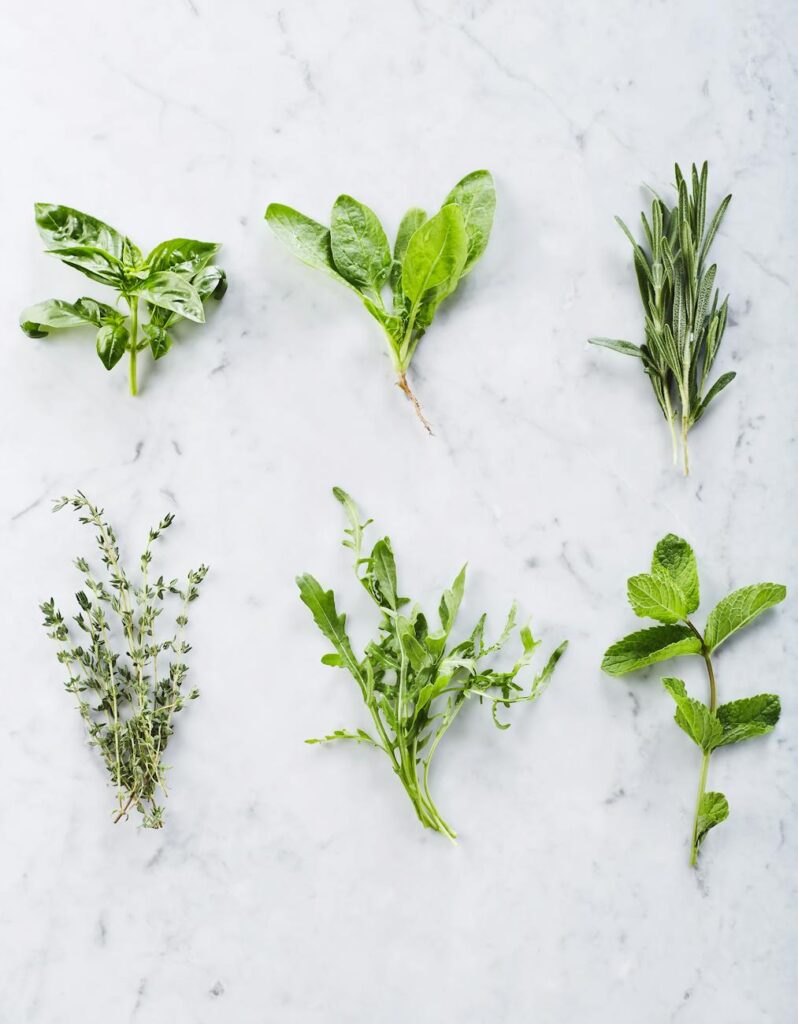
How Arugula Is Farmed Commercially
Introduction
Arugula, also known as Eruca sativa or rocket, has gained significant popularity in culinary circles for its distinct peppery flavor and nutritional benefits. Its versatility makes it a sought-after leafy green in salads, sandwiches, and garnishes. As demand continues to rise, understanding how arugula is farmed commercially becomes essential for producers, chefs, and consumers alike. This article delves into the intricacies of commercial arugula farming, exploring its cultivation, processing, quality control, and more.
What Is Growing?
Growing refers to the process of cultivating plants, which can involve various techniques and methodologies tailored to specific crops. In the context of arugula, growing encompasses seed selection, soil preparation, planting, maintenance, and harvesting. The aim is to optimize conditions for robust plant growth while ensuring high yields and quality.
History and Origins
Arugula’s history can be traced back to the Mediterranean region, where it has been cultivated since ancient times. Historical texts indicate that arugula was consumed by the Romans, who valued it not just as a culinary delight but also for its purported aphrodisiac properties. Over the centuries, arugula spread across Europe and eventually found its way to North America in the late 19th century. Today, it is widely grown in various regions around the world, adapting to different climates and farming practices.
Production and Processing
Cultivation Techniques
Commercial arugula is typically grown in either open fields or controlled environments such as greenhouses. Each method has its advantages:
- Open Field Cultivation: This traditional method allows for large-scale production. Arugula is typically sown directly into well-prepared soil, where it can absorb sunlight and nutrients from the earth. The ideal soil for arugula is well-drained, rich in organic matter, and has a pH level between 6.0 and 7.0.
- Greenhouse Cultivation: For off-season production or in regions with less-than-ideal climate conditions, greenhouses provide a controlled environment. This method allows growers to manage temperature, humidity, and light levels effectively, facilitating year-round production.
- Irrigation: Consistent moisture is vital for arugula, particularly during germination and early growth stages. Drip irrigation is often employed to minimize water waste and prevent disease.
- Fertilization: Arugula benefits from organic fertilizers rich in nitrogen, as this nutrient promotes lush leaf growth. Soil tests can help determine the specific nutrient needs of the crop.
- Pest Management: Common pests affecting arugula include aphids, flea beetles, and caterpillars. Integrated pest management (IPM) strategies, which combine biological, cultural, and chemical controls, are often implemented to minimize crop loss.
- Leaf Size and Shape: Ideally, arugula leaves should be uniform in size and shape, with a vibrant green color that indicates freshness.
- Flavor Profile: The peppery taste is a key characteristic. Flavor testing can be employed to ensure that only the best batches reach the market.
- Absence of Defects: Leaves should be free from blemishes, insects, or signs of disease, which can detract from both market value and consumer appeal.
- Freshness: Look for vibrant green leaves with no signs of wilting or browning. Fresh arugula should feel crisp to the touch.
- Organic vs. Conventional: Organic arugula is grown without synthetic pesticides and fertilizers, appealing to health-conscious consumers. Consider whether organic certification is important to you.
- Source: Supporting local farmers can promote sustainability. Knowing where your arugula comes from may provide insights into its growing practices.
- It’s Just a Salad Green: While often associated with salads, arugula can be used in a variety of dishes, including pastas, soups, and even desserts.
- Bitter is Bad: The flavor profile of arugula can vary based on growing conditions and maturity. While younger leaves are milder, mature leaves can indeed be more bitter, which some consumers may prefer.
- Difficult to Grow: Many believe arugula is challenging to cultivate, but it is, in fact, a hardy plant that can thrive in diverse conditions, making it accessible for both novice and experienced gardeners.
Planting and Maintenance
Arugula seeds are usually sown in rows, with a recommended spacing of about 1 to 2 inches between each seed. Depending on the desired harvest time, arugula can be sown in succession every few weeks. This staggered planting technique allows for continuous harvests throughout the growing season.
Regular maintenance is crucial for optimal growth. This includes:
Harvesting
Arugula is typically ready for harvest within 30 to 40 days after planting. The leaves should be picked when they are young and tender, as they tend to become more bitter as they mature. Harvesting can be done by hand or with mechanical harvesters, depending on the scale of production. Care should be taken to minimize damage to the leaves, as this can affect quality and shelf life.
Quality and Grading
Quality control is paramount in commercial arugula farming. The grading system typically involves assessing several factors, including:
Grading standards may vary by region, but adherence to quality benchmarks is essential for maintaining consumer trust and satisfaction.
Buying Considerations
When purchasing arugula, whether at a grocery store or farmers market, consider the following:
Uses and Applications
Arugula’s culinary applications are vast, ranging from salads to garnishes for various dishes. Its peppery flavor can complement a wide array of ingredients, including fruits, nuts, and cheeses. Additionally, arugula can be blended into smoothies, used as a pizza topping, or incorporated into pesto and sauces. Beyond the kitchen, arugula is increasingly being featured in gourmet dishes, highlighting its adaptability and appeal.
Storage and Shelf Life
Proper storage is essential for maintaining the quality of arugula. Ideally, it should be stored in the refrigerator in a perforated plastic bag or wrapped in a damp paper towel to retain moisture. When stored correctly, arugula can last for up to a week, although its flavor and texture may begin to decline after a few days. It is advisable to consume arugula as soon as possible to enjoy its peak freshness.
Common Misconceptions
Despite its popularity, several misconceptions about arugula persist:
Frequently Asked Questions
1. How long does it take for arugula to grow?
Arugula typically takes about 30 to 40 days from planting to harvest, depending on the growing conditions and the desired leaf size.
2. Can arugula be grown year-round?
Yes, arugula can be grown year-round in controlled environments such as greenhouses. In temperate climates, it is often grown as a spring or fall crop.
3. What conditions are ideal for growing arugula?
Arugula thrives in well-drained, nutrient-rich soil with a pH between 6.0 and 7.0. It prefers cooler temperatures and can bolt (flower) in hot weather.
4. Is arugula a sustainable crop?
Arugula can be grown sustainably, especially when organic farming practices are employed. Its fast growth cycle allows for multiple harvests within a single season, making it an efficient crop.
5. How can I tell if arugula is fresh?
Fresh arugula should have vibrant green leaves, be crisp to the touch, and show no signs of wilting or browning.
6. Is arugula available year-round?
Availability may vary by region, but arugula is commonly found year-round in grocery stores, especially when sourced from greenhouses or imported from warmer climates.
Conclusion
Commercial arugula farming is a complex but rewarding endeavor that combines traditional agricultural practices with modern techniques. By understanding the full spectrum of growing, processing, and quality control, stakeholders in the food supply chain can contribute to the sustainable success of this beloved leafy green. As consumer demand continues to rise, the future of arugula farming looks promising, with opportunities for innovation and growth across the globe.