
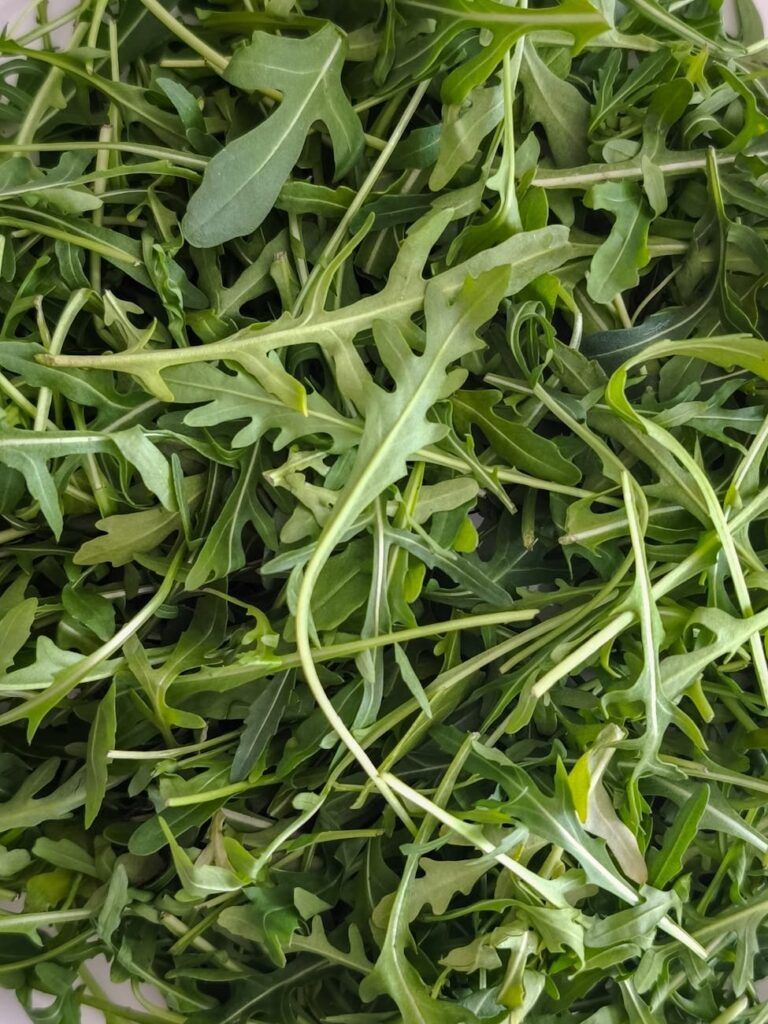
How Arugula Is Produced
Introduction
Arugula, known for its distinctive peppery flavor and vibrant green leaves, has gained significant popularity in culinary applications worldwide. As part of the Brassicaceae family, which includes other leafy greens like kale and cabbage, arugula stands out for its unique taste and versatility. This article delves into the production of arugula, exploring its history, cultivation methods, processing, quality standards, and various applications.
What Is Arugula?
Arugula (Eruca sativa) is a leafy green vegetable commonly used in salads, sandwiches, and as a garnish. Also known as rocket, roquette, or rucola in different regions, arugula is characterized by its dark green, lobed leaves and a distinctively peppery flavor profile that can range from mild to intense, depending on growing conditions and maturity. The plant is used not only for its culinary applications but also for its nutritional benefits, as it is rich in vitamins A, C, and K, as well as essential minerals.
History and Origins
Arugula has a rich history that dates back to ancient civilizations. It is believed to have originated in the Mediterranean region, with references found in Roman texts as early as the 1st century AD. Ancient Romans used arugula not just as a food source but also for its supposed aphrodisiac properties. Over the centuries, arugula spread throughout Europe, becoming a staple in Italian cuisine during the Renaissance.
By the 20th century, arugula began to gain traction in the United States, particularly in the culinary scene, where it was embraced by chefs and home cooks alike for its unique flavor and ability to elevate dishes. Today, arugula is cultivated globally, with significant production in North America, Europe, and parts of Asia.
Production and Processing
Cultivation
Arugula thrives in temperate climates and is typically grown as a cool-season crop. The ideal growing conditions include well-drained, fertile soil with a pH level between 6.0 and 7.0. The plant prefers full sun but can tolerate partial shade, particularly in warmer climates.
Sowing and Growth
Arugula can be grown from seeds, which are usually sown directly into the soil. Seedlings emerge within 5 to 10 days, depending on soil temperature and moisture. The plant reaches maturity in approximately 40 to 60 days, making it a relatively quick crop for farmers.
Farmers often employ succession planting techniques, where seeds are sown at intervals to ensure a continuous harvest throughout the growing season. This method allows for a steady supply of fresh arugula, catering to both local markets and culinary demands.
Pest and Disease Management
As with any crop, arugula is susceptible to various pests and diseases, including aphids, caterpillars, and fungal infections. Integrated pest management (IPM) strategies are commonly used to minimize pesticide use while maintaining crop health. Techniques such as crop rotation, intercropping, and the use of beneficial insects help control pest populations and reduce disease incidence.
Harvesting
Harvesting arugula is typically done by hand, especially in small-scale farms or organic operations. Farmers may harvest individual leaves or cut the entire plant just above the soil level. Timing is crucial; harvesting at the right stage ensures optimal flavor and tenderness. For commercial growers, mechanized harvesting methods are sometimes employed, particularly in larger operations.
Post-Harvest Processing
After harvesting, arugula is quickly transported to processing facilities where it is washed, sorted, and packaged for distribution. Maintaining the quality of the leaves during post-harvest processing is essential to ensure freshness. The leaves are typically packaged in breathable containers to allow for air circulation, which helps prevent wilting.
Quality and Grading
Quality assessment of arugula involves several factors, including leaf color, size, and texture. High-quality arugula should have vibrant green leaves that are free from blemishes, yellowing, or wilting. Grading standards may vary by region and market, but generally, arugula is categorized into different grades based on these attributes.
In commercial settings, arugula is often graded into categories such as “Fancy,” “Choice,” and “Standard.” Fancy-grade arugula exhibits the highest quality, while standard-grade may have slight imperfections. Farmers and distributors must adhere to local regulations and market preferences when grading and marketing their produce.
Buying Considerations
When purchasing arugula, consumers should consider several factors to ensure they choose the freshest and highest-quality product.
Freshness
Look for bright green leaves that are crisp and firm. Avoid arugula with yellowing or wilting leaves, as these indicate age or poor handling. Fresh arugula should also have a mildly pungent aroma, which intensifies with age.
Organic vs. Conventional
Consumers may also consider whether to buy organic or conventionally grown arugula. Organic arugula is cultivated without synthetic pesticides or fertilizers, which may appeal to health-conscious consumers. However, conventional arugula may offer a more economical choice while still being safe for consumption.
Local Sourcing
Whenever possible, opting for locally-sourced arugula can enhance flavor and freshness, as it is typically harvested closer to the time of purchase. Farmers’ markets and local grocery stores often carry arugula from nearby farms, providing an opportunity to support local agriculture.
Uses and Applications
Arugula is a versatile ingredient that can enhance a wide variety of dishes. Its peppery flavor makes it an excellent addition to salads, where it can be paired with fruits, nuts, and cheese. Arugula also shines in sandwiches, wraps, and as a topping for pizzas.
Beyond raw applications, arugula can be incorporated into cooked dishes, such as pasta, soups, and stir-fr