
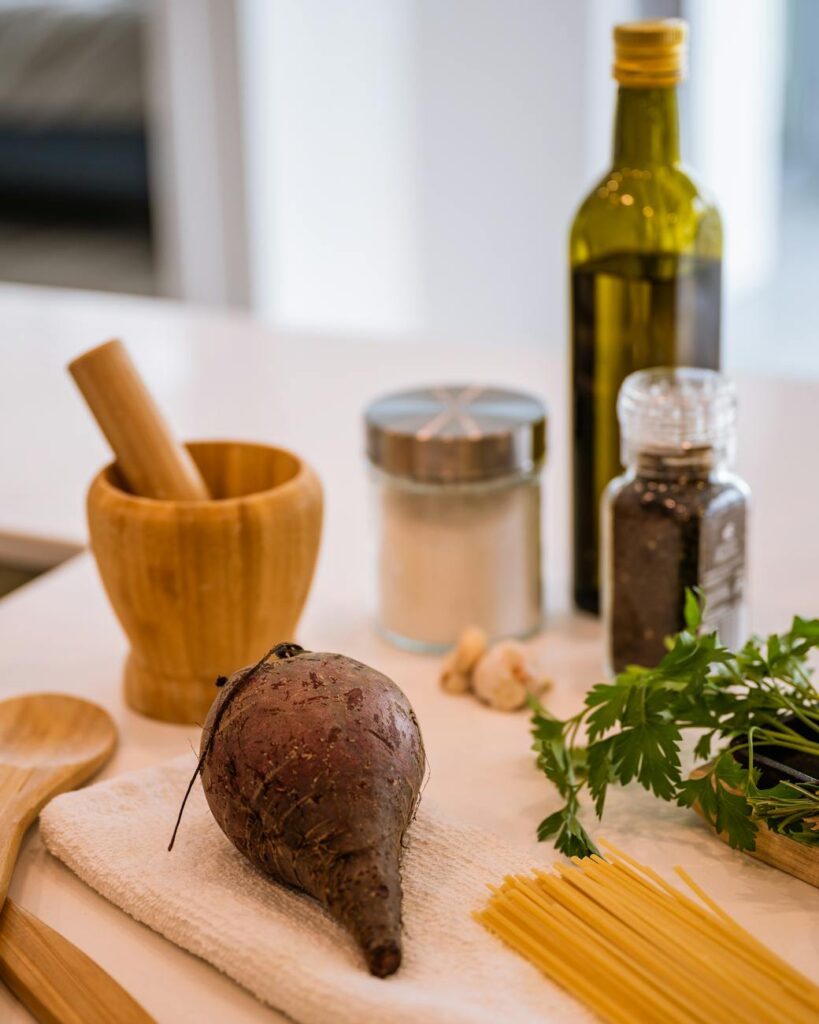
How Beetroot Is Farmed Commercially
Introduction
Beetroot, often simply referred to as beets, is a vibrant root vegetable known for its deep purple hue and earthy flavor. It has gained popularity not only for its culinary versatility but also for its nutritional value. As a crop, beetroot is cultivated in various climates around the world, making it a significant agricultural product. This article delves into the comprehensive process of commercial beetroot farming, from its historical roots to its modern-day applications.
What Is Growing?
Growing refers to the agricultural process of cultivating plants, which includes the stages of planting, nurturing, harvesting, and processing. In the context of beetroot, it encompasses the selection of appropriate varieties, soil preparation, planting techniques, pest management, and harvesting practices. Successful growing relies on a combination of factors, including climate, soil conditions, and agricultural expertise, which are critical for achieving optimal yields and quality.
History and Origins
The beetroot plant, scientifically known as Beta vulgaris, has a rich history that dates back thousands of years. Originally, wild beets were cultivated for their leaves rather than their roots. It wasn’t until the Romans began to domesticate the plant that the root became a staple food source. Beetroots were primarily grown in Mediterranean regions, where the climate suited their growth requirements.
By the Middle Ages, beetroot had spread throughout Europe. Its cultivation was further popularized in the 19th century, particularly in Eastern Europe, where it became a fundamental ingredient in various traditional dishes. Today, beetroot is cultivated in many countries, including the United States, Russia, and France, each adapting its farming techniques to local conditions.
Production and Processing
Land Preparation
The cultivation of beetroot begins with land preparation, which involves selecting well-drained, fertile soil rich in organic matter. Ideally, beetroot prefers a pH level between 6.0 and 7.0. Farmers often incorporate organic fertilizers or compost to enhance soil fertility before planting.
Seed Selection and Sowing
Beetroot is typically grown from seeds that are sown directly into the soil. Commercial growers often choose hybrid varieties that are more resistant to diseases and pests and tend to produce higher yields. The seeds are usually sown in rows, with a spacing of about 12 to 18 inches apart, allowing sufficient room for the roots to develop.
Irrigation and Fertilization
Proper irrigation is crucial for growing healthy beetroot. This vegetable requires consistent moisture, especially during the germination and early growth stages. Irrigation methods vary, with drip irrigation being favored in many commercial operations for its water efficiency.
Fertilization practices involve applying nitrogen, phosphorus, and potassium in balanced ratios. Many growers also monitor soil nutrient levels regularly to tailor their fertilization strategies to specific crop needs.
Pest and Disease Management
Beetroot is susceptible to various pests and diseases, including aphids, beet leaf miners, and fungal infections. Integrated Pest Management (IPM) practices are often employed, combining biological control methods, chemical treatments, and cultural practices to minimize damage while maintaining environmental sustainability.
Harvesting Techniques
Harvesting beetroot typically occurs when the roots reach a desirable size, generally between 1.5 to 3 inches in diameter. In commercial settings, mechanical harvesters are commonly used to efficiently lift the roots from the soil. Manual harvesting may still be practiced in smaller operations or for specialty markets.
Processing
Post-harvest, beetroot undergoes cleaning and sorting processes. They are washed to remove soil and debris, and then sorted based on size and quality. Depending on market demands, beetroots can be sold fresh, pickled, or processed into products like juices and powders.
Quality and Grading
The quality of beetroot is assessed based on several criteria, including size, color, firmness, and absence of blemishes or rot. Commercial grading standards often classify beetroots into different categories, with higher grades commanding better prices in the market. Quality control measures are essential throughout the production and processing stages to ensure that only the best products reach consumers.
Buying Considerations
When purchasing beetroot, whether for commercial or personal use, several factors should be considered:
1. Seasonality: Beetroot is typically harvested in late summer to early fall. Fresh beets are often sweeter and more flavorful during this period.
2. Appearance: Look for firm, unblemished roots with a rich, vibrant color. Smaller beetroots tend to be more tender and flavorful.
3. Organic vs. Conventional: Organic beetroots are grown without synthetic pesticides or fertilizers. Consumers may prefer organic options for health or environmental reasons.
4. Storage Conditions: Ensure that beetroots are stored in a cool, dry place to maximize their shelf life.
Uses and Applications
Beetroot is a versatile ingredient utilized in various culinary applications. It can be roasted, boiled, or juiced, and is often used in salads, soups, and side dishes. Beyond the kitchen, beetroot has found its way into the health and wellness industry, where it is used in supplements and health drinks due to its high antioxidant content.
The industrial applications of beetroot include its use as a natural dye and flavoring agent in food products. Its vivid color makes it an attractive choice for enhancing the visual appeal of various dishes.
Storage and Shelf Life
When stored properly, fresh beetroot can last several weeks. Ideally, they should be kept in a cool, dark place, such as a refrigerator, where they can remain fresh for up to three weeks. Removing the greens before storage is advisable, as they can draw moisture from the roots. For longer preservation, beetroot can be pickled or frozen, extending its shelf life significantly.
Common Misconceptions
1. Beetroot is only a seasonal vegetable. While peak season is during late summer and fall, beetroots can be grown in various climates and are available year-round.
2. All beetroot is the same. There are numerous varieties of beetroot, each with unique flavors, colors, and textures, ranging from golden to striped varieties, each suited for different culinary uses.
3. Beetroots are all sweet. While many beetroot varieties have a natural sweetness, some can be earthier or slightly bitter, depending on growing conditions and soil composition.
Frequently Asked Questions
1. What are the ideal growing conditions for beetroot?
Beetroot thrives in well-drained, fertile soil with a pH between 6.0 and 7.0. It requires consistent moisture and benefits from full sun exposure.
2. How long does it take for beetroot to grow?
Typically, beetroot takes about 50 to 70 days from sowing to harvest, depending on the variety and environmental conditions.
3. Can beetroot be grown in containers?
Yes, beetroot can be successfully grown in containers, provided they are deep enough to accommodate the root development, with a minimum depth of at least 12 inches.
4. What pests commonly affect beetroot?
Common pests include aphids, beet leaf miners, and root maggots. Integrated pest management practices can help control these pests effectively.
5. Is beetroot a good crop for rotation?
Yes, beetroot is an excellent candidate for crop rotation as it can help improve soil health and reduce pest and disease buildup.
6. Can I eat beetroot greens?
Yes, beetroot greens are edible and nutritious, often used in salads or cooked dishes. They have a slightly bitter flavor but can be delicious when prepared correctly.
Conclusion
The commercial farming of beetroot is a multifaceted process that requires careful planning, execution, and management. From its rich historical background to its diverse applications in modern cuisine and industry, beetroot continues to be a valuable crop. Understanding the intricacies of its cultivation and processing can further enhance appreciation for this vibrant vegetable, making it a staple in kitchens and markets worldwide.