
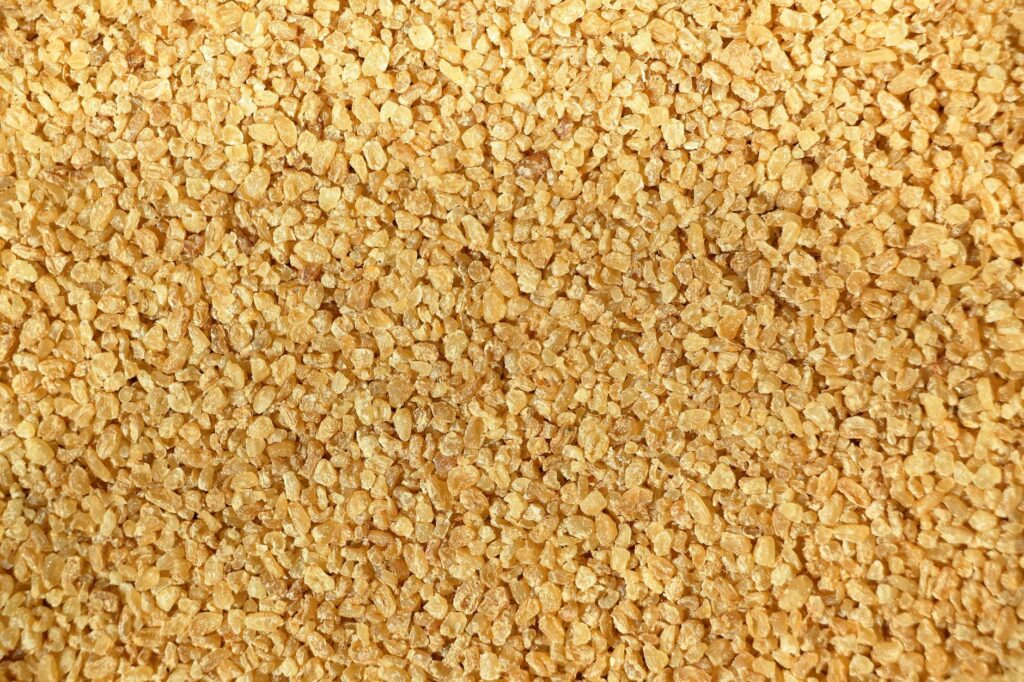
How Bulgur Is Produced
Introduction
Bulgur is a versatile whole grain that has gained popularity across various cuisines, celebrated for its nutty flavor, chewy texture, and nutritional benefits. Often found in Middle Eastern, Mediterranean, and even some South Asian dishes, bulgur serves as a base for salads, side dishes, and main courses. Understanding how bulgur is produced not only enhances appreciation for this ingredient but also informs culinary practices and promotes better usage in cooking.
What Is Bulgur?
Bulgur is a cracked whole grain made from durum wheat, specifically the groats of the wheat kernel. Unlike other grains, bulgur is partially precooked, which makes it quick to prepare. It is available in various sizes, from fine to coarse, each suitable for different culinary applications. Nutritionally, bulgur is a rich source of fiber, protein, vitamins, and minerals, making it a desirable choice for health-conscious consumers.
History and Origins
Bulgur has a storied history that traces back thousands of years, particularly in the regions of the Middle East and the Mediterranean. Archaeological evidence suggests that it was cultivated by ancient civilizations, including the Sumerians and the Babylonians. The word “bulgur” is derived from the Turkish language, which has been instrumental in its spread across the globe.
Historically, bulgur was a staple food among nomadic tribes who relied on its long shelf life and nutritional value. It has been integral to traditional dishes such as tabbouleh and kibbeh. Today, bulgur continues to be an essential component of various cuisines, reflecting a blend of cultural heritage and agricultural practices.
Production and Processing
The production of bulgur involves several meticulous steps to ensure quality and flavor:
Harvesting
The process begins with the harvesting of durum wheat when it is fully ripe. The wheat is cut and collected, often using modern agricultural machinery to streamline the process.
Cleaning
Once harvested, the wheat undergoes a thorough cleaning process to remove impurities, such as stones, dirt, and other foreign matter. This step is crucial to ensure the quality of the final product.
Parboiling
One of the distinctive features of bulgur is its parboiling process. The cleaned wheat is soaked in hot water and then steamed. This partial cooking not only enhances the grain’s flavor but also helps to gelatinize the starches, making it easier to cook and digest. Parboiling also contributes to bulgur’s long shelf life, as it inactivates enzymes that could lead to spoilage.
Drying
After parboiling, the wheat is spread out to dry. This step is critical, as it ensures that the moisture content is reduced to a level that prevents mold growth and maintains freshness. Typically, this is done in a controlled environment to achieve consistent drying.
Cracking
Once dried, the wheat is cracked into various sizes, depending on the intended use. The cracking process can be done mechanically, ensuring uniformity in size. The resulting bulgur is then sorted into different grades based on size: fine, medium, and coarse.
Packaging
Finally, bulgur is packaged for distribution. Proper packaging is essential to protect against moisture, light, and air, which can degrade the quality of the grain. Many manufacturers opt for airtight containers or vacuum sealing to maintain freshness.
Quality and Grading
The quality of bulgur is determined by several factors, including the quality of the wheat used, the processing methods, and the final grading. Bulgur is generally classified into three main grades:
1. Fine Bulgur: This is the smallest grain size, often used in salads and as a thickener for soups or stews. It cooks quickly and absorbs flavors well.
2. Medium Bulgur: Slightly larger than fine bulgur, it is versatile and commonly used in dishes like tabbouleh or pilafs.
3. Coarse Bulgur: The largest grain size, ideal for hearty dishes such as kibbeh or as a base for stews.
Quality indicators include color, texture, and aroma. High-quality bulgur should exhibit a uniform color and a pleasant, nutty fragrance, free from any off-odors.
Buying Considerations
When purchasing bulgur, several factors should be taken into account:
- Type: Depending on the intended use, choose the appropriate grade—fine, medium, or coarse.
- Packaging: Opt for products in airtight packaging to ensure freshness and prevent moisture absorption.
- Source: Look for bulgur that is sourced from reputable manufacturers. Organic options may be preferable for those looking to avoid pesticides.
- Expiration Date: Always check the expiration date to ensure that you are buying the freshest product possible.
- Certification: Some bulgur may carry certifications such as organic or non-GMO, which can be important for health-conscious consumers.
- Salads: Often used in tabbouleh, bulgur absorbs flavors well and provides a hearty base for vegetable salads.
- Side Dishes: It can be served as a side dish, much like rice or quinoa, often flavored with herbs and spices.
- Main Dishes: Bulgur can be incorporated into stews, casseroles, and stuffed vegetables, offering a nutritious alternative to meat.
- Baking: Ground into flour, bulgur can be used in baking, particularly in flatbreads and other baked goods.
- Breakfast: It can also be used as a base for warm breakfast dishes, similar to oatmeal or porridge.
Uses and Applications
Bulgur’s versatility makes it suitable for a wide range of culinary applications:
Storage and Shelf Life
Proper storage is essential to maintain the quality of bulgur. It should be kept in a cool, dry place, away from direct sunlight. Airtight containers are recommended to prevent moisture absorption and pest infestation