
How Capers Are Farmed Commercially
Introduction
Capers, the small flower buds of the Capparis spinosa plant, have been revered in culinary traditions around the globe for their unique flavor profile and versatility. This article delves into the farming of capers, exploring the processes involved from cultivation to processing, as well as considerations on quality and storage. Understanding the intricacies of caper farming not only illuminates their culinary significance but also highlights the agricultural practices that sustain this beloved ingredient.
What Is Growing?
Growing, in the context of capers, refers to the agricultural methods and practices involved in cultivating the caper plant, from planting the seeds or seedlings to harvesting the buds. The process includes preparation of the soil, selection of suitable climates, and management of the plants through their growing cycle. The caper plant thrives in arid, Mediterranean-like climates, which makes regions with hot, dry summers and mild, wet winters ideal for its cultivation.
History and Origins
The caper plant is native to the Mediterranean region and has been used since ancient times. Historical texts indicate that capers were enjoyed by the Greeks and Romans, who valued them for their flavor and supposed medicinal properties. The cultivation of capers spread throughout Europe and eventually to other parts of the world, including North Africa and Asia. Today, prominent producers of capers include countries like Italy, Spain, and Morocco, where the climatic conditions are most favorable for their growth.
Production and Processing
Cultivation
Capers are typically grown in well-drained, rocky soils, which mimic their natural habitat. The plant is drought-resistant and prefers full sun exposure. Farmers often plant caper seeds or seedlings in spring, allowing them to establish roots before the hot summer months.
Once planted, caper plants require minimal care. They are often grown in a bushy manner, allowing them to spread and flourish. Farmers may use trellises or natural barriers to support the plants, ensuring that they receive adequate sunlight and air circulation.
Harvesting
Harvesting capers is a delicate process. The flower buds must be picked by hand, usually in late spring to early summer when they are still closed and tender. Timing is crucial; if the buds are allowed to bloom, they will produce flowers and seeds, which is not desirable for commercial purposes. The buds are typically harvested in the morning when they are most firm and before the heat of the day diminishes their quality.
Once harvested, capers are quickly processed to maintain their freshness. This involves washing the buds and soaking them in brine or vinegar, which helps preserve their flavor and texture. The capers are then packed in jars or containers and sent to markets.
Quality and Grading
The quality of capers is determined by several factors, including size, color, and flavor. They are generally graded according to their size, with larger buds being more desirable and commanding higher prices. The most common grades include:
- Nonpareil: The smallest and most sought-after capers, known for their delicate flavor.
- Capucine: Slightly larger than nonpareil, these capers still offer a robust taste.
- Surfines: Larger in size, surfines are less common in culinary applications but still used in various dishes.
- Sauces: Capers are often used in sauces like tartar and puttanesca, where they add depth and complexity.
- Salads: Their unique taste complements salads, providing a burst of flavor.
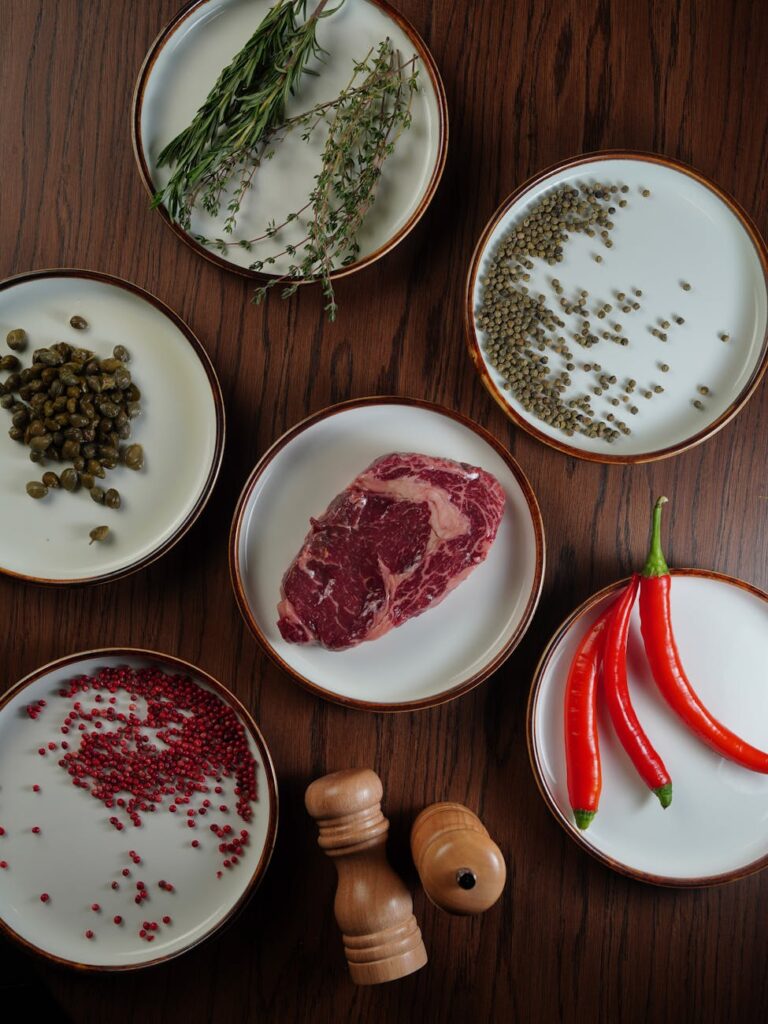
- Meat and Fish Dishes: Capers pair well with meats such as chicken, lamb, and fish, often being used in marinades or as a garnish.
- Pasta: They can elevate pasta dishes, contributing a salty note that balances other ingredients.
The grading process typically occurs during packaging, where size and appearance are assessed. Quality control measures are essential to ensure that only the best capers reach consumers.
Buying Considerations
When purchasing capers, there are several factors to consider:
1. Type: Choose between nonpareil, capucine, and surfines based on your culinary needs.
2. Packaging: Look for capers stored in glass jars rather than plastic, as glass preserves flavor and quality better.
3. Brine Quality: Check the ingredients of the brine; natural vinegar and salt are preferable over artificial preservatives.
4. Origin: Capers from established regions like Italy and Spain are often regarded as superior in flavor and quality.
Uses and Applications
Capers are a versatile ingredient with a wide range of culinary applications. Their tangy, salty flavor enhances various dishes, including:
In addition to these applications, capers are becoming popular in modern culinary practices, where chefs experiment with their flavors in innovative ways.
Storage and Shelf Life
Proper storage is crucial to maintaining the quality of capers. Unopened jars can be stored in a cool, dark place and typically have a shelf life of two to three years. Once opened, capers should be kept refrigerated and submerged in their brine to prevent spoilage, lasting up to six months when stored correctly.
If purchasing dried capers, they should be stored in an airtight container in a cool, dry place and can last for up to a year. However, dried capers are less common and typically require rehydration before use.
Common Misconceptions
One common misconception about capers is that they are a type of vegetable. In reality, capers are flower buds harvested from the Capparis spinosa plant. Another myth is that capers are always pickled; while they are often preserved in brine or vinegar, they can also be found in their dried form.
Additionally, some people believe that capers have a strong, overpowering flavor. However, when used appropriately, capers can enhance a dish’s flavor without