
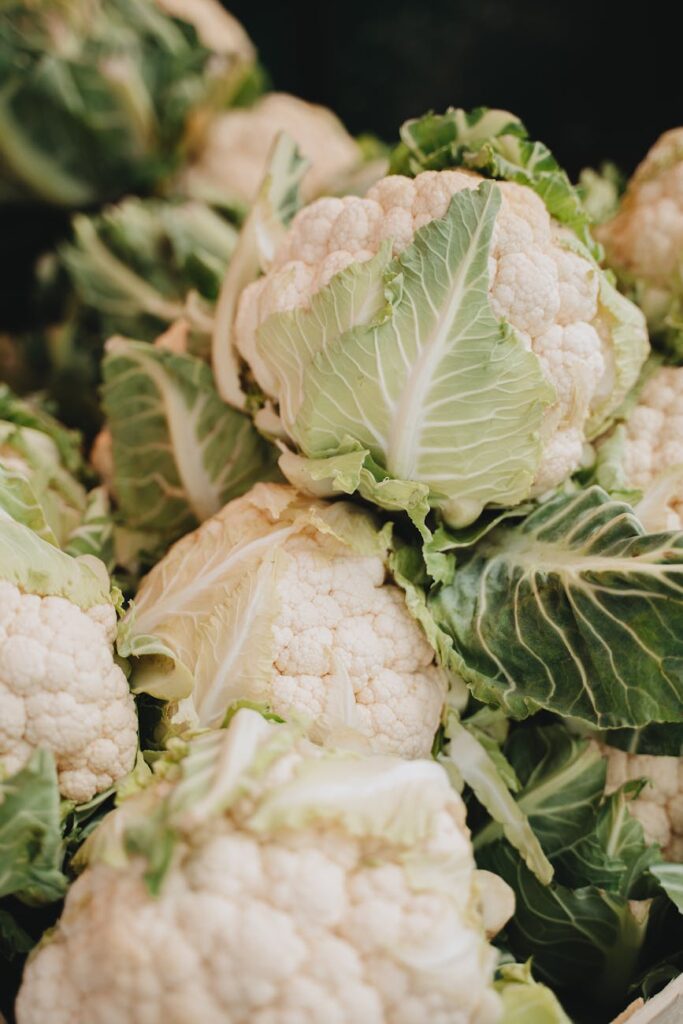
How Cauliflower Is Produced
Introduction
Cauliflower, a member of the Brassica oleracea species, has gained immense popularity in recent years for its versatility and nutritional value. Often used as a low-carb alternative to grains and legumes, this cruciferous vegetable is a staple in many diets worldwide. Understanding the production processes behind cauliflower can enhance our appreciation for this remarkable ingredient, as well as inform our choices as consumers.
What Is About?
Cauliflower is a biennial plant primarily grown as an annual vegetable. It is characterized by its compact, edible flower heads, known as florets, which cluster together, forming a distinct head that can range in color from white to purple, green, or orange. The plant requires specific growing conditions and meticulous care to ensure optimal quality and yield.
History and Origins
Cauliflower is believed to have originated in the Mediterranean region, particularly in the areas around Cyprus and Syria. Historical records suggest that it was cultivated as early as the 6th century BC. Over time, it spread across Europe, gaining prominence in France, Italy, and England. The vegetable was introduced to North America in the 18th century and has since become a popular crop in various climates.
The cultivation of cauliflower has evolved significantly through selective breeding. Early varieties were primarily white, but modern breeding techniques have created a diverse array of colors and flavors. Today, cauliflower is cultivated worldwide, with major producers including China, India, and the United States.
Production and Processing
Cultivation Practices
Cauliflower prefers cool weather, thriving in temperatures between 60°F and 70°F (15°C to 21°C). The growing season typically spans from spring to early summer, or late summer to fall, depending on the region.
Soil Requirements: Cauliflower flourishes in well-drained, fertile soil rich in organic matter. A pH level between 6.0 and 7.0 is ideal for optimal growth.
Planting: Seeds are sown in seedbeds or greenhouses, usually 6 to 8 weeks before the last frost date. Once seedlings are established, they are transplanted to the field, maintaining adequate spacing to allow for full head development.
Watering and Fertilization: Consistent moisture is crucial for cauliflower growth. Drip irrigation is often employed to ensure even watering. Fertilizers rich in nitrogen, phosphorus, and potassium are applied to promote healthy foliage and head development.
Pest and Disease Management: Common pests include aphids, cabbage worms, and flea beetles. Integrated pest management (IPM) strategies, including biological controls and organic pesticides, are often employed to mitigate infestations. Additionally, diseases such as downy mildew and black rot can affect yield, requiring careful monitoring and treatment.
Harvesting
Cauliflower heads are typically harvested when they reach a diameter of 6 to 8 inches (15 to 20 cm) and are firm to the touch. Harvesting involves cutting the head from the plant while ensuring that the leaves remain intact to protect the florets from sunlight, which can lead to discoloration. Timing is critical; harvesting too late may result in the florets separating and becoming unusable.
Post-Harvest Processing
Once harvested, cauliflower undergoes several processing steps:
1. Cleaning: The heads are thoroughly washed to remove soil and potential contaminants.
2. Trimming: Leaves and any damaged florets are removed to enhance visual appeal and prolong shelf life.
3. Packaging: Cauliflower is typically packaged in crates or boxes lined with breathable materials to facilitate air circulation.
4. Transport: Refrigerated trucks are used for transport to maintain freshness during distribution.
Quality and Grading
The grading of cauliflower is essential for marketability and consumer satisfaction. Quality is assessed based on several parameters:
- Appearance: The head should be firm, compact, and free from blemishes or discoloration. Color uniformity is also considered, with white cauliflower being the most sought after.
- Size: Standard sizes commonly range from 1 to 2 pounds (450 to 900 grams) per head, though variations exist based on market demands.
- Freshness: Cauliflower should have a crisp texture and a fresh aroma. Signs of wilting or yellowing indicate diminished quality.
- Seasonality: While cauliflower is available year-round, peak season typically occurs in the fall and spring. Buying during these times may yield fresher produce at a better price.
- Color: Look for heads that are vibrant and without blemishes. While white cauliflower is traditional, colorful varieties can add aesthetic appeal and nutritional diversity.
- Firmness: A good cauliflower should feel heavy for its size and have tightly packed florets. Avoid heads that are soft or have loose, discolored florets.
- Local vs. Imported: Local produce often offers superior freshness and flavor. Consider purchasing from farmers’ markets or local grocers when possible.
- Culinary Uses: Cauliflower can be roasted, steamed, boiled, or sautéed. It can be used as a substitute for rice or mashed potatoes, adding nutritional value while reducing carbohydrates.
- Culinary Innovation: Innovative chefs have utilized cauliflower in various forms, such as cauliflower steaks, cauliflower pizza crust, and even as a base for sauces and dips.
- Nutritional Applications: Due to its low caloric content and high fiber,
Regulatory bodies may establish specific grading standards, such as those set by the USDA in the United States, which categorize produce into grades such as U.S. No. 1, U.S. No. 2, etc.
Buying Considerations
When purchasing cauliflower, several factors should be taken into account:
Uses and Applications
Cauliflower’s versatility makes it suitable for a wide range of culinary applications: