
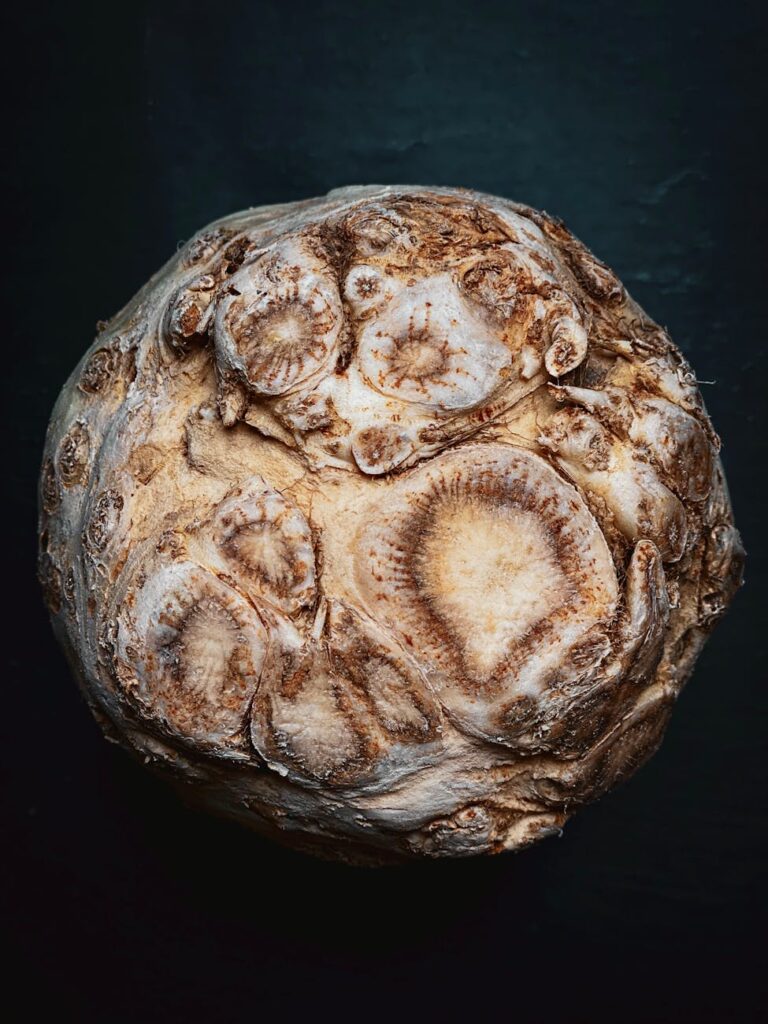
How Celeriac Is Farmed Commercially
Introduction
Celeriac, also known as celery root, is a unique and versatile root vegetable belonging to the Apiaceae family. Unlike its more common relative, the stalk celery, celeriac is cultivated primarily for its bulbous root, which boasts a distinct flavor profile and a multitude of culinary applications. This article delves into the commercial farming of celeriac, exploring its growth processes, history, production methods, quality grading, and more.
What Is Growing?
Growing refers to the agricultural practices involved in cultivating plants, from seed germination to harvest. In the context of celeriac farming, this encompasses soil preparation, planting, care, and harvesting of the celeriac plants. The process is characterized by specific requirements such as soil type, climate conditions, and pest management strategies to ensure optimal growth and yield.
Celeriac thrives in well-drained, fertile soil with a pH range of 6.0 to 7.0. Farmers often prepare the soil by incorporating organic matter and ensuring good drainage. The plants require a growing season of approximately 100 to 120 days, during which they need consistent moisture and protection from extreme weather conditions.
History and Origins
Celeriac has deep historical roots, with origins traceable to the Mediterranean region, where it was first cultivated by the Greeks and Romans. Initially valued for its leaves and seeds, the root was not widely consumed until the 17th century. It gained prominence across Europe, particularly in France and Italy, where it became a staple in rustic cuisine.
The cultivation of celeriac spread over time, and today it is grown in various parts of the world, including North America, Europe, and Asia. Its popularity has surged in recent years, fueled by the growing interest in root vegetables and their nutritional benefits.
Production and Processing
Cultivation Practices
Celeriac is typically grown as an annual crop, with farmers employing specific practices to optimize growth:
1. Seed Selection: High-quality seeds are selected for planting. Varieties such as ‘Monarch’ and ‘Giant Prague’ are popular for commercial production due to their robust growth and flavor.
2. Soil Preparation: Prior to planting, soil is tilled to a depth of at least 12 inches to ensure good aeration and drainage. Organic matter, such as compost or well-rotted manure, is incorporated to enhance soil fertility.
3. Planting: Seeds can be started indoors 8 to 10 weeks prior to the last frost date and then transplanted outside. Alternatively, direct seeding can occur in late spring. The spacing between plants should be approximately 12 to 18 inches to allow for bulb development.
4. Watering: Celeriac requires consistent moisture, particularly during the initial growth stages. Farmers often use drip irrigation systems to maintain soil moisture without saturating the plant’s root zone.
5. Weed and Pest Management: Effective weed control is crucial in the early stages of growth. Common methods include mulching and mechanical weeding. Farmers also monitor for pests such as aphids and root maggots, employing integrated pest management strategies as needed.
Harvesting
Harvesting celeriac is generally conducted in late summer to early fall, depending on local climate conditions. The roots are carefully dug out of the soil to avoid damage. After harvesting, the roots are trimmed to remove excess foliage and dirt, preparing them for storage or sale.
Quality and Grading
Quality assessment of celeriac roots is based on several criteria, including size, shape, texture, and absence of blemishes or defects. Commercial celeriac is typically graded into categories such as:
- Grade A: Large, uniform roots with smooth skin and no visible defects.
- Grade B: Slightly smaller or irregular-shaped roots that may have minor blemishes.
- Processing Grade: Roots that do not meet the standards for fresh market but are suitable for processing into products such as soups or purees.
- Soups and Stews: Celeriac adds depth and earthiness to soups and stews, enhancing the overall flavor profile.
- Purees: Mashed celeriac serves as a delightful alternative to mashed potatoes, often used in gourmet dishes.
- Salads: Raw celeriac can be julienned or grated to provide crunch and flavor in salads.
- Roasted Dishes: Roasting celeriac caramelizes its natural sugars, creating a rich and savory side dish.
- Garnishes: Celeriac can be pickled or used as a garnish due to its attractive appearance and distinctive taste.
Grading is essential for ensuring that consumers receive high-quality products and for maintaining market standards.
Buying Considerations
When purchasing celeriac, several factors should be considered:
1. Freshness: Look for firm roots with smooth skin and minimal blemishes. The color should be pale beige to light brown, indicating ripeness.
2. Size: While larger roots may be desirable, uniformity in size is often more critical for culinary applications.
3. Origin: Knowing the source of the celeriac can provide insight into its quality. Locally sourced produce may be fresher and more flavorful.
4. Seasonality: Celeriac is typically in season from fall to early spring. Purchasing during this period may yield the best quality.
5. Storage Conditions: Ensure that the celeriac has been stored properly, as improper handling can lead to spoilage.
Uses and Applications
Celeriac’s unique flavor and texture make it a valuable ingredient in various culinary applications:
Its versatility makes it a favorite among chefs and home cooks alike, allowing for an array of creative preparations.
Storage and Shelf Life
Celeriac is known for