
How Celeriac Is Produced
Introduction
Celeriac, also known as celery root, is a unique and versatile root vegetable that has gained popularity for its distinctive flavor and culinary applications. Unlike its more widely recognized cousin, the stalk celery, celeriac boasts a knobby, bulbous appearance and a rich, earthy taste. This article explores the production of celeriac, delving into its history, cultivation methods, processing, and more, providing a comprehensive understanding of this intriguing ingredient.
What Is Celeriac?
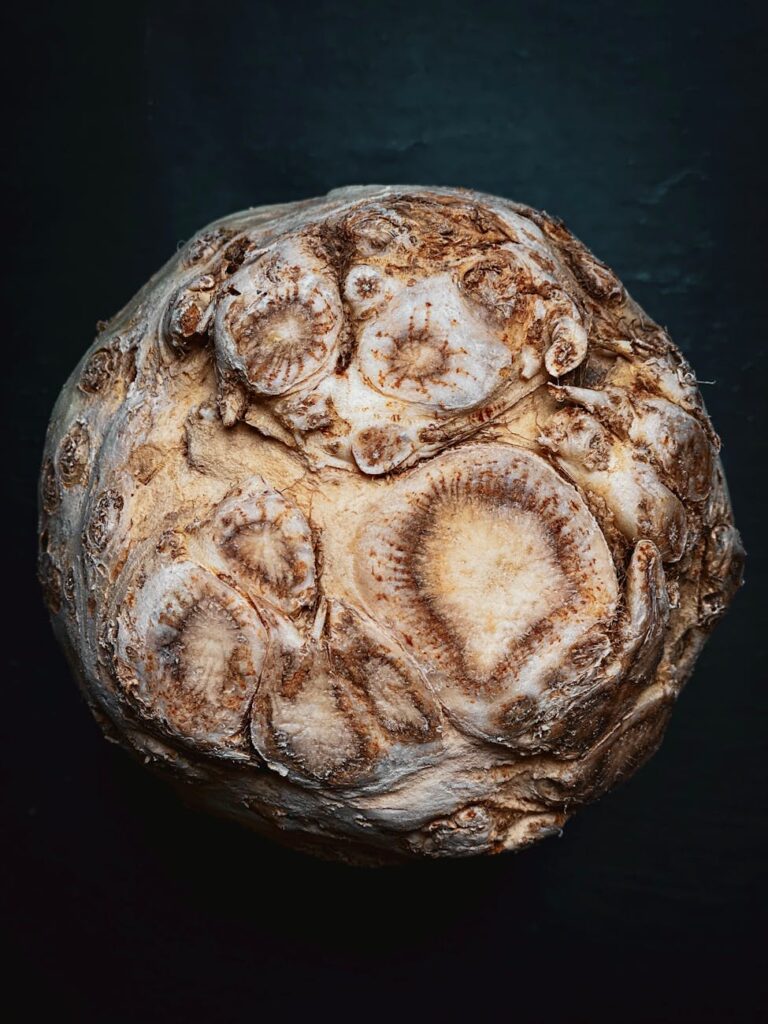
Celeriac (Apium graveolens var. rapaceum) is a variety of celery cultivated primarily for its edible root. This biennial plant belongs to the Apiaceae family, which includes carrots, parsley, and fennel. The celeriac root is characterized by its rough, brownish skin and creamy-white flesh, contributing a subtle taste reminiscent of celery with nutty undertones. Unlike its leaf or stalk counterparts, celeriac is cultivated specifically for its enlarged tuber, making it a unique addition to various culinary applications.
History and Origins
Celeriac has a rich history that traces back to the Mediterranean region, where wild celery has been used since ancient times. Historical records indicate that celeriac was cultivated in Europe as early as the 17th century. Initially prized for its medicinal properties, it gradually gained culinary acceptance. By the 19th century, celeriac had become a staple in European cooking, especially in French cuisine, where it was often featured in soups and salads.
The cultivation of celeriac spread throughout Europe, and by the late 20th century, it found its way to North America, where it has been embraced for its unique flavor and textural properties. Today, celeriac is grown in various regions worldwide, with major producers including France, Germany, and the United States.
Production and Processing
Cultivation
Celeriac is typically grown as an annual crop, requiring a temperate climate with well-drained, fertile soil. The cultivation process begins with seed selection, as high-quality seeds are essential for robust growth. The seeds are often started indoors about 10-12 weeks before the last frost date, as celeriac has a long growing season that can extend from 120 to 150 days.
Once seedlings reach about 4-6 inches in height, they are transplanted outdoors, ensuring adequate spacing to allow for the development of the large root. Celeriac thrives in full sun and benefits from consistent moisture. Farmers often employ drip irrigation to maintain soil moisture levels and reduce the risk of rot.
Harvesting
Harvesting celeriac is a labor-intensive process that typically occurs in late fall when the roots have reached their optimal size, usually between 4-6 inches in diameter. Farmers carefully uproot the roots using specialized tools to minimize damage, as the celeriac is delicate and can bruise easily. After harvesting, the roots are cleaned to remove soil and debris, and any damaged portions are trimmed away.
Processing
After harvesting, celeriac may undergo several processing steps depending on its intended use. For fresh market sales, the roots are often packed in crates or bins for distribution. If destined for processing, such as freezing or canning, celeriac may be blanched to preserve its flavor and texture before being packaged. This blanching process involves briefly boiling the roots, followed by rapid cooling to halt cooking.
Quality and Grading
Quality and grading standards for celeriac are crucial for ensuring that consumers receive a product that meets their expectations. Celeriac should be firm, heavy for its size, and free from blemishes or soft spots. The skin should be intact and show no signs of decay. Grading systems often categorize celeriac based on size, shape, and overall appearance.
In many regions, celeriac is graded into different categories, such as fancy, number one, and number two. “Fancy” celeriac is the highest quality, showcasing uniformity in size and shape, while lower grades may exhibit imperfections. Producers and distributors typically adhere to regional grading standards to ensure consistency and quality in the market.
Buying Considerations
When purchasing celeriac, there are several factors to consider to ensure the best quality product. Fresh celeriac should feel heavy for its size and have a firm texture. Look for roots that are free from blemishes, soft spots, and signs of sprouting. The skin should be intact, as any cuts or abrasions can lead to spoilage.
Celeriac is typically available in the fall and winter months, making it a seasonal ingredient. Consider buying from local farmers’ markets or reputable grocery stores to support sustainable practices and obtain the freshest produce. Additionally, organic options are often available, allowing consumers to choose products grown without synthetic pesticides or fertilizers.
Uses and Applications
Celeriac is highly versatile, finding its way into a variety of culinary applications. Its unique flavor profile makes it suitable for soups, stews, gratins, and salads. Celeriac can be roasted, mashed, or pureed, providing a creamy texture and distinct taste that complements other ingredients. In addition to its use in savory dishes, celeriac can be shredded and added to coleslaws or salads for a crunchy, refreshing element.
Beyond its culinary uses, celeriac has gained attention in the world of gastronomy. Chefs often utilize the root for its ability to pair well with other flavors, including herbs, spices, and proteins. Its adaptability allows for creative presentations, making it a favorite among culinary professionals seeking to elevate their dishes.
Storage and Shelf Life
Proper storage of celeriac is essential to maintain its quality and prolong shelf life. Celeriac should be stored in a cool, dark place, ideally in a refrigerator crisper drawer, where it can last for several weeks. It is best to