
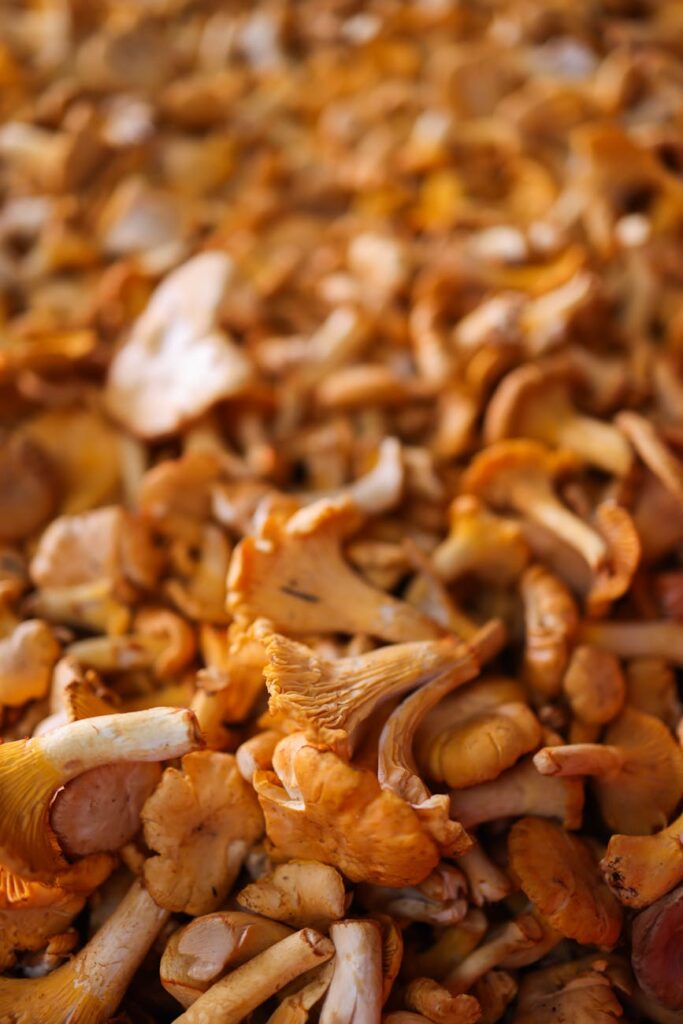
How Chanterelle Mushrooms Are Produced
Introduction
Chanterelle mushrooms, renowned for their delicate flavor and vibrant golden hue, have captivated the palates of chefs and food enthusiasts worldwide. These fungi, belonging to the Cantharellaceae family, are not only a delight in culinary dishes but also an essential part of many ecosystems. Understanding the production and processing of chanterelle mushrooms provides insight into their culinary value and environmental significance.
What Is About?
Chanterelle mushrooms are characterized by their trumpet-like shape, smooth, wavy caps, and deeply ridged undersides. They typically grow in forested areas, forming symbiotic relationships with trees, particularly oaks, pines, and birches. These mushrooms are highly sought after for their unique flavor, which is often described as fruity or peppery, making them a prized ingredient in various cuisines.
History and Origins
The history of chanterelle mushrooms dates back centuries, with references found in ancient texts and folklore. Native to Europe, Asia, and North America, these mushrooms have been foraged since antiquity. In Europe, their culinary value was recognized as early as the Middle Ages, where they were appreciated for their flavor and rarity. In North America, indigenous peoples utilized chanterelles for both culinary and medicinal purposes, further embedding these mushrooms into the cultural fabric of the regions where they thrive.
Modern foraging practices began to gain popularity in the 20th century, leading to increased interest in wild mushrooms, including chanterelles. As the culinary world expanded, so did the demand for these exquisite mushrooms, leading to their cultivation and commercialization.
Production and Processing
Foraging
Chanterelle mushrooms are primarily foraged rather than cultivated. They thrive in the wild, usually in temperate forests, during specific seasons. The ideal conditions for their growth include moist, well-drained soil, a symbiotic relationship with specific tree species, and moderate temperatures. Foragers typically harvest chanterelles in late spring through early autumn, depending on the region.
Foraging involves knowledge of the environment and the ability to identify chanterelles accurately. Experienced foragers often use baskets to collect mushrooms to avoid bruising and to allow spores to disperse, ensuring future growth. Ethical foraging practices emphasize sustainability, encouraging foragers to leave some mushrooms behind for reproduction.
Cultivation
While wild foraging remains the primary method of obtaining chanterelles, attempts at cultivating these mushrooms have been ongoing. Cultivation poses challenges due to their mycorrhizal nature, as they form complex relationships with tree roots that are difficult to replicate in controlled environments. Recent advancements in mycology have led to improved techniques in inoculating tree seedlings with chanterelle spores, allowing for potential commercial cultivation.
However, the majority of chanterelles available in markets are still foraged, which preserves their wild characteristics and flavor.
Processing
After harvesting, chanterelles undergo minimal processing to preserve their quality. They are usually brushed clean to remove dirt and debris rather than washed, as excess moisture can compromise their texture. Depending on market demand, chanterelles may be sold fresh, dried, or canned. Dried chanterelles can retain their flavor and are often rehydrated for use in various dishes.
Quality and Grading
The quality of chanterelle mushrooms can vary based on factors such as size, color, and freshness. When grading, several criteria are considered:
1. Size: Larger chanterelles are often preferred for culinary use, as they tend to have a more robust flavor and appealing presentation.
2. Color: Vibrant golden-yellow to orange hues indicate freshness. Dull or faded colors may suggest age or diminished quality.
3. Texture: Fresh chanterelles are firm and have a slightly spongy texture. Any signs of sliminess or excessive softness can indicate spoilage.
4. Aroma: A rich, earthy aroma is characteristic of fresh chanterelles. Off-putting odors may signal decay.
Producers often package chanterelles in breathable containers, such as paper bags, to maintain freshness during transport. Proper grading ensures that consumers receive high-quality products.
Buying Considerations
When purchasing chanterelle mushrooms, several factors can influence your choice:
1. Source: If possible, buy from reputable foragers or suppliers who prioritize sustainable harvesting practices. This supports ethical foraging and ensures fresher products.
2. Seasonality: Chanterelles are seasonal, with peak availability during late summer to early autumn. Purchasing them during peak times often guarantees better quality and flavor.
3. Form: Decide whether to buy fresh, dried, or canned chanterelles based on your culinary needs. Fresh mushrooms are often preferred for immediate use, while dried varieties can be stored longer.
4. Storage Conditions: Assess how the mushrooms have been stored before purchasing. Fresh chanterelles should be kept cool and dry to maintain their quality.
5. Visual Inspection: Examine the mushrooms for any signs of damage, discoloration, or sliminess, which can indicate age or spoilage.
Uses and Applications
Chanterelle mushrooms are versatile ingredients used in a variety of culinary applications. Their unique flavor profile complements a range of dishes, including:
- Soups and Stews: Chanterelles add depth to broths, enhancing the overall flavor of soups and stews.
- Sautéing and Stir-frying: Quick cooking methods allow their delicate flavor to shine, often paired with herbs and other vegetables.
- Pasta Dishes: Chanterelles can elevate pasta dishes, providing a gourmet touch that enhances the meal.
- Risottos: Their earthy flavors harmonize beautifully with creamy risottos, creating a luxurious dining experience.
- Garnishes: Fresh, sautéed chanterelles can serve as an elegant garnish for meat