
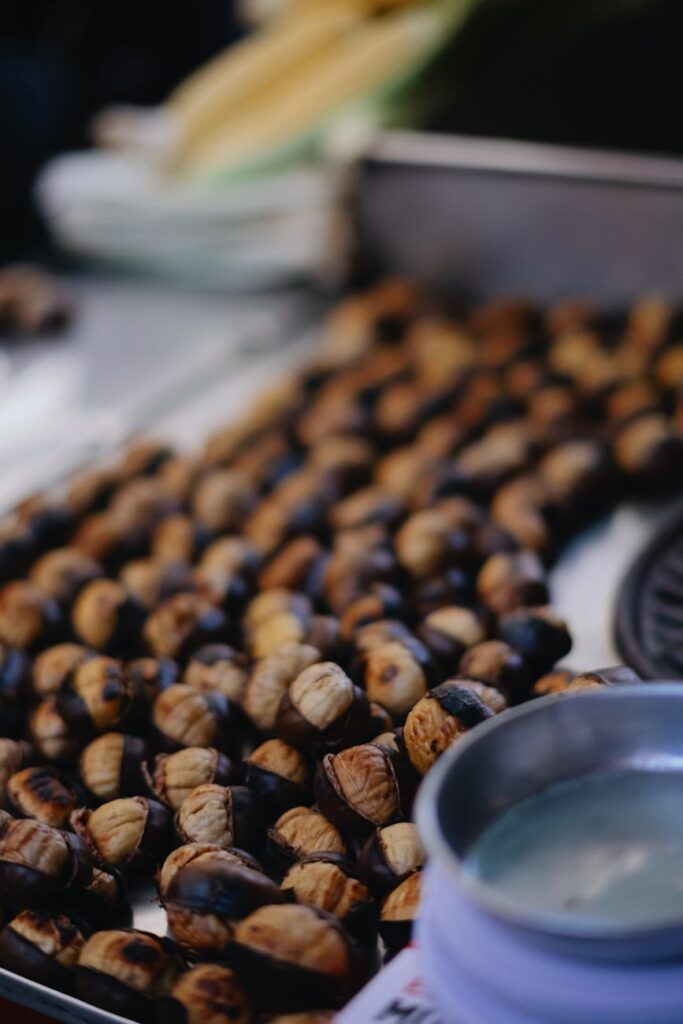
How Chestnuts Are Produced
Introduction
Chestnuts are a unique and versatile nut that have been a part of culinary traditions across the globe for centuries. Unlike many other nuts, which are high in fats, chestnuts are low in calories and rich in carbohydrates, making them a popular choice in various dishes. This article explores the production of chestnuts from their cultivation to their processing, while shedding light on their rich history, quality grading, and various applications in the culinary world.
What Is About?
Chestnuts belong to the genus Castanea, which includes several species, the most notable being the European chestnut (Castanea sativa), the American chestnut (Castanea dentata), and the Chinese chestnut (Castanea mollissima). Unlike other nuts, chestnuts have a soft, starchy texture, and they are often roasted or boiled before consumption. They are characterized by a shiny, brown exterior and a creamy interior, making them a beloved ingredient in many cuisines.
History and Origins
The history of chestnuts dates back thousands of years. They were first cultivated in the Mediterranean region, where they were a staple food for ancient civilizations. The Greeks and Romans valued chestnuts not only for their nutritional properties but also for their ability to thrive in poor soil conditions and mountainous terrains.
In the 19th century, American chestnuts were a vital food source in the eastern United States until a devastating blight decimated the population. The fungal disease, known as chestnut blight, led to the near extinction of the American chestnut tree. However, efforts to restore the species continue, alongside the cultivation of other varieties that are less susceptible to disease.
Today, chestnuts are grown in various parts of the world, including Europe, Asia, and North America, where they contribute to both local and global economies.
Production and Processing
Cultivation
The production of chestnuts begins with careful cultivation. Chestnut trees thrive in well-drained soil, ideally with a pH between 5.5 and 6.5. They require a temperate climate with distinct seasons; warm summers aid in fruit development, while cold winters help in the dormancy process.
Planting and Maintenance
Chestnut trees are typically planted in the spring, either as seeds or grafted seedlings. Spacing between trees is crucial; they should be planted at least 15 to 30 feet apart to allow for adequate growth and air circulation. Regular maintenance practices include pest management, irrigation, and pruning.
Harvesting
Harvesting usually occurs in the autumn, when the nuts fall naturally from the trees. This process can be labor-intensive, as fallen chestnuts must be collected quickly to prevent spoilage. Growers often use specialized equipment like vibratory shakers to facilitate the harvesting of nuts directly from the branches.
Processing
After harvesting, chestnuts undergo a series of processing steps. Initially, they are cleaned to remove debris and dirt. The next step is often curing, which involves drying the nuts to enhance their flavor and reduce moisture content. This is crucial, as excess moisture can lead to mold growth during storage.
Following curing, chestnuts may be roasted, frozen, or packaged for sale. Roasting is a popular method that enhances the sweetness and flavor of the nuts. Processed chestnuts are often sold in various forms, including whole, peeled, or even pureed for use in different culinary applications.
Quality and Grading
Quality assessment of chestnuts is essential for both producers and consumers. Factors such as size, appearance, and moisture content are critical in determining the grade of chestnuts.
Size and Appearance
Chestnuts are usually classified by size, and larger nuts are generally preferred as they command higher market prices. Aesthetic quality also matters; chestnuts should have a uniform color, with minimal blemishes or cracks on the shell.
Moisture Content
Moisture content is another critical factor in grading. Fresh chestnuts typically have a moisture content of around 45% to 50%. After processing, this should be reduced to about 12% to ensure longevity and prevent spoilage.
Graded chestnuts are often labeled as “extra,” “first,” or “second,” depending on their quality, with “extra” representing the highest standards.
Buying Considerations
When buying chestnuts, whether fresh or processed, there are several factors to consider.
Freshness
For fresh chestnuts, look for those with a hard shell and no signs of mold or damage. The nuts should feel heavy for their size, indicating a good moisture content. Avoid any that are shriveled or have soft spots.
Processing Methods
If purchasing processed chestnuts, be aware of the method used. Roasted chestnuts should have a pleasant aroma and a crunchy texture. Those sold in jars or cans should have a clear label indicating the absence of preservatives and additives.
Seasonality
Chestnuts are typically in season from late September to December, depending on the region. Buying during this time can ensure fresher products.
Uses and Applications
Chestnuts have diverse culinary applications. They can be roasted and consumed as snacks, ground into flour for baking, or used in stuffing, soups, and desserts. Chestnut flour is gluten-free and highly nutritious, making it a popular alternative for those with dietary restrictions.
In addition to their culinary uses, chestnuts are also utilized in various cultural traditions, often serving as symbols of harvest and abundance during festive seasons.
Storage and Shelf Life
Fresh Chestnuts
Fresh chestnuts can be stored in the refrigerator for up to two weeks. It is advisable to keep them in a perforated plastic bag to maintain humidity without trapping excess moisture.
Processed Chestnuts
Processed chestnuts, whether roasted or canned, have a longer shelf life. Roasted chestnuts should be consumed within a few days if kept at room temperature, but can last several weeks in the