
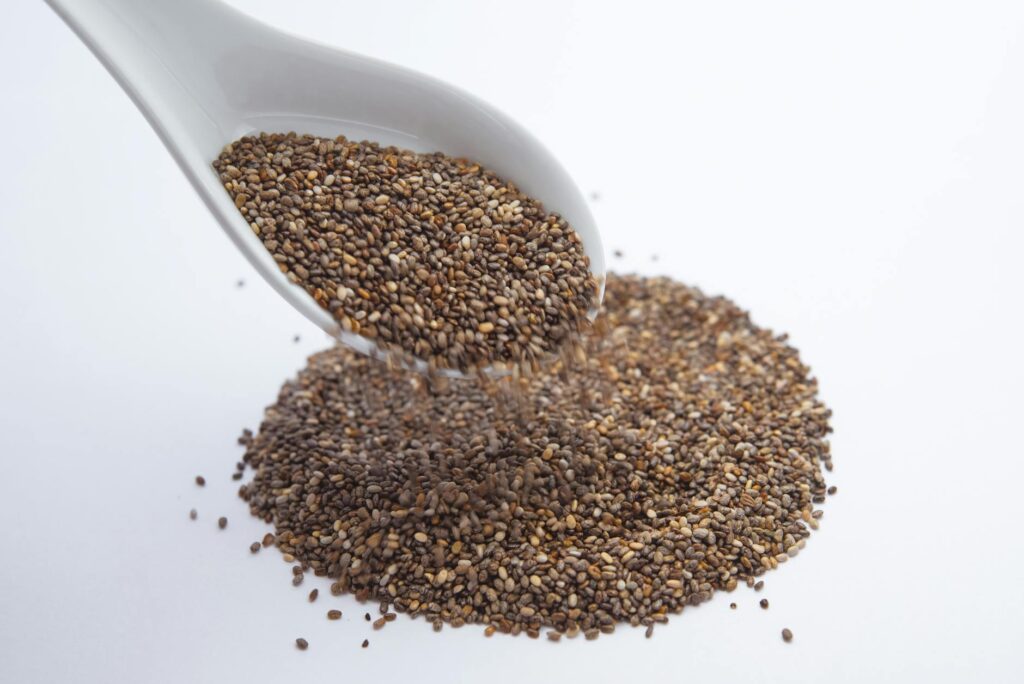
How Chia Seeds Are Produced
Introduction
Chia seeds, once a staple in ancient diets, have gained considerable attention in modern culinary practices due to their nutritional benefits and versatility. These tiny seeds, harvested from the Salvia hispanica plant, are not only rich in omega-3 fatty acids, fiber, and essential minerals, but they also serve a variety of applications in both food and health industries. This article aims to comprehensively explore how chia seeds are produced, detailing their history, production processes, quality standards, and more.
What Is About?
Chia seeds are small, oval-shaped seeds that come from the Salvia hispanica plant, which belongs to the mint family. They are typically black or white, measuring about 1-2 mm in diameter. When soaked in water, chia seeds can absorb up to 12 times their weight, forming a gel-like consistency that enhances their utility in various culinary applications. This unique property, along with their high nutritional profile, has made chia seeds a popular ingredient in health foods, smoothies, and baked goods.
History and Origins
The use of chia seeds dates back to ancient civilizations in Central and South America, where they were cultivated by the Aztecs and Mayans as a source of sustenance. The word “chia” is derived from the Nahuatl word for strength, reflecting its importance as a nutritional powerhouse. Historically, chia seeds were consumed in various forms, including ground into flour or mixed with water to create a nutritious drink.
Following the Spanish conquest, the cultivation of chia seeds declined, overshadowed by more commercially viable crops. However, in recent decades, there has been a resurgence in interest, particularly due to the growing health food movement.
Production and Processing
Cultivation
Chia seeds are primarily grown in warm, temperate environments with well-drained soil. The major producers include countries like Mexico, Argentina, and Australia. The cultivation process begins with the planting of chia seeds in well-prepared soil, usually during spring or early summer. Chia plants thrive in full sunlight and require moderate rainfall, making them well-suited to regions with a specific climate profile.
Harvesting
Once the chia plants reach maturity, which generally takes about 120 days, they are ready for harvest. The plants are typically harvested using specialized machinery that cuts the stalks and collects the seeds. This process must be timed carefully, as the seeds can easily fall from the plant if left too long after they have matured.
Processing
After harvesting, chia seeds undergo several processing steps to ensure their quality and safety:
1. Cleaning: The harvested seeds are cleaned to remove any debris, plant material, or other contaminants.
2. Drying: To prolong shelf life and prevent mold growth, seeds are dried to a specific moisture content. This step is crucial as high moisture levels can lead to spoilage.
3. Packaging: Once cleaned and dried, chia seeds are packaged in moisture-proof bags or containers to maintain freshness. They are often vacuum-sealed or stored in dark containers to protect them from light and air exposure.
Quality and Grading
The quality of chia seeds can vary significantly based on several factors, including the source of cultivation, processing methods, and storage conditions. Quality grading typically falls into categories such as:
- Food Grade: These seeds meet strict regulations for human consumption. They are high in nutritional value and free from contaminants.
- Feed Grade: While still usable, these seeds may not meet the stringent criteria for human consumption and are often used in animal feed.
- Baking: Chia seeds can be used in bread, muffins, and energy bars, adding texture and nutritional value.
- Smoothies: Their ability to absorb liquid makes them a popular addition to smoothies, providing thickness and a nutrient boost.
- Salads and Dressings: Chia seeds can be sprinkled over salads or blended into dressings for added crunch and health benefits.
- Thickening Agent: When soaked, chia seeds create a gel-like substance, making them useful as a thickening agent in soups and sauces.
- Puddings and Desserts: Chia seeds are often used to create puddings, where they can absorb flavors and create a delightful texture.
Factors Affecting Quality
1. Origin: Seeds grown in optimal conditions generally produce higher-quality chia.
2. Color: While both black and white chia seeds are nutritionally similar, black seeds are often regarded as higher quality.
3. Moisture Content: Lower moisture content is preferable, as it minimizes the risk of spoilage.
4. Certifications: Organic certifications can also influence quality perceptions, as they indicate adherence to specific agricultural practices.
Buying Considerations
When purchasing chia seeds, consumers should consider several factors to ensure they select high-quality products:
1. Source: Look for chia seeds sourced from reputable farms known for quality cultivation practices.
2. Packaging: Opt for seeds packaged in airtight, opaque containers to ensure freshness.
3. Certifications: Organic or non-GMO certifications can be indicators of quality and ethical farming practices.
4. Appearance: High-quality chia seeds should be uniform in size and color, free from debris or impurities.
5. Price: While price can be indicative of quality, extremely low prices may raise questions about the source and processing methods.
Uses and Applications
Chia seeds are incredibly versatile and can be incorporated into various culinary applications:
Storage and Shelf Life
To maintain the freshness and nutritional profile of chia seeds, proper storage is essential. When stored in a cool, dark place in an airtight container, chia seeds can last up to two years. Refrigeration can extend their shelf life even further, particularly in warmer climates where heat can accelerate spoilage.
It is