
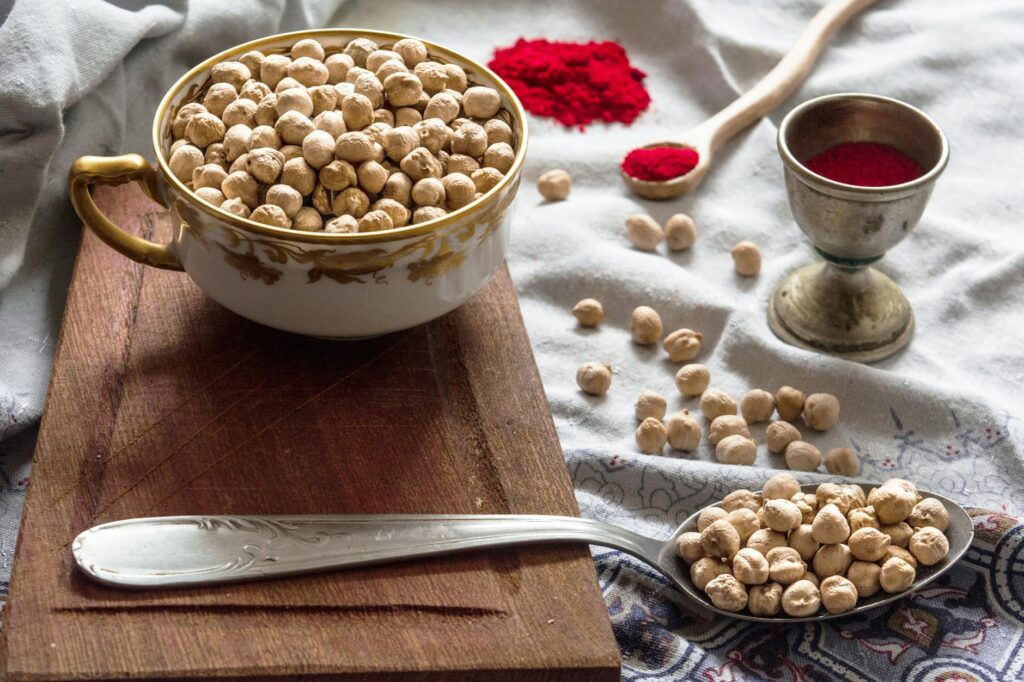
How Chickpea Flour Is Farmed Commercially
Introduction
Chickpea flour, also known as gram flour or besan, has gained significant popularity in culinary practices around the globe, particularly in Indian, Middle Eastern, and Mediterranean cuisines. This gluten-free flour is derived from ground chickpeas, and its high protein and fiber content make it a preferred choice among health-conscious consumers. Understanding how chickpea flour is farmed commercially sheds light on not just its nutritional value but also its journey from farm to table.
What Is Growing?
Growing, in the context of chickpea flour production, refers to the agricultural processes involved in cultivating chickpeas—the primary ingredient for chickpea flour. This encompasses a variety of practices, including land preparation, sowing, irrigation, pest management, harvesting, and post-harvest processing. Each step is crucial for ensuring a high-quality yield of chickpeas, which directly impacts the quality of the flour produced.
History and Origins
Chickpeas (Cicer arietinum) are believed to have been cultivated over 7,000 years ago in the Middle East, particularly in regions that now comprise modern-day Turkey and Syria. Historical texts indicate that chickpeas were a staple food in ancient civilizations due to their high nutritional value and versatility. The use of chickpea flour has roots in various culinary traditions, prominently in India, where it is used for a variety of dishes such as pakoras and dhoklas. Over the years, as globalization has increased, chickpea flour has found its way into various cuisines around the world, with its commercial farming practices adapting to meet rising demand.
Production and Processing
Cultivation Practices
Chickpeas are typically grown in well-drained, sandy loam soils with a pH range of 6.0 to 7.5. They thrive in semi-arid climates and require about 300-600 mm of rainfall annually. The cultivation process usually involves the following steps:
1. Land Preparation: Farmers begin by plowing the soil to a fine tilth, incorporating organic matter to enhance soil fertility.
2. Sowing: The best time for sowing chickpeas is during the cooler months, usually between October and December in the Northern Hemisphere. Seeds are sown at a depth of 5-7 cm, with a spacing of about 30 cm between rows.
3. Irrigation: While chickpeas are drought-resistant, irrigation may be necessary during dry spells to ensure optimal growth. Drip irrigation is often preferred for its efficiency.
4. Pest and Disease Management: Integrated pest management practices are employed to mitigate threats from insects and diseases. Common pests include aphids, thrips, and nematodes. Organic and chemical treatments are used judiciously.
Harvesting
Chickpeas are typically ready for harvest about 90-100 days after sowing, when the pods turn brown and dry. Harvesting is often done by hand in smaller farms, while larger operations may use mechanical harvesters. The pods are collected, and the chickpeas are then separated from the pods through threshing.
Processing into Flour
Once harvested, chickpeas undergo several processing steps before being converted into flour:
1. Cleaning: The harvested chickpeas are cleaned to remove debris, stones, and damaged seeds.
2. Drying: Proper drying is essential to reduce moisture content and prevent spoilage. Chickpeas are dried to around 10% moisture before milling.
3. Milling: The dried chickpeas are ground into a fine powder using stone or steel mills. The milling process may vary based on the desired texture of the flour.
4. Packaging: The flour is then packaged in airtight containers to ensure freshness and prevent contamination.
Quality and Grading
The quality of chickpea flour is determined by several factors, including the variety of chickpea used, the milling process, and the storage conditions. Commercially, chickpea flour is graded based on:
- Color: A light yellow to golden hue is preferred, indicating good quality.
- Texture: Fine flour is typically sought after for culinary uses.
- Odor: Fresh flour should have a neutral smell, free from rancid or off odors.
- Source: Opt for flour from reputable suppliers who adhere to good agricultural practices.
- Freshness: Check packaging dates and choose flour with the longest shelf life.
- Texture: Depending on your intended use, choose between finely ground or coarser flour.
- Organic Certification: If preferred, look for organic chickpea flour, which is produced without synthetic pesticides or fertilizers.
- Culinary Uses: It is extensively used in making pancakes, fritters, and batters. In Asian cuisines, it serves as a thickener in curries and soups.
- Gluten-Free Baking: Chickpea flour is a popular alternative in gluten-free baking, providing structure and moisture to baked goods.
- Nutritional Supplements: Due to its high protein content, chickpea flour is often included in health foods and dietary supplements.
- Animal Feed: In some regions, it is also used as a protein-rich ingredient in animal feeds.
Quality control measures are essential during both the farming and processing stages to ensure that the final product meets industry standards.
Buying Considerations
When purchasing chickpea flour, consumers should consider:
Uses and Applications
Chickpea flour is highly versatile and finds applications in various culinary and non-culinary fields:
Storage and Shelf Life
Chickpea flour should be stored in a cool, dry place, away from direct sunlight. Properly sealed in an airtight container, it can last for up to six months at room temperature. For extended shelf life, refrigeration or freezing is recommended, which can preserve its quality for up to a year. Always check for signs of spoilage, such as an off smell or discoloration, before use.