
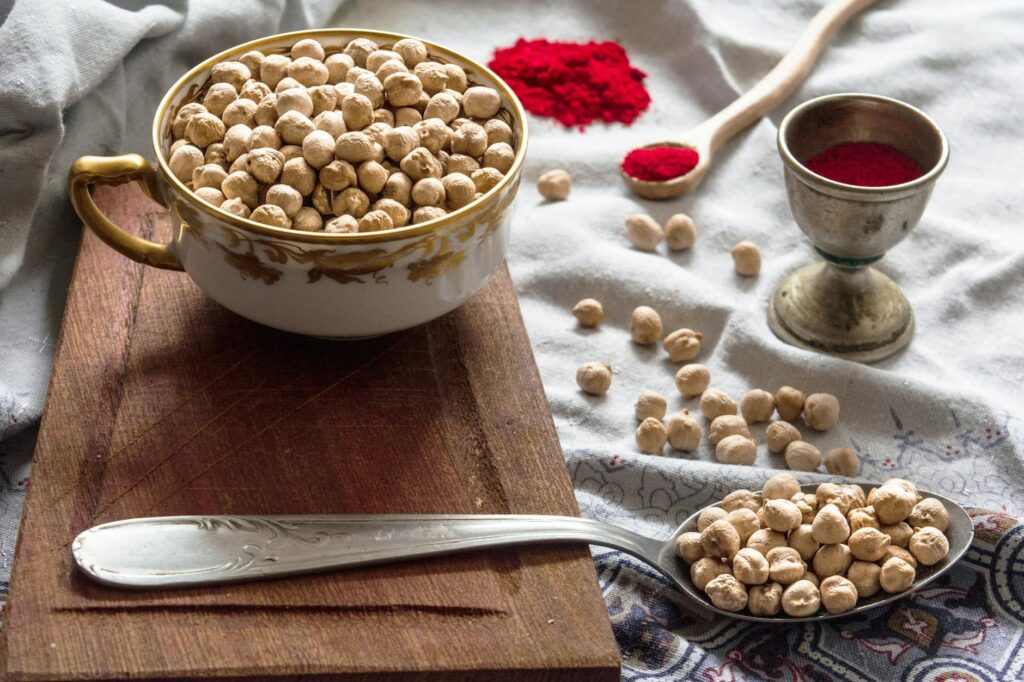
How Chickpea Flour Is Produced
Introduction
Chickpea flour, known as gram flour or besan in various regions, has gained significance in global cuisines for its versatile applications and nutritional benefits. This article delves into the intricate processes involved in producing chickpea flour, tracing its historical roots, examining quality standards, and addressing common misconceptions.
What Is Chickpea Flour?
Chickpea flour is a fine powder made from ground chickpeas (Cicer arietinum), a legume that has been cultivated for thousands of years. It is extensively used in South Asian, Middle Eastern, and Mediterranean cuisines. The flour is gluten-free and rich in protein, fiber, and essential minerals, making it a popular alternative to wheat flour for those with gluten sensitivities or looking for plant-based protein sources.
History and Origins
The chickpea has a storied history, believed to have originated in the Middle East around 7500 years ago. Archaeological evidence suggests that chickpeas were cultivated in ancient Mesopotamia, and they have since spread to various parts of the world, including India, where they have become a staple ingredient.
The use of chickpea flour can be traced back to ancient civilizations, particularly in regions where chickpeas thrived. In the Indian subcontinent, chickpea flour is a fundamental component of various traditional dishes, while in Mediterranean countries, it serves as a base for dishes like socca and panisse. This historical significance underscores the flour’s adaptability and enduring appeal across cultures.
Production and Processing
The production of chickpea flour involves several key steps, from the selection of raw chickpeas to the grinding process that yields the final product.
Selection of Raw Chickpeas
Quality chickpea flour starts with the selection of high-grade chickpeas. The most commonly used varieties for flour production include desi and kabuli chickpeas. Desi chickpeas are smaller, darker, and have a rough coat, while kabuli chickpeas are larger and lighter in color. The choice of variety affects the flour’s flavor, color, and texture.
Cleaning and Sorting
Once harvested, the chickpeas undergo a thorough cleaning process to remove impurities, such as dirt, stones, and other foreign materials. This is typically achieved using air blowers, screens, and gravity separators. Sorting is crucial; any damaged or discolored chickpeas are removed to ensure a high-quality end product.
Soaking (Optional)
In some production methods, chickpeas may be soaked to improve their texture and enhance the flour’s nutritional profile. Soaking can help reduce anti-nutritional factors like phytic acid, which inhibits mineral absorption.
Drying
After cleaning, the chickpeas may need to be dried to reduce their moisture content. Excess moisture can lead to spoilage during storage and affect the flour’s quality. The optimal moisture content for chickpeas is typically around 10-12%. Drying can be done naturally under sunlight or using industrial drying machines.
Grinding
The dried chickpeas are then ground into flour using various milling techniques. Traditional stone grinding, known as “chakki,” produces a coarser texture, while modern roller mills yield a finer, more uniform flour. The grinding process not only transforms the chickpeas into flour but also impacts the flavor and nutritional value. During milling, it is essential to monitor temperature to prevent overheating, which can degrade the quality of the flour.
Sifting
After grinding, the flour is sifted to remove larger particles and ensure a consistent texture. This process may involve multiple passes through different mesh sizes, depending on the desired fineness of the flour. The sifted flour may also undergo additional quality checks to confirm its purity and suitability for various culinary applications.
Packaging
Finally, the chickpea flour is packaged for distribution. Packaging materials must be moisture-proof and airtight to maintain freshness and prevent contamination. Proper labeling, including nutritional information and best-by dates, is essential for consumer awareness.
Quality and Grading
Chickpea flour quality is determined by several factors, including color, texture, flavor, and aroma. Grading standards vary by region, but generally, higher-grade flour is characterized by:
- Color: A uniform, pale yellow hue indicates freshness and quality.
- Texture: Fine, powdery consistency without clumps or coarse particles.
- Flavor: A mild, nutty flavor is preferred, while off-flavors may indicate spoilage or poor processing.
- Moisture Content: Ideally between 8-10% to prevent spoilage.
Regulatory bodies in various countries may have specific grading systems to ensure that chickpea flour meets safety and quality standards.
Buying Considerations
When purchasing chickpea flour, several factors should be taken into account to ensure quality and suitability for your needs:
Type of Chickpeas
As mentioned, the type of chickpeas used influences the flour’s characteristics. Kabuli chickpeas yield a lighter, milder flour, while desi chickpeas produce a darker, more robust flavor. Consider your intended use when selecting a type.
Packaging
Choose flour that is well-packaged to ensure freshness. Look for airtight, moisture-proof packaging with a clear expiration date.
Organic Certification
If you prefer organic products, check for certification labels that indicate the flour is made from organically grown chickpeas. Organic chickpea flour is often free from synthetic pesticides and fertilizers.
Source and Brand Reputation
Research brands and suppliers to find those with a reputation for quality and ethical sourcing practices. Trusted sources often provide detailed information about their production processes and quality control measures.
Uses and Applications
Chickpea flour is incredibly versatile and can be used in a variety of culinary applications across different cuisines:
Culinary Uses
1. Thickening Agent: It is commonly used to thicken soups, stews, and sauces due to its high protein content.
2. Baking: Chickpea flour can be used