
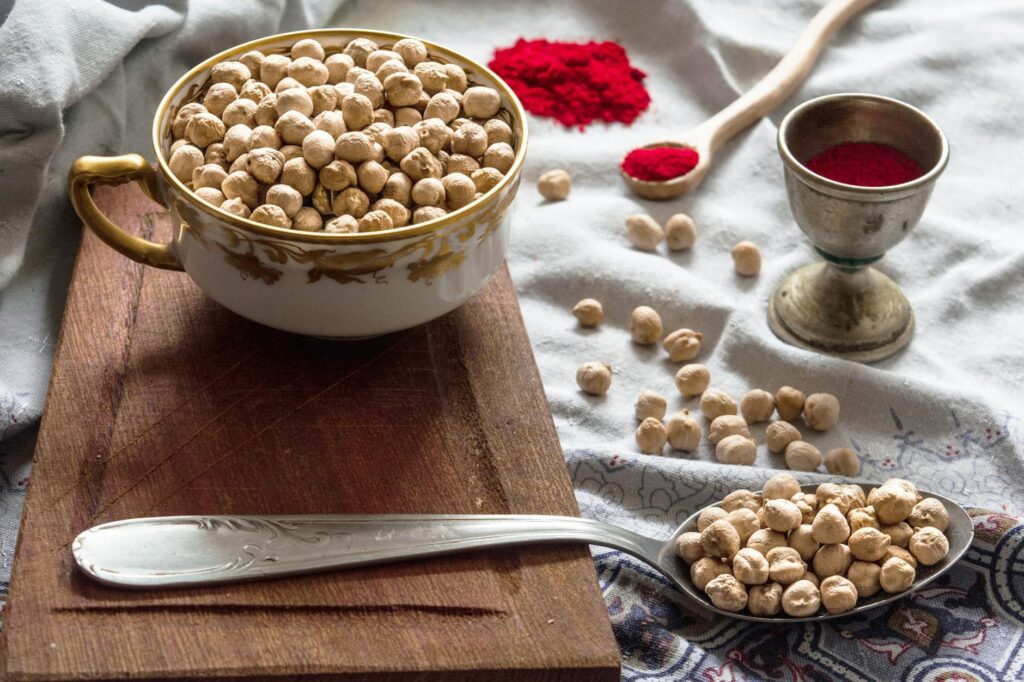
How Chickpeas Are Produced
Introduction
Chickpeas, also known as garbanzo beans, are a staple legume that has garnered global recognition for their versatility and nutritional benefits. This article delves into the production of chickpeas, exploring their history, cultivation practices, processing methods, quality standards, and more. As an essential ingredient in various culinary traditions, understanding chickpeas’ journey from farm to table is crucial for consumers, chefs, and food enthusiasts alike.
What Are Chickpeas?
Chickpeas belong to the legume family and are classified scientifically as Cicer arietinum. They are characterized by their round shape, firm texture, and nutty flavor. Available in several varieties, the most common are the beige-colored “desi” and the larger, cream-colored “kabuli.” Chickpeas are rich in protein, fiber, and essential vitamins and minerals, making them a valuable addition to a balanced diet. They are often used in dishes like hummus, falafel, and salads, contributing both taste and nutritional value.
History and Origins
The history of chickpeas is rich and intricate, tracing back thousands of years. Archaeological evidence suggests that chickpeas were first cultivated in the Middle East around 7500 BCE. They were a fundamental food source for ancient civilizations such as the Egyptians and Romans, who valued them for their high protein content.
Over the centuries, chickpeas spread to diverse regions, including South Asia, North Africa, and the Mediterranean. Today, they are cultivated in over 50 countries, with significant production in India, Turkey, and the United States. The legume’s adaptability to various climates and soils has contributed to its global popularity.
Production and Processing
Cultivation
Chickpeas thrive in climates with moderate rainfall and well-drained soil. They are typically sown in the spring and harvested in late summer or early fall. The cultivation process begins with soil preparation, where farmers plow and amend the soil to optimize nutrient availability.
1. Sowing: Seeds are planted at a depth of 1 to 2 inches, with spacing that allows for adequate airflow and sunlight. Farmers often use a seed drill for precision planting.
2. Irrigation: While chickpeas are drought-tolerant, irrigation may be employed in regions with insufficient rainfall. However, excessive watering can lead to root rot and other issues.
3. Pest and Weed Management: Integrated pest management (IPM) strategies are commonly used to control pests while minimizing chemical inputs. Weeding is also crucial during the early growth stages to reduce competition for nutrients.
Harvesting
Chickpeas are ready for harvest when the leaves turn yellow and the pods become dry. Farmers usually employ mechanical harvesters, which efficiently gather the beans while minimizing damage. Post-harvest, chickpeas are cleaned to remove debris, stones, and plant material.
Processing
Once harvested, chickpeas undergo several processing steps before reaching consumers:
1. Drying: To enhance shelf life and prevent spoilage, harvested chickpeas are dried to a moisture content of about 12–14%.
2. Sorting and Grading: Chickpeas are sorted based on size and color. Quality grading is often performed to categorize them into different grades, which can affect market price.
3. Packaging: Processed chickpeas are packaged in airtight containers to preserve freshness. Bulk packaging is common for commercial distribution, while retail packaging may include smaller quantities.
Quality and Grading
Quality assessment is crucial in the chickpea production process. Various factors influence the grading of chickpeas:
1. Size and Uniformity: Larger, uniform-sized chickpeas are typically graded higher due to their appeal and ease of cooking.
2. Color: The color should be consistent, with minimal blemishes or discoloration. A bright hue is often associated with freshness.
3. Moisture Content: Excess moisture can lead to spoilage, so maintaining an appropriate moisture level is essential.
4. Foreign Materials: The presence of stones, dirt, or damaged beans can result in lower grades.
Regulatory bodies and agricultural organizations often set standards for grading, which can vary by region.
Buying Considerations
When purchasing chickpeas, whether dried or canned, several factors should be taken into account:
1. Source: Opt for reputable brands or local farmers’ markets to ensure quality and sustainability. Organic chickpeas may also be available, which are grown without synthetic pesticides or fertilizers.
2. Packaging: For dried chickpeas, check for airtight packaging that protects against moisture. For canned chickpeas, ensure the can is intact and free from dents or rust.
3. Variety: Be aware of the different types of chickpeas and their applications. Kabuli chickpeas are often preferred for salads and hummus, while desi chickpeas are commonly used in Indian cuisine.
4. Expiration Date: Always check the expiration date on packaged chickpeas to ensure freshness.
Uses and Applications
Chickpeas are incredibly versatile and can be used in a variety of culinary applications:
1. Culinary Uses: Chickpeas are the main ingredient in dishes like hummus and falafel. They can also be roasted for snacks or added to salads, soups, and stews.
2. Flour Production: Chickpea flour, also known as besan, is a popular gluten-free alternative used in baking and cooking.
3. Plant-Based Protein: With the rise of plant-based diets, chickpeas have become a staple protein source, often featured in vegetarian and vegan dishes.
4. Animal Feed: In some agricultural practices, chickpeas are used as feed for livestock, providing a nutritious alternative to traditional grains.
Storage and Shelf Life
Proper storage is essential to maintain the quality and freshness of chickpeas:
1. Dried Chickpeas: Store them in a cool, dry place in an airtight container.