
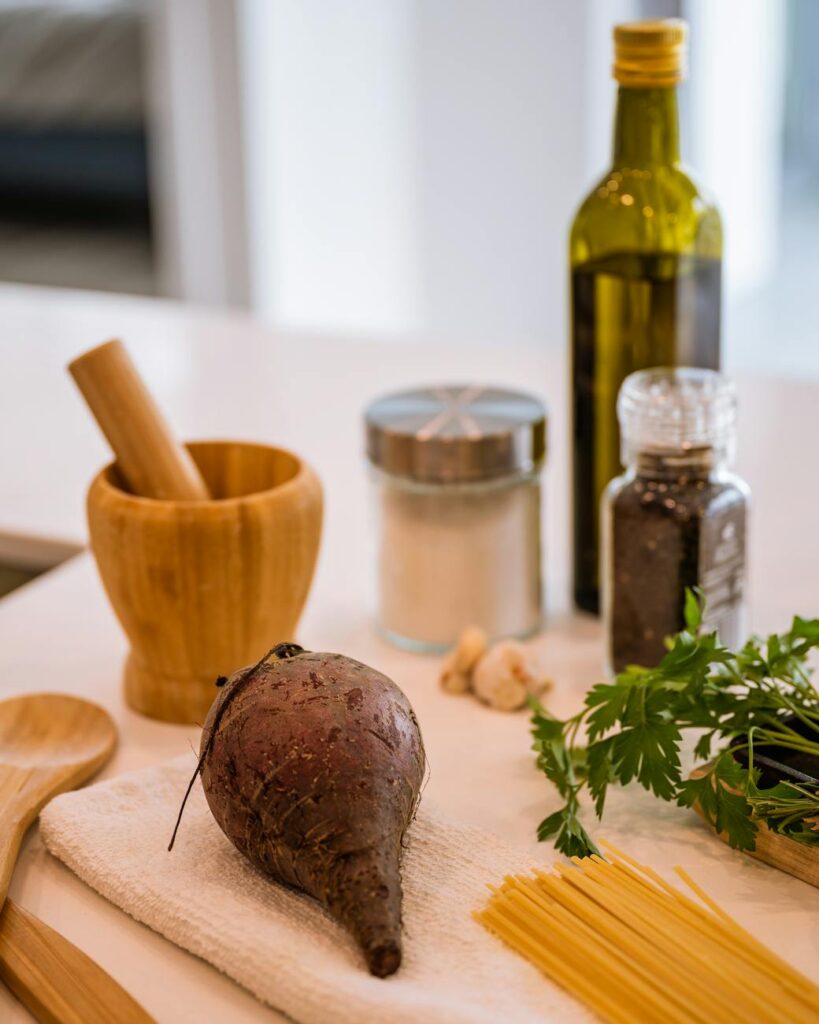
How Climate Affects Beetroot Quality
Introduction
Beetroot, known for its vibrant color and earthy flavor, is a versatile root vegetable that has gained popularity in cuisines worldwide. Beyond its culinary applications, the quality of beetroot is heavily influenced by the climate in which it is grown. Understanding how various climatic conditions affect beetroot can help farmers optimize production and consumers select the best produce. This article delves into the relationship between climate and beetroot quality, exploring regions, history, production methods, and more.
What Is Regions?
In agricultural terms, “regions” refer to specific geographic areas characterized by distinctive climatic conditions, soil types, and farming practices. For beetroot, these regions can vastly differ; from the temperate zones of Europe to the warmer climates of the Mediterranean or even the cooler regions of North America. Each region provides unique growing conditions that can significantly influence the quality of the beetroot produced.
History and Origins
Beetroot (Beta vulgaris) has a rich history that dates back to ancient civilizations, particularly in the Mediterranean region. Originally cultivated for its leaves, the root became recognized for its nutritional value and culinary versatility over time. The spread of beetroot cultivation can be traced to Europe in the Middle Ages, where it became a staple in various cuisines.
As beetroot migrated to different regions, it adapted to various climates, which in turn shaped its flavor, texture, and nutritional profile. Today, it is cultivated in diverse climates worldwide, each contributing to the unique characteristics of the vegetable.
Production and Processing
Beetroot thrives in a variety of climates, but certain conditions yield superior quality. The optimal temperature range for growing beetroot is between 10°C and 25°C (50°F to 77°F). In regions with cooler temperatures, such as northern Europe, beetroot tends to develop a sweeter flavor due to slower growth rates, which allows sugars to concentrate in the root.
On the other hand, in hotter climates, rapid growth can lead to a more fibrous texture and less desirable flavor. Soil conditions, including pH and nutrient content, also play a significant role in quality. Well-drained, loamy soils that are rich in organic matter typically produce better-quality beetroot.
Processing methods, including washing, peeling, and storage, can further influence the overall quality of the beetroot. Quick and efficient processing minimizes the time between harvest and consumption, preserving freshness and flavor.
Quality and Grading
The quality of beetroot is often assessed based on several criteria, including size, shape, color, and firmness. The grading system may vary by region, but generally, the best-quality beetroots are uniform in size, have a smooth skin, and exhibit a deep, vibrant color.
Climate impacts these characteristics significantly. For example, beetroots grown in regions with ample sunlight tend to have a richer color, while those grown in shaded areas may appear duller. Additionally, beetroots harvested during periods of stress, such as drought or extreme temperatures, may develop undesirable traits like cracking or uneven growth.
Buying Considerations
When purchasing beetroot, consumers should consider several factors that can affect quality:
1. Seasonality: Freshly harvested beetroot is typically available in late summer to early fall in temperate regions. Off-season beetroots may be stored varieties, often of lower quality.
2. Appearance: Look for beetroots that are firm, smooth, and free from blemishes. A rich, deep color is usually a sign of good quality.
3. Source: Local farmers’ markets often provide the freshest options, while grocery stores may stock both local and imported varieties. Understanding the origin can give insight into the potential quality.
4. Organic vs. Conventional: Organic beetroots are often grown in healthier soils and may have superior flavor due to sustainable farming practices.
Uses and Applications
Beetroot is celebrated not only for its culinary versatility but also for its aesthetic appeal. It can be used in a variety of applications, including:
- Salads: Roasted, pickled, or raw, beetroot adds a vibrant color and earthy flavor to salads.
- Juices and Smoothies: Beetroot juice is popular for its vibrant color and health benefits.
- Soups: Borscht, a traditional Eastern European soup, showcases the rich flavor of beetroot.
- Side Dishes: It can be steamed, roasted, or sautéed as a flavorful side dish.
- Baking: Beetroot can be incorporated into baked goods, adding moisture and color.
- Refrigeration: Store beetroots in the vegetable crisper of the refrigerator. They should be kept in a perforated plastic bag to allow for some air circulation.
- Avoid Washing: Do not wash beetroot before storing, as moisture can lead to decay. Instead, wash them just before use.
- Trim the Greens: If beetroots come with greens attached, remove them to prevent moisture loss and prolong shelf life.
The quality of beetroot significantly influences its culinary applications. Superior quality beetroots lend themselves well to raw preparations, while lower quality may be better suited for cooking or blending.
Storage and Shelf Life
Proper storage is crucial for maintaining the quality of beetroot. In general, fresh beetroot can last for several weeks when stored correctly. Here are some guidelines:
Under optimal conditions, beetroot can remain fresh for up to three weeks. However, quality can diminish over time, so it is best to consume them as soon as possible.
Common Misconceptions
Several misconceptions surround beetroot that can affect consumer choices:
1. Color Indicates Quality: While vibrant color is often associated with quality, some beetroots may appear dull yet still be of good quality. Factors such as soil conditions and maturity play a significant role.
2. All