
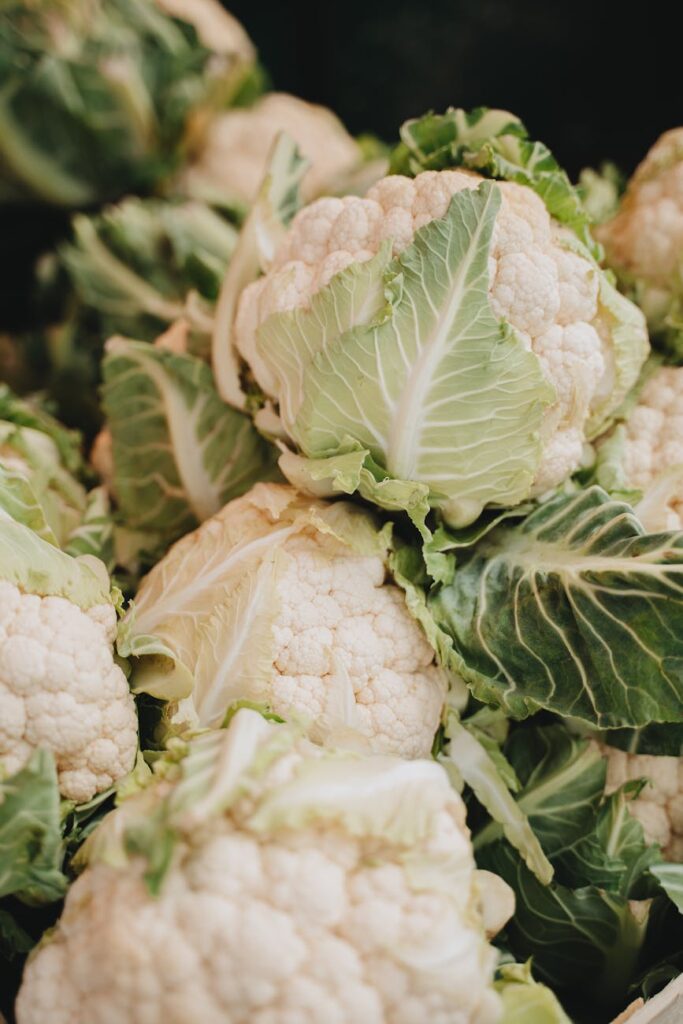
How Climate Affects Cauliflower Quality
Introduction
Cauliflower, a member of the cruciferous family, has gained immense popularity in global cuisine due to its versatility and nutritional profile. However, the quality of cauliflower can vary significantly depending on the climatic conditions of its growing region. Understanding how climate influences this ingredient is essential for consumers, producers, and food enthusiasts alike. This article explores the various aspects of cauliflower cultivation, from its historical origins to its production, quality grading, and more, all while focusing on the repercussions of climate on this beloved vegetable.
What Is Regions?
In the context of agriculture, “regions” refers to the geographical areas where specific crops are cultivated, each characterized by unique climatic conditions, soil types, and agricultural practices. These regions play a crucial role in determining the quality, flavor, and overall characteristics of crops, including cauliflower. The most significant climatic factors affecting cauliflower quality include temperature, humidity, sunlight, and precipitation.
History and Origins
The history of cauliflower can be traced back to the Mediterranean region, where it was cultivated as early as the Roman Empire. Fast forward to the 16th century, and cauliflower began gaining traction in Europe, eventually spreading to Asia and the Americas. Its adaptability to various climates has led to its successful cultivation across diverse regions, from the cooler climates of Northern Europe to the warmer areas of Southern Europe and beyond. The evolution of cauliflower varieties has also been influenced by regional climatic conditions, resulting in a wide range of shapes, colors, and flavors.
Production and Processing
Cauliflower thrives in cool weather, making it a popular crop in temperate regions. The ideal temperature for growth ranges from 60°F to 70°F (15°C to 21°C). In regions with high temperatures, the plant may bolt or flower prematurely, resulting in smaller and less desirable heads. This phenomenon is particularly prevalent in areas that experience sudden temperature spikes or prolonged heat waves.
The production process is also closely linked to climate. For instance:
- Soil Quality: Different regions yield various soil types, which can affect nutrient availability and water retention. Regions with loamy or sandy soils are generally more favorable for cauliflower cultivation.
- Irrigation Practices: In drier regions, irrigation becomes crucial to ensure consistent moisture levels, while overly wet climates can lead to diseases and rot.
- Seasonality: Cauliflower is typically a cool-season crop, meaning that its planting and harvesting times vary significantly across different regions. In tropical climates, where temperatures remain high year-round, farmers may grow cauliflower in the cooler months or utilize shaded areas to prevent heat stress.
- Size and Compactness: Cauliflowers grown in optimal temperature ranges tend to produce larger, denser heads. In regions where temperatures fluctuate, size may be inconsistent, leading to a mixture of small and large heads in a single harvest.
- Color: Climate also influences the pigmentation of cauliflower. Cooler climates often yield whiter heads, while warmer regions may produce varieties with vibrant colors, such as purple or orange, which are often rich in antioxidants.
- Blemishes and Pests: Humid regions may experience higher instances of pests and diseases, leading to blemishes that can lower the grade of the cauliflower. Farmers must engage in careful monitoring and pest management practices to ensure high-quality produce.
- Local vs. Imported: Local cauliflowers are often fresher and more flavorful than those imported from faraway regions. Understanding the growing season in your area can help you choose the best options.
- Seasonality: As a cool-season crop, cauliflowers should ideally be purchased during their peak season, which varies by region. In some areas, this may be late fall to early spring.
- Appearance: Look for firm, compact heads with no signs of browning or wilting. Climate may affect the appearance of cauliflower, so selecting from reputable sources is essential.
- Organic vs. Conventional: Organic cauliflower may be grown under different climatic conditions and practices, impacting its flavor and texture. Understanding the farming practices in your region can help you make informed choices.
- Raw Consumption: High-quality, fresh cauliflower is often used raw in salads or as a crunchy snack. The climate affects its crispness and overall flavor.
- Cooking Methods: Cauliflower can be roasted, steamed, or puréed. In regions with cooler climates, where the flavor is more robust, roasted cauliflower may offer a more satisfying dish compared to those grown in warmer conditions.
- Alternative Ingredients: The rise of the “cauliflower trend” has led to its use as a substitute for rice, pizza crust, and more. The quality of the cauliflower, affected by weather conditions, can significantly impact the texture and taste of these alternatives.
- Temperature: Cauliflower should be stored in a cool, dark place or refrigerated at temperatures between 32°F and 36°F (0°C to 2°C). High ambient temperatures can accelerate spoilage.
- Humidity: Maintaining an appropriate humidity level is crucial;
Quality and Grading
The quality of cauliflower is assessed based on several criteria, including size, color, compactness, and the presence of blemishes. Climate impacts these factors significantly:
Grading standards vary by region but generally follow guidelines set by agricultural authorities. Higher-grade cauliflowers are more likely to command better prices in the marketplace.
Buying Considerations
When purchasing cauliflower, consumers should be aware of the following factors that are influenced by climate:
Uses and Applications
Cauliflower is a culinary chameleon, lending itself to various cooking techniques and applications. Its quality, influenced by climate, can affect how well it performs in different recipes:
Storage and Shelf Life
Cauliflower has a relatively short shelf life, typically lasting about 7 to 14 days when stored properly. Climate influences both storage methods and shelf life: