
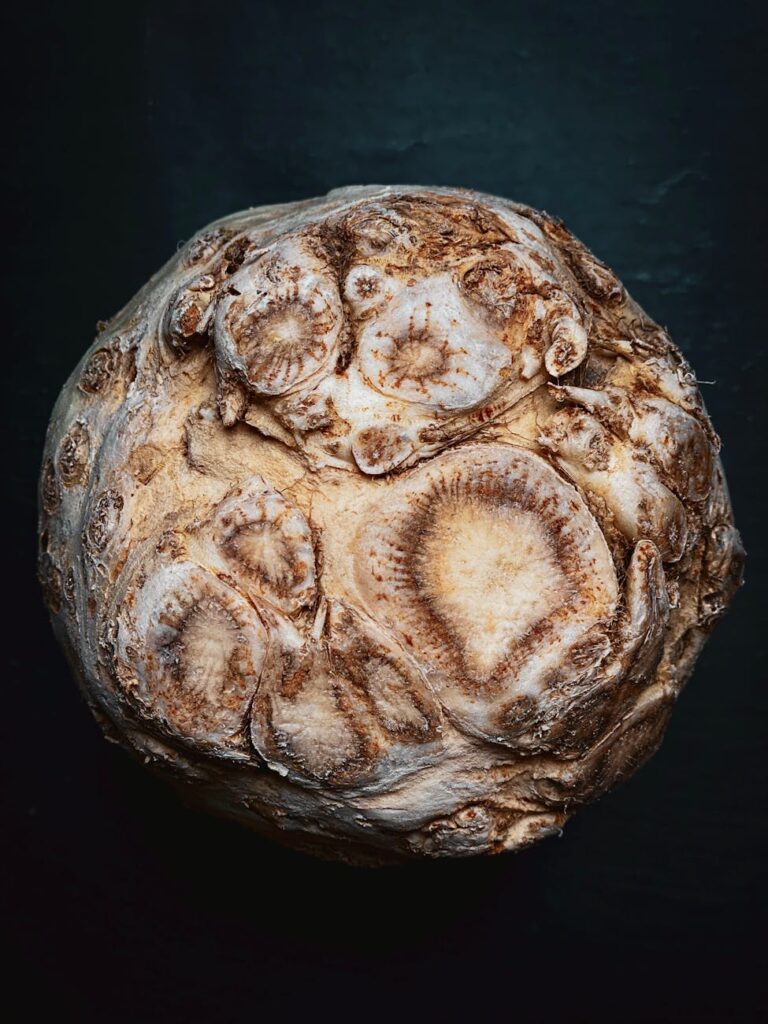
How Climate Affects Celeriac Quality
Introduction
Celeriac, also known as celery root, is a unique and versatile vegetable that has been cultivated for centuries. Its distinctive flavor and texture make it a popular choice in various culinary applications. However, the quality of celeriac is significantly influenced by the climate in which it is grown. This article delves into how different climatic conditions affect the quality, taste, and overall production of celeriac.
What Is Regions?
In the context of celeriac, “regions” refers to the geographical areas where this vegetable is cultivated. These regions can vary significantly in climate, soil type, and agricultural practices, all of which contribute to the final quality of the celeriac produced. Understanding these regions is crucial for appreciating the nuances in flavor, texture, and overall quality of celeriac.
History and Origins
Celeriac is believed to have originated in the Mediterranean basin. It was initially cultivated for its leaves and seeds, which were used for flavoring and medicinal purposes. Over time, farmers began to focus on the root, leading to the development of the celeriac we know today.
The vegetable gained popularity in Europe during the 19th century, particularly in France and Italy, where it became a staple in various culinary traditions. Celeriac is now grown in many parts of the world, including North America and Northern Europe, but the quality of the root can vary dramatically based on the climatic conditions of each region.
Production and Processing
Celeriac is typically grown in temperate climates with cool to moderate temperatures. The growing season lasts from spring to fall, and it is crucial for the plants to experience cool, moist conditions for optimal growth.
Climate Influences
1. Temperature: Celeriac thrives in temperatures ranging from 15°C to 20°C (59°F to 68°F). Extreme heat can lead to bolting, where the plant flowers prematurely, resulting in a tough, woody root. Conversely, frost can damage the roots, affecting their quality and flavor.
2. Moisture: Adequate moisture is vital for celeriac production. Too much or too little water can lead to various root diseases and affect the size and texture of the celeriac. Regions with consistent rainfall or those that practice efficient irrigation systems tend to produce higher-quality celeriac.
3. Soil Type: The soil composition in different regions also plays a significant role. Celeriac prefers rich, loamy soil with good drainage. Regions with heavy clay soils may produce roots that are smaller and of inferior quality.
Quality and Grading
The quality of celeriac is assessed based on several factors, including size, shape, and surface texture. Quality grading can vary by region, but generally, higher-quality celeriac will have:
- A smooth, unblemished surface
- A firm texture
- A uniform shape without any cracks or voids
- Soups and Stews: High-quality celeriac adds depth and richness to soups and stews, making it a favorite for winter dishes.
- Salads: Raw celeriac can be julienned for salads, where its crisp texture can provide a delightful crunch.
- Purées: When cooked and puréed, celeriac can serve as a creamy substitute for potatoes, adding a unique flavor profile that enhances many dishes.
Climatic conditions directly influence these attributes. For instance, celeriac grown in cooler climates typically exhibits a more robust flavor profile and a denser texture than that grown in warmer areas.
Buying Considerations
When purchasing celeriac, it is essential to consider the region of origin. Different regions offer distinct flavor profiles and textures, which can significantly affect culinary applications.
Key Factors to Consider
1. Seasonality: Celeriac is generally in season from late summer through early spring. Buying during peak season can help ensure fresher, more flavorful roots.
2. Origin: Familiarize yourself with reputable growing regions. For example, celeriac from Northern Europe is often regarded as superior due to the cooler growing conditions.
3. Appearance: Look for celeriac that is firm with no soft spots or blemishes. The skin should be beige or light brown, indicating maturity.
4. Sourcing: Consider buying from local farmers’ markets or organic suppliers, as these celeriacs are often fresher and grown under optimal conditions.
Uses and Applications
Celeriac is a versatile ingredient that can be used in various culinary applications, from soups and stews to salads and purées. The quality of celeriac can affect the final dish’s flavor and texture.
Culinary Uses
The quality of celeriac can greatly influence how well it performs in these applications, underscoring the importance of understanding the impact of climate on its growth.
Storage and Shelf Life
Proper storage of celeriac is essential to maintain its quality. When stored correctly, celeriac can last for several weeks.
Storage Tips
1. Temperature: Celeriac should be stored in a cool, dark place, ideally at temperatures between 0°C and 4°C (32°F to 39°F).
2. Humidity: It thrives in a humid environment, so it is advisable to place it in a perforated plastic bag to retain moisture while allowing for air circulation.
3. Avoiding Spoilage: Inspect regularly for any signs of spoilage or soft spots, and remove any affected roots to prevent them from impacting others.
Common Misconceptions
Despite its growing popularity, several misconceptions about celeriac persist.
1. Only for Soups: Many believe celeriac is only suitable for soups or stews, whereas it can be used in a variety of dishes, including salads