
How Climate Affects Chanterelle Mushrooms Quality
Introduction
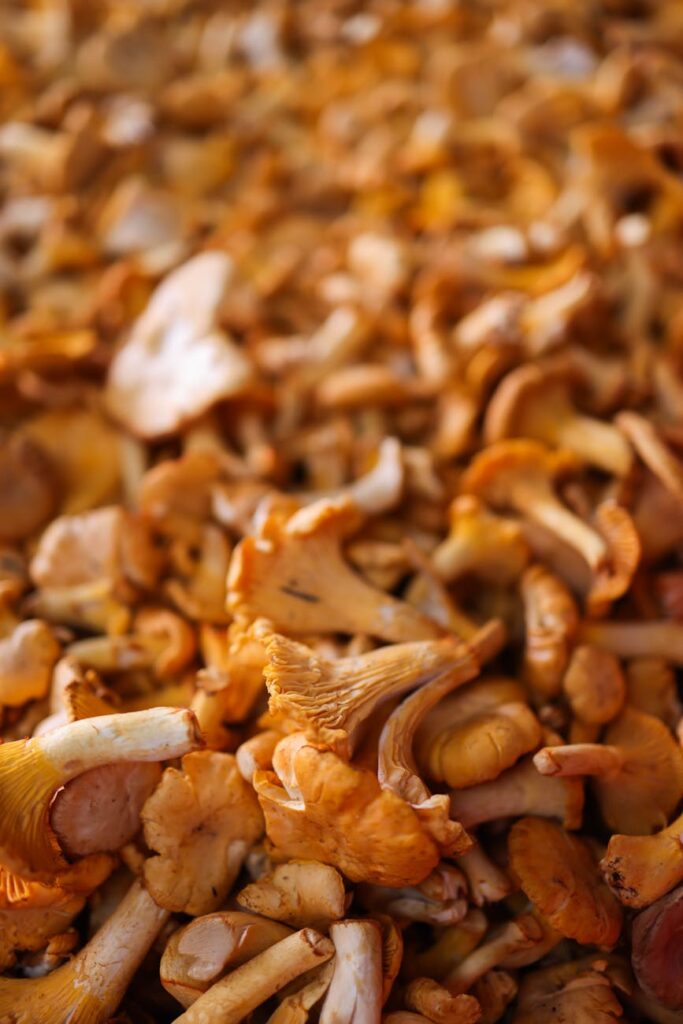
Chanterelle mushrooms, known for their vibrant orange-yellow hues and distinctive trumpet shape, are cherished in culinary circles for their delicate flavor and aroma. These fungi thrive in specific climatic conditions, which significantly affect their quality, taste, and market value. Understanding how climate impacts the growth and characteristics of chanterelles is crucial for chefs, foragers, and food enthusiasts alike. This article delves into the relationship between climate and the quality of chanterelle mushrooms, exploring their regions, history, production, and more.
What Is Regions?
In the context of food ingredients, “regions” refers to the geographical areas where specific products are cultivated, emphasizing the environmental conditions that influence their growth. For chanterelle mushrooms, regions can vary significantly, from temperate forests in North America to the rich woodlands of Europe and Asia. Each region boasts unique climatic conditions, such as temperature, humidity, and soil type, which directly correlate with the mushrooms’ quality and flavor profiles.
History and Origins
Chanterelle mushrooms have a long history of culinary use, dating back centuries. They are believed to have originated in the temperate forests of Europe and Asia. Ancient texts and folklore often mention these mushrooms as prized delicacies. In modern times, chanterelles have gained international recognition, becoming a sought-after ingredient in gourmet cuisine. The evolution of foraging and cultivation practices has allowed these mushrooms to be harvested in various regions, each contributing distinctive characteristics influenced by local climate and soil conditions.
Production and Processing
Chanterelle mushrooms are primarily foraged rather than cultivated, making them reliant on natural ecosystems. Their growth is heavily dependent on specific climatic factors:
- Temperature: Chanterelles prefer moderate temperatures, typically thriving in regions where daytime highs reach between 15 to 25 degrees Celsius. Extreme heat or frost can inhibit their growth or lead to poor quality.
- Humidity: These mushrooms flourish in moist environments. Regions with high humidity levels, often found in temperate rainforests, provide the necessary microclimates for chanterelles to thrive.
- Soil Quality: The richness of the soil, often found in forested areas with abundant organic matter, plays a crucial role in the nutritional quality of the mushrooms. Healthy soil promotes better growth and enhances the flavor profiles of chanterelles.
- Size: Chanterelles from regions with optimal conditions tend to be larger and more robust. Extreme weather conditions can lead to stunted growth or irregular shapes.
- Color: A vibrant orange or yellow hue is a hallmark of high-quality chanterelles. Climate-related factors, such as sunlight exposure, influence pigmentation.
- Firmness: Mushrooms grown in ideal moisture levels are typically firmer and denser, while those exposed to drought or excessive rainfall may be softer or more prone to spoilage.
- Aroma: The complex aroma of chanterelles is greatly influenced by the surrounding flora and fauna of their growing region. Climatic conditions that support a diverse ecosystem can enhance the mushroom’s scent profile.
- Soups and Sauces: Chanterelles add depth and richness to broths and sauces, enhancing the overall flavor.
- Sautéed or Roasted: A simple sauté with butter or olive oil brings out their natural aroma, making them an excellent side dish or topping.
- Risottos and Pasta: Their meaty texture complements grains and pasta, adding a gourmet touch to everyday meals.
- Garnishes: Their distinctive shape and color make them a visually appealing garnish for various dishes.
- Refrigeration: Store chanterelles in a paper bag within
Harvesting chanterelles involves careful picking to avoid damaging the delicate fungi and their surrounding ecosystem. Post-harvest, mushrooms are typically cleaned and graded based on size and appearance, which can vary significantly depending on the climatic conditions they were grown in.
Quality and Grading
The quality of chanterelle mushrooms can be assessed through several factors, including size, color, firmness, and aroma. Climate impacts these characteristics in the following ways:
Grading systems often categorize chanterelles into different classes, with premium grades fetching higher market prices. Understanding these grading criteria allows buyers to make more informed purchasing decisions.
Buying Considerations
When purchasing chanterelle mushrooms, several factors should be taken into account to ensure quality:
1. Source: Opt for locally sourced mushrooms whenever possible. Local foragers are often more attuned to the specific climatic conditions that yield the best quality chanterelles.
2. Appearance: Look for mushrooms with a firm texture and vibrant color. Avoid those that show signs of wilting or discoloration.
3. Aroma: Fresh chanterelles should have a distinct, earthy aroma. A lack of scent may indicate age or spoilage.
4. Seasonality: Chanterelle mushrooms have a specific growing season, which can vary by region. Understanding seasonal availability can enhance the likelihood of purchasing high-quality specimens.
5. Storage: Proper storage is crucial for maintaining the quality of chanterelles. They should be kept in a cool, dry environment and consumed within a few days of purchase.
6. Organic Certification: If possible, seek out organically certified chanterelles. These mushrooms are typically cultivated or foraged in a manner that respects the ecosystem, potentially leading to better quality.
Uses and Applications
Chanterelle mushrooms are incredibly versatile and find their way into various culinary applications. Their unique flavor profile and texture make them suitable for numerous dishes, including:
Due to their delicate flavor, it’s essential to balance chanterelles with complementary ingredients that will not overpower their subtle notes.
Storage and Shelf Life
The shelf life of chanterelle mushrooms is relatively short due to their high moisture content. Proper storage techniques can extend their usability: