
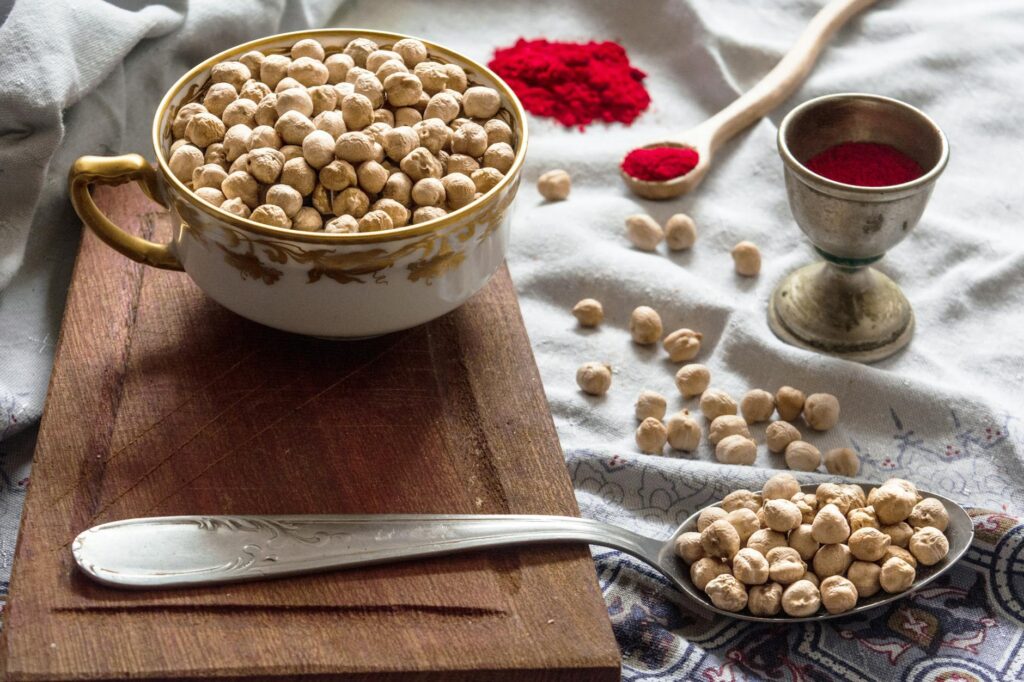
How Climate Affects Chickpea Flour Quality
Introduction
Chickpea flour, also known as gram flour or besan, is a versatile ingredient derived from ground chickpeas. It is particularly popular in various cuisines, including Indian, Middle Eastern, and Mediterranean. The quality of chickpea flour is influenced by several factors, with climate playing a crucial role. Understanding the relationship between climate and the characteristics of chickpea flour can help consumers make informed decisions and appreciate the nuances of this ingredient.
What Is Regions?
“Regions” in the context of chickpea flour refers to the geographical areas where chickpeas are cultivated. Each region has distinct environmental conditions—such as temperature, rainfall, soil type, and farming practices—that significantly affect the quality of the chickpeas harvested. These factors ultimately influence the properties of the flour produced from them, including flavor, texture, nutritional value, and color.
History and Origins
Chickpeas have a rich history that dates back thousands of years, believed to have originated in the Middle East around 7500 BCE. They were among the first cultivated legumes and spread to various regions, including the Mediterranean, South Asia, and North Africa. Over time, different varieties of chickpeas emerged, each adapted to its specific climate and soil conditions.
In India, chickpeas became a staple ingredient, leading to the production of chickpea flour. The subcontinent’s diverse climates—from the arid regions of Rajasthan to the fertile plains of Punjab—have given rise to a multitude of chickpea varieties, each contributing unique characteristics to the flour produced.
Production and Processing
Chickpea cultivation primarily occurs in regions where the climate is conducive to their growth. Chickpeas thrive in semi-arid climates with warm temperatures and well-drained soils. Key producing countries include India, Australia, Turkey, and Pakistan. The climate in these regions affects not only the growth of the chickpeas but also the harvesting and processing methods.
Once harvested, chickpeas undergo a series of steps to produce chickpea flour:
1. Cleaning: The harvested chickpeas are cleaned to remove impurities, stones, and dust.
2. Drying: Proper drying is crucial, as excess moisture can lead to mold growth during storage.
3. Milling: After drying, the chickpeas are ground into flour using stone mills or industrial grinders. The milling process may vary based on regional practices and desired flour texture.
Climate conditions play a vital role in determining the moisture content of the chickpeas, which can affect the milling efficiency and the final flour’s quality.
Quality and Grading
The quality of chickpea flour is influenced by several climatic factors:
- Temperature: High temperatures during the growing season can lead to rapid maturation of the chickpeas, potentially affecting their size and nutrient content. Conversely, cooler temperatures can prolong the growing season, often resulting in larger, more nutrient-dense seeds.
- Rainfall: Adequate rainfall is essential for optimal chickpea development. Insufficient rainfall can lead to smaller seeds, whereas excessive rainfall may result in poor quality due to disease and mildew.
- Soil Composition: The mineral content and pH of the soil, which are influenced by climate, also affect the nutritional profile of chickpeas. Soils rich in organic matter typically produce higher-quality chickpeas, leading to superior flour.
- Origin: Knowing the region where the flour was produced can give insights into its quality. For instance, chickpea flour from regions with optimal growing conditions—such as moderate temperatures and sufficient rainfall—tends to have superior qualities.
- Color and Texture: A fine, light-colored flour is generally preferable. Darker flour may indicate the presence of impurities or overripe chickpeas.
- Packaging: Ensure that the chickpea flour is packaged in airtight containers to protect it from moisture and contaminants, which can compromise quality.
- Expiration Date: Since chickpea flour has a limited shelf life, check the expiration date to ensure freshness.
- Culinary Uses: It is a key ingredient in dishes such as falafel, socca, and pakoras. Its ability to bind ingredients makes it an excellent choice for gluten-free recipes.
- Thickening Agent: Chickpea flour is often used as a natural thickener in sauces and soups.
- Nutritional Supplement: Due to its high protein and fiber content, chickpea flour is commonly used in health-conscious recipes.
- Cool, Dry Place: Store chickpea flour in a cool, dry area, away from direct sunlight and moisture.
- Airtight Container: Transfer the flour to an airtight container to prevent exposure to air and humidity, which can lead to spoilage.
- Refrigeration or Freezing: For longer shelf life, consider refrigerating or freezing the flour, although this may alter its texture slightly upon thawing.
Grading systems for chickpea flour often consider color, texture, and moisture content. High-quality chickpea flour is typically fine, light in color, and has a slightly nutty flavor. These characteristics are often a direct result of the climatic conditions during cultivation.
Buying Considerations
When purchasing chickpea flour, several factors should be considered:
Uses and Applications
Chickpea flour is a multifaceted ingredient with various applications across cuisines:
The adaptability of chickpea flour in different culinary applications is augmented by its quality, which is shaped by climatic conditions during its production.
Storage and Shelf Life
Chickpea flour has a shelf life of about 6 to 12 months when stored properly. The following tips can help prolong its freshness:
Common Misconceptions
1. All Chickpea Flour Is the Same: Not all chickpea flour is created equal. Variations in climate, soil, and processing methods can lead to significant differences in quality.
2. High Protein Content Equals High Quality