
How Climate Affects Chickpeas Quality
Introduction
Chickpeas, known scientifically as Cicer arietinum, are a staple legume that holds significant cultural and nutritional value across the globe. Their versatility makes them a vital ingredient in various cuisines, from Middle Eastern falafel to Indian curries. However, the quality of chickpeas is heavily influenced by the climate in which they are cultivated. This article explores the intricate relationship between climate and the quality of chickpeas, delving into the regions where they thrive, their historical context, production processes, and other essential factors.
What Is Regions?
Regions refer to the distinct geographic areas where chickpeas are grown, each characterized by unique climatic conditions, soil types, and agricultural practices. These factors play a crucial role in determining the quality, size, flavor, and nutritional content of the chickpeas produced. Understanding the various regions can provide insight into the diverse characteristics of chickpeas available in the market.
Major Chickpea-Growing Regions
1. Middle East: Countries like Turkey, Iran, and Syria are among the leading producers. The arid climate and well-drained soils here contribute to the cultivation of high-quality chickpeas with robust flavors.
2. South Asia: India is the largest producer of chickpeas globally, where diverse climatic conditions—from temperate to tropical—affect the growth cycles and quality of the beans.
3. North Africa: Nations such as Algeria and Morocco benefit from Mediterranean climates, which favor the production of chickpeas with a unique taste profile.
4. Australia and the Americas: Emerging markets in Australia and the United States are increasingly cultivating chickpeas, adapting to different climatic zones that can influence various quality attributes.
History and Origins
Chickpeas are one of the oldest cultivated legumes, with evidence of their consumption dating back over 7,000 years. Originating in the Middle East, chickpeas spread to various regions, adapting to local climates and agricultural practices. Their ability to thrive in arid and semi-arid conditions made them particularly valuable in areas where other crops might fail.
The historical significance of chickpeas is not merely agricultural; they have been integral to the diets of various civilizations. Their resilience and adaptability to different climatic conditions have allowed them to retain their status as a staple food source through centuries, making them a key component of food security in many regions.
Production and Processing
The production of chickpeas is a complex process influenced by climate, soil health, and farming practices. Chickpeas are typically grown in dryland farming systems, where they require less water than many other crops. This makes them particularly suitable for arid regions.
Climate’s Role in Production
- Temperature: Chickpeas thrive in temperatures ranging from 20°C to 30°C (68°F to 86°F). Extreme temperatures can lead to poor seed development and lower yield.
- Rainfall: Chickpeas require about 300-600 mm of rainfall during their growing season. Insufficient rain can lead to stunted growth, while excessive moisture can cause root rot and disease.
- Soil Composition: Well-drained soils rich in organic matter are ideal for chickpea cultivation. The pH level of the soil also affects nutrient availability, impacting growth and quality.
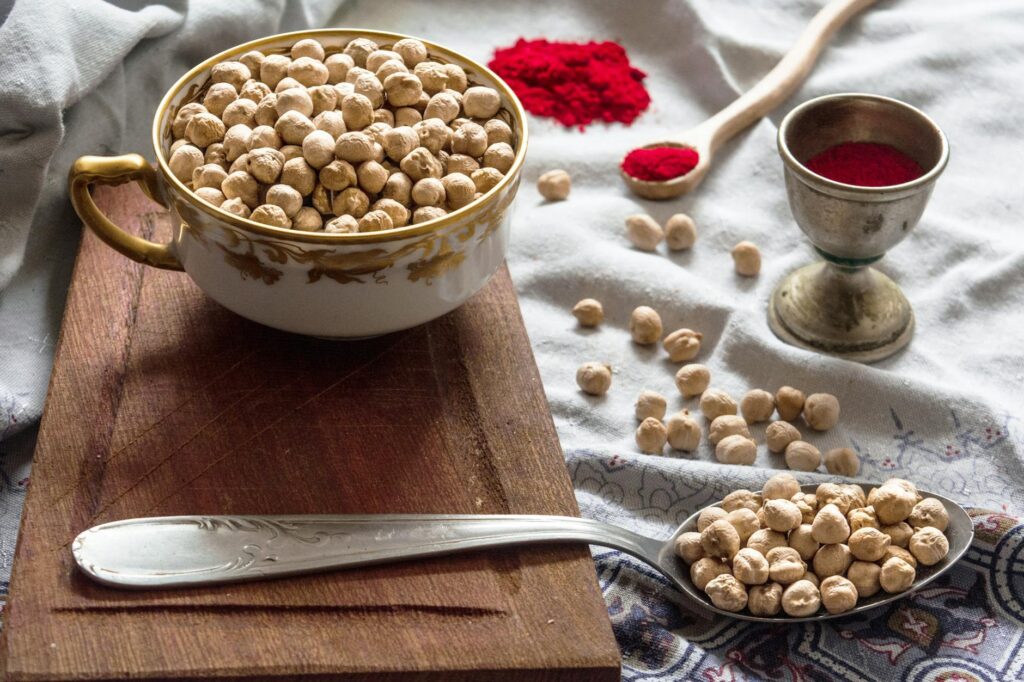
- Seed Size and Shape: Larger chickpeas are often considered of higher quality, especially in markets that favor specific varieties. The shape can also influence cooking times and texture.
- Color: The color of chickpeas can range from light beige to dark brown. Naturally, the color can indicate ripeness and quality, but environmental factors can also cause variations.
- Nutritional Content: Climate affects the nutrient profile of chickpeas. For instance, chickpeas grown in nutrient-rich soils with optimal rainfall may have higher protein and fiber content.
- Culinary Dishes: Chickpeas can be used in salads, curries, soups, and stews. They can be ground into flour or blended into spreads like hummus.
- Snacks: Roasted chickpeas are a popular snack item, often seasoned with spices for added flavor.
After harvest, chickpeas undergo several processing steps, including cleaning, sorting, and packaging. Proper processing techniques can further enhance the quality of chickpeas, ensuring that they retain their nutritional value and flavor.
Quality and Grading
The quality of chickpeas can be assessed based on various parameters, including size, color, and nutritional content. Grading systems vary by region, but they typically classify chickpeas into several categories based on these attributes.
Influencing Factors
Quality grading systems help consumers make informed choices while allowing producers to market their products effectively.
Buying Considerations
When purchasing chickpeas, it is essential to consider several factors that can influence quality:
1. Origin: Understanding the region of origin can provide insights into the quality characteristics of the chickpeas. For instance, chickpeas from the Middle East may have a different flavor profile compared to those from South Asia.
2. Packaging: Opt for well-packaged products that protect against moisture and pests. Vacuum-sealed packages often ensure better quality.
3. Varietal Differences: Various chickpea varieties, such as Kabuli and Desi, have distinct characteristics. Kabuli chickpeas are larger and cream-colored, while Desi chickpeas are smaller and darker.
4. Organic vs. Conventional: Organic chickpeas are grown without synthetic pesticides or fertilizers, which may appeal to health-conscious consumers.
5. Quality Certifications: Look for certifications that indicate adherence to quality standards, such as those from agricultural associations or organic certifying bodies.
Uses and Applications
Chickpeas are incredibly versatile and find applications in a wide range of culinary practices. Their high protein and fiber content makes them a popular choice for vegetarian and vegan diets. Here are some common uses:
–