
How Climate Affects Cilantro Quality
Introduction
Cilantro, also known as coriander in its seed form, is a versatile herb used globally for its distinct flavor and aroma. It is an essential ingredient in various culinary traditions, contributing to the vibrancy of dishes ranging from salsas to curries. However, the quality of cilantro can vary significantly based on the regions in which it is grown. Different climates and environmental conditions play a critical role in determining the flavor profile, aroma, and overall quality of this herb. This article delves into the intricate relationship between climate and the quality of cilantro, exploring its regions, history, production, and more.
What Is Regions?
In the context of cilantro, “regions” refers to geographical areas where the herb is cultivated, each characterized by unique climatic conditions. These regions significantly influence the growth patterns, flavors, and aromatic profiles of cilantro. Understanding these regions helps consumers and chefs alike make informed choices about the cilantro they use.
Cilantro is cultivated across various continents, including North America, Asia, Europe, and the Mediterranean. Each region offers distinct environmental conditions, such as temperature, humidity, and soil type, which directly affect the plant’s growth and flavor.
History and Origins
Cilantro has a rich history that dates back thousands of years. It is believed to have originated in regions around the Mediterranean and parts of Asia, with early mentions found in ancient texts from Egypt and Greece. The herb was used not only for culinary purposes but also for medicinal ones.
As trade routes expanded, cilantro made its way to different parts of the world, adapting to diverse climates and agricultural practices. In India, for example, it became a staple in various dishes, while in Mexico, it is an integral part of salsa and other traditional recipes. The herb’s adaptability has allowed it to thrive in various regions, each contributing to its unique flavor profile.
Production and Processing
The production of cilantro varies significantly based on climatic conditions and agricultural practices. In regions with mild climates, cilantro can be grown year-round, while in more extreme climates, it is typically cultivated during specific seasons.
Climate Conditions
1. Temperature: Cilantro thrives in cooler temperatures, ideally between 50°F and 85°F (10°C to 29°C). In hotter climates, the plant may bolt, leading to a rapid flowering stage that diminishes leaf quality. Conversely, excessively cold temperatures can stunt growth.
2. Humidity: High humidity can promote the growth of pests and diseases, while low humidity can lead to wilting. Regions with moderate humidity levels generally produce healthier cilantro.
3. Soil Quality: Well-drained, nutrient-rich soils are essential for optimal cilantro growth. Regions with sandy loam or clay loam soils tend to produce higher quality cilantro due to their ability to retain moisture while allowing for good drainage.
Cultivation Practices
Farmers employ various cultivation techniques to enhance cilantro quality. These may include crop rotation, organic farming practices, and careful irrigation management. Moreover, local agricultural knowledge often influences how cilantro is grown, with traditional practices contributing to the herb’s distinctive characteristics in different regions.
Harvesting
Cilantro is typically harvested when the leaves are vibrant green and before the plant begins to flower. Proper timing is crucial to ensure optimal flavor and aroma. Harvesting can vary from one region to another, influenced by local climate conditions and market demands.
Quality and Grading
The quality of cilantro is determined by several factors, most notably its aroma, flavor, and appearance. In regions where the climate is conducive to growth, cilantro tends to have a stronger, more aromatic profile. The grading of cilantro is often based on the following criteria:
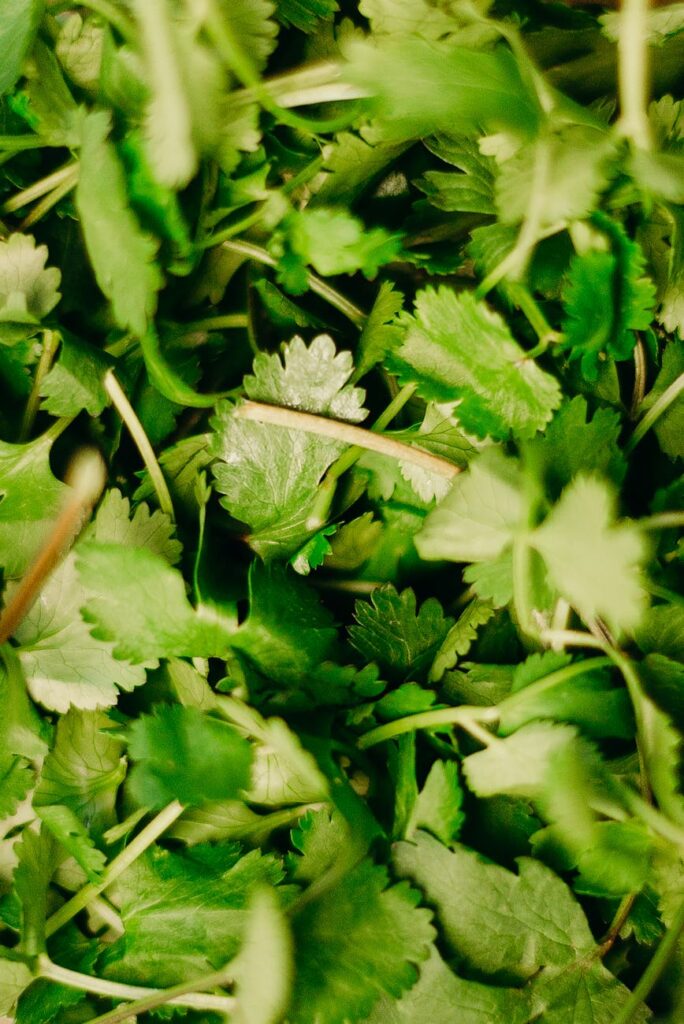
1. Appearance: High-quality cilantro leaves are vibrant green, free from blemishes or yellowing. The stems should also be fresh and firm.
2. Aroma: The fragrance of cilantro is a key indicator of its quality. Fresh cilantro emits a strong, citrusy aroma, while older or poorly grown cilantro may have a dull scent.
3. Flavor: Fresh cilantro should impart a bright, slightly peppery flavor that enhances dishes. Cilantro that has bolted or been subjected to harsh growing conditions may taste bitter or overly pungent.
Understanding these grading criteria can help consumers make informed purchasing decisions, ensuring they select the highest quality cilantro available.
Buying Considerations
When purchasing cilantro, it is essential to consider several factors to ensure you are getting the best quality:
1. Source: Knowing the origin of the cilantro can give insights into its quality. Cilantro grown in regions with optimal climatic conditions is generally superior in flavor and aroma.
2. Seasonality: Cilantro tends to be fresher and more flavorful when purchased in-season. In many regions, cilantro is at its peak during the spring and fall.
3. Freshness: Look for cilantro with bright green leaves and firm stems. Avoid any bunches that appear wilted or yellowed, as they are likely past their prime.
4. Organic vs. Conventional: Organic cilantro is often grown without synthetic pesticides and fertilizers, which can affect both the flavor and quality of the herb.
5. Local vs. Imported: Local cilantro may have superior freshness and flavor compared to imported varieties, which may have been transported over long distances.
Uses and Applications
Cilantro is a versatile herb with a wide array of culinary applications. Its unique flavor profile makes it suitable for various dishes, including:
- Salsas and Sauces: Cilantro adds brightness to fresh salsas and sauces, balancing out richer flavors.
- Soups and Stews: It can be used as a garnish or blended into soups and stews, enhancing their complexity.
- Garnish: Fresh cilantro is often used as a garnish for dishes, providing a pop of color and flavor.