
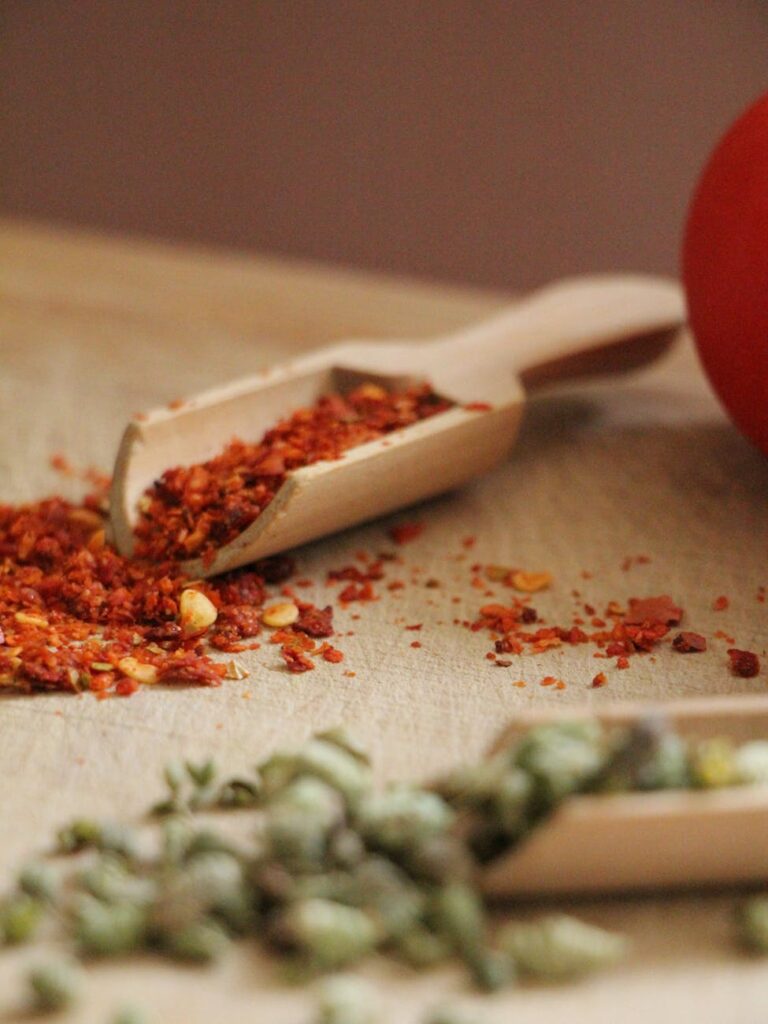
How Climate Affects Dulse Quality
Introduction
Dulse, scientifically known as Palmaria palmata, is a red seaweed that has been utilized for centuries in various culinary and medicinal applications. Its unique flavor, nutrient profile, and versatility have garnered attention from chefs and health enthusiasts alike. However, the quality of dulse can vary significantly based on the environmental conditions in which it grows. This article delves into how climate affects dulse quality, exploring the regions where it thrives, its historical significance, production methods, and practical considerations for consumers.
What Is Dulse?
Dulse is a type of red algae found primarily along the coasts of the North Atlantic and North Pacific oceans. Characterized by its broad, flat fronds that can be a reddish-purple to dark brown color, dulse is rich in vitamins, minerals, and antioxidants. Traditionally harvested by hand, it can be consumed fresh, dried, or powdered and is often used in salads, soups, and as a seasoning.
History and Origins
Dulse has a rich cultural history, particularly among coastal communities in Ireland, Scotland, and North America. Indigenous peoples of these regions have harvested dulse for thousands of years, utilizing it as a food source and a remedy for various ailments. The earliest recorded references date back to the 12th century, with mentions in historical texts from the Celtic regions.
The cultivation of dulse has evolved over time, with modern practices now incorporating both wild harvesting and farmed production. In regions like Newfoundland, dulse harvesting is an age-old tradition, while other parts of the world are beginning to recognize its potential as a sustainable food source.
Production and Processing
The production of dulse is deeply intertwined with the climate of its growing regions. Dulse typically thrives in cool, nutrient-rich waters, making it particularly abundant in areas with specific oceanic conditions. The optimal temperature range for dulse growth is between 10°C and 15°C (50°F and 59°F). Regions with stable climatic conditions and minimal pollution are preferred for the highest quality yields.
Harvesting Techniques
Dulse can be harvested in two primary ways: wild harvesting and aquaculture. Wild harvesting involves collecting the seaweed directly from rocky shorelines, usually by hand. This method is labor-intensive but allows for the selection of high-quality specimens. Aquaculture, on the other hand, involves growing dulse in controlled environments, often on ropes or nets suspended in the water. This method can provide more consistent quality and yield.
Processing Methods
After harvesting, dulse is typically washed to remove sand and debris. It can be consumed fresh or dried for preservation. The drying process is crucial, as it affects both flavor and texture. Sun-drying or air-drying methods can enhance the natural flavors, while industrial drying may alter the quality. The method of processing can also introduce variations in taste, color, and nutritional content.
Quality and Grading
The quality of dulse is influenced by several factors, including the environment in which it grows, the harvesting methods employed, and the processing techniques used. High-quality dulse is characterized by vibrant color, firm texture, and a fresh, briny aroma.
Grading Standards
Grading standards for dulse can vary by region, but typically include:
- Color: A deep reddish-purple indicates freshness and quality.
- Texture: High-quality dulse should be firm and not overly soft or mushy.
- Flavor: A briny, slightly sweet flavor is desirable, while bitterness may indicate poor quality.
- Seasoning: Dulse flakes can be sprinkled on dishes for added flavor.
- Soups and Broths: Its natural saltiness enhances the umami flavor of soups.
- Salads: Fresh dulse can be tossed into salads for a nutrient boost.
- All Dulse Is the Same: Quality can vary widely based on sourcing and processing methods.
- Dulse Is Only a Seasoning: While it can be used as a seasoning, dulse is a versatile ingredient that
Environmental Factors
Climate plays a pivotal role in the quality of dulse. Factors such as water temperature, salinity, and nutrient availability can dramatically affect growth rates and the overall health of the seaweed. Areas with stable temperatures and minimal fluctuations often yield more consistent, high-quality dulse.
Buying Considerations
When purchasing dulse, consumers should consider several factors to ensure they are getting a high-quality product:
1. Source: Prefer products sourced from clean, unpolluted waters.
2. Form: Choose between fresh, dried, or powdered forms based on intended use.
3. Labeling: Look for certifications or grading labels that indicate quality.
4. Packaging: Ensure that the packaging is airtight to maintain freshness.
Uses and Applications
Dulse has a wide array of culinary applications. It can be used as a seasoning, added to soups and salads, or incorporated into snacks. Its umami flavor makes it a popular choice for enhancing dishes. Beyond culinary uses, dulse is also gaining traction in the health and wellness industry as a natural supplement due to its nutrient density.
Culinary Uses
Non-Culinary Uses
Dulse is also being explored in the cosmetic and pharmaceutical industries for its antioxidant properties and potential health benefits.
Storage and Shelf Life
Proper storage is essential to maintaining the quality of dulse.
Fresh Dulse
Fresh dulse should be consumed within a few days of harvesting. It can be stored in the refrigerator, ideally in a sealed container to prevent moisture loss.
Dried Dulse
Dried dulse has a significantly longer shelf life, often lasting for up to a year when stored in a cool, dry place. Airtight packaging is crucial to prevent exposure to moisture and air, which can degrade quality.
Common Misconceptions
Despite its increasing popularity, several misconceptions about dulse persist: