
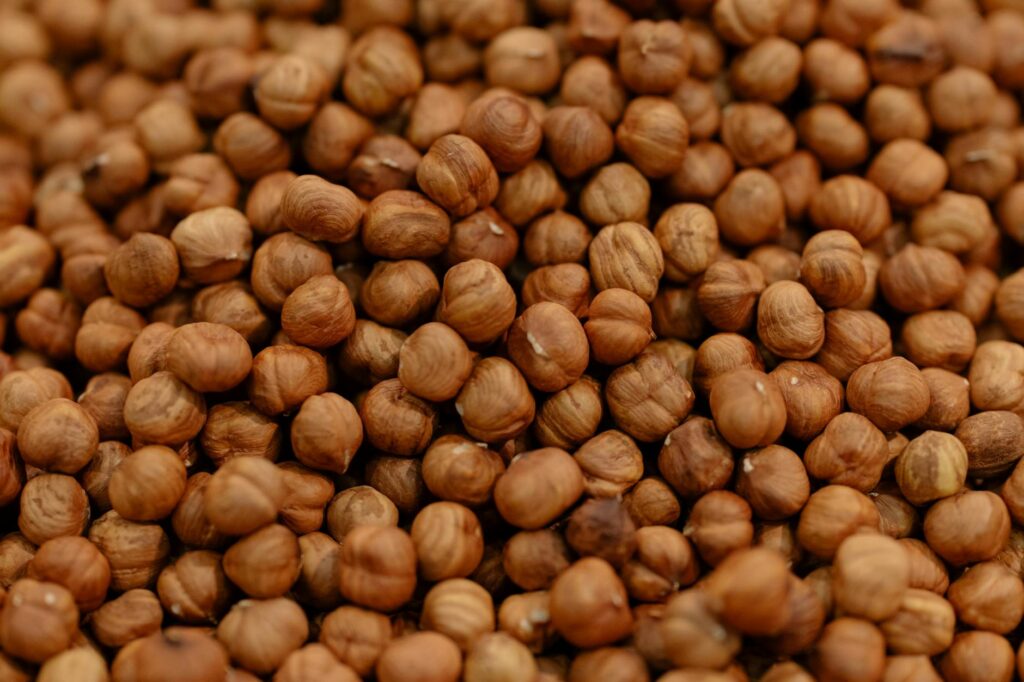
How Climate Affects Hazelnuts Quality
Introduction
Hazelnuts, known for their rich flavor and versatility, have become a staple in various culinary applications, from confectionery to gourmet cooking. However, the quality of hazelnuts is significantly influenced by the climate of the regions where they are cultivated. Understanding the interplay between climate and hazelnut quality is essential for growers, producers, and consumers alike. This article delves into the regions where hazelnuts thrive, the historical context of their cultivation, and how climatic factors determine their quality.
What Is Regions?
Regions refer to specific geographic areas characterized by distinct climatic conditions, soil types, and cultural practices. When it comes to hazelnuts, regions play a crucial role in determining the flavor profile, size, and overall quality of the nuts. The most prominent hazelnut-growing regions include parts of Turkey, Italy, the United States (particularly Oregon), and Spain. Each of these regions possesses unique climatic attributes that influence the cultivation and characteristics of hazelnuts.
History and Origins
The cultivation of hazelnuts dates back thousands of years, with evidence of their use found in ancient civilizations. The native habitat of the hazelnut tree (Corylus avellana) extends from Europe to Asia, with its domestication believed to have occurred in the Mediterranean region. Over time, hazelnuts spread across Europe, where they became integral to local cuisines and traditions.
Turkey remains the largest producer of hazelnuts globally, accounting for nearly 70% of the world’s supply. The region’s climatic conditions, characterized by temperate weather and fertile soils, have made it an ideal locale for hazelnut cultivation. Italian and American hazelnut industries have also developed, each adapting to their respective climates to produce high-quality nuts with unique flavor profiles.
Production and Processing
The production of hazelnuts involves various stages, from planting and harvesting to processing. The climate in which hazelnuts are grown affects every step of this process.
Planting
Hazelnuts require a temperate climate with distinct seasons. They thrive in regions where winters are cold enough to induce dormancy, while summers are warm and dry. The ideal temperature range for hazelnut growth is between 15°C to 25°C (59°F to 77°F). Regions with excessive rainfall or extreme temperatures can adversely affect the trees’ growth and nut development.
Harvesting
The timing of the harvest is crucial. In regions where winters are milder, hazelnuts may ripen earlier, while in colder climates, the harvesting season can be delayed. Harvesting typically occurs in late summer to early fall. The nuts must be collected promptly to prevent spoilage and ensure optimal quality.
Processing
Once harvested, hazelnuts undergo processing to enhance their flavor and preserve their quality. This includes drying, roasting, and shelling. The climate affects not only the timing of these processes but also the methods used. For example, regions with higher humidity may require longer drying periods to reduce moisture content and prevent mold growth.
Quality and Grading
The quality of hazelnuts is assessed through various grading standards. Factors such as size, shape, color, and flavor play significant roles in determining their grade. Climate influences these characteristics; for instance, nuts grown in regions with a balanced climate often have a more consistent size and shape, while those from harsher climates may exhibit variability.
Size and Shape
Hazelnuts are typically graded by size, with larger nuts commanding higher prices. The climate affects the tree’s growth conditions, influencing the nut’s size. For example, hazelnuts from Turkey tend to be larger due to the favorable growing conditions, while those from cooler climates may be smaller.
Flavor Profile
The flavor of hazelnuts is intricately tied to the conditions in which they are grown. Regions with ample sunlight and well-drained soils often produce nuts with a richer, sweeter flavor. In contrast, hazelnuts from areas with excessive rain or shaded conditions may have a less robust flavor profile.
Buying Considerations
When purchasing hazelnuts, consumers should consider several factors that can impact quality, many of which are related to the climate of the growing region.
Origin
Knowing the origin of hazelnuts can provide insight into their expected flavor and quality. For instance, Turkish hazelnuts are often known for their large size and rich flavor, while Oregon hazelnuts may offer a more delicate taste profile.
Grading
As mentioned, hazelnuts are graded based on size, shape, and quality. Buyers should look for nuts that are uniform in size and have a consistent color. These indicators often reflect the growing conditions and the care taken during harvesting and processing.
Freshness
Freshness is crucial when it comes to hazelnuts. Nuts that are stale or improperly stored can lose their flavor and nutritional value. Buyers should check the packaging for harvest dates and storage recommendations to ensure they are purchasing the freshest product available.
Uses and Applications
Hazelnuts are incredibly versatile and can be used in a wide array of culinary applications. Their rich flavor makes them a popular choice for:
- Confectionery: Hazelnuts are often found in chocolates, pralines, and spreads like Nutella.
- Baking: They are used in cakes, cookies, and pastries, adding texture and flavor.
- Savory Dishes: They can enhance salads, roasted vegetables, and meat dishes, providing a nutty crunch.
- Oil and Milk: Hazelnut oil is prized for its flavor and is used in dressings and marinades, while hazelnut milk serves as a dairy alternative.
The climate of the region where hazelnuts are grown influences not only their flavor but also their suitability for specific culinary uses.
Storage and Shelf Life
Proper storage is vital for maintaining the quality of hazelnuts