
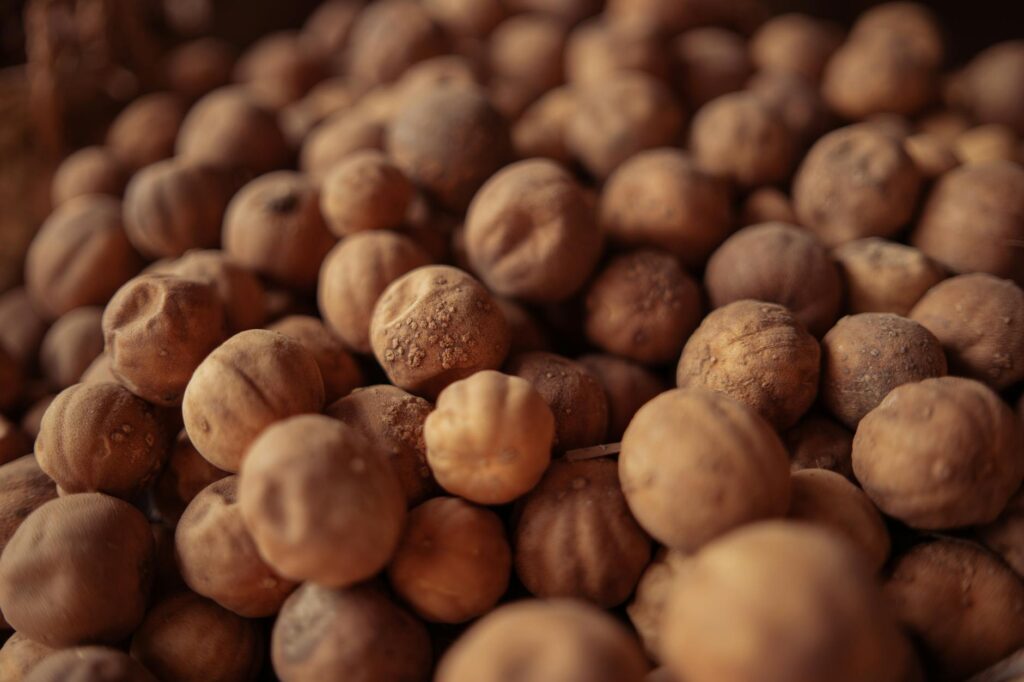
How Climate Affects Kefir Lime Quality
Introduction
Kefir lime, known scientifically as Citrus hystrix, is a unique fruit characterized by its distinctive bumpy texture and aromatic leaves. Predominantly found in Southeast Asia, this citrus fruit is prized for its culinary applications and aromatic properties. However, like many agricultural products, the quality of kefir lime is heavily influenced by climate and regional growing conditions. This article delves into the complexities of how climate affects kefir lime quality, from its historical context to production practices, grading standards, and beyond.
What Is Regions?
In the context of agricultural products like kefir lime, “regions” refers to the geographical areas where the fruit is cultivated. Each region offers distinct climatic conditions, including temperature, humidity, rainfall, and soil composition, which collectively influence the growth, flavor, and overall quality of the fruit. Kefir limes thrive in tropical and subtropical climates, primarily in countries like Thailand, Malaysia, Indonesia, and the Philippines. Understanding these regions helps consumers appreciate the nuances of this ingredient and make informed purchasing decisions.
History and Origins
Kefir lime has a rich history rooted in Southeast Asian culture and cuisine. It is believed that the fruit originated in the region, where it has been cultivated for centuries. Indigenous peoples utilized kefir lime not only for its culinary applications but also for its fragrant leaves, which are integral to many traditional dishes. The fruit gradually gained popularity across various cultures, spreading to regions beyond its native habitat.
Historically, the tree was valued not just for its fruit but also for its resilience and adaptability to local conditions. The cultivation of kefir lime has been enhanced by generations of agricultural practices, leading to the development of varieties that are particularly well-suited to specific regional climates. This historical context is essential for understanding how climate has influenced the fruit’s characteristics over time.
Production and Processing
Kefir lime is typically grown in well-drained, fertile soil with a pH level between 6.0 and 7.0. The plant prefers warm temperatures and thrives in areas with high humidity. These conditions are often found in tropical regions, where temperatures range from 20°C to 30°C (68°F to 86°F).
Production practices vary widely depending on the region. In Thailand, for example, kefir lime is often grown in small family farms, where traditional methods are employed. Farmers may use organic practices, avoiding chemical fertilizers and pesticides, which can enhance the quality of the fruit. In contrast, larger commercial farms in other countries may use modern agricultural techniques, including irrigation systems to manage water supply in drier areas.
Processing the fruit is another critical aspect that can affect quality. Fresh kefir limes are typically harvested by hand to prevent damage. After harvesting, they are often washed and sorted based on size and appearance. Proper handling is crucial, as damage during this stage can lead to diminished flavor and shelf life.
Quality and Grading
The quality of kefir lime is influenced by several factors, including climatic conditions, soil type, and harvesting methods. The grading of kefir lime often takes into account its size, color, and aroma. High-quality kefir limes are typically medium-sized, with a vibrant green hue and a bumpy, textured skin. They should emit a strong, citrusy aroma, indicative of their freshness and flavor potential.
Climate plays a significant role in these quality parameters. For instance, limes grown in regions with consistent rainfall and moderate temperatures tend to be juicier and more flavorful. In contrast, limes from drier climates may be smaller and less aromatic due to stress factors affecting the fruit’s development. Additionally, the timing of the harvest can greatly influence quality. Limes harvested at their peak ripeness will generally have a superior flavor profile compared to those picked too early or too late.
Buying Considerations
When purchasing kefir lime, consumers should consider several factors to ensure they are selecting high-quality fruit. Firstly, the source of the kefir lime is crucial; buying from reputable suppliers or local farmers can provide better assurance of quality. Look for limes that are firm to the touch, with a vibrant green color and a fragrant aroma. Avoid limes that show signs of discoloration or blemishes, as these may indicate over-ripeness or spoilage.
Additionally, understanding the region of origin can provide insight into the expected flavor and quality of the fruit. For example, kefir limes from Thailand are often regarded as superior due to the country’s ideal growing conditions and traditional farming practices.
Uses and Applications
Kefir lime is an incredibly versatile ingredient in culinary applications. The fruit itself is often used in Southeast Asian dishes, where its juice adds a tangy flavor that complements various ingredients. The leaves, known as kaffir lime leaves, are widely used in soups, curries, and stir-fries, imparting a unique citrus aroma that enhances the overall flavor profile of the dish.
In addition to culinary uses, kefir lime is also employed in the production of beverages, essential oils, and even cosmetics. The zest of the fruit can be used to flavor drinks, desserts, and marinades, offering an exotic twist to traditional recipes.
Understanding the regional variations in kefir lime can help chefs and home cooks alike appreciate the different flavor profiles and uses of the fruit. For instance, kefir limes from different countries may have slight variations in bitterness or sweetness, making them better suited for specific dishes.
Storage and Shelf Life
Storing kefir lime properly is essential for maintaining its quality. Fresh kefir limes should be kept in a cool, dry place, away from direct sunlight. They can also be stored in the refrigerator, where they can last for up to two weeks. If you have kefir lime leaves, they should be wrapped in a damp paper towel and stored in an airtight container in the fridge to preserve