
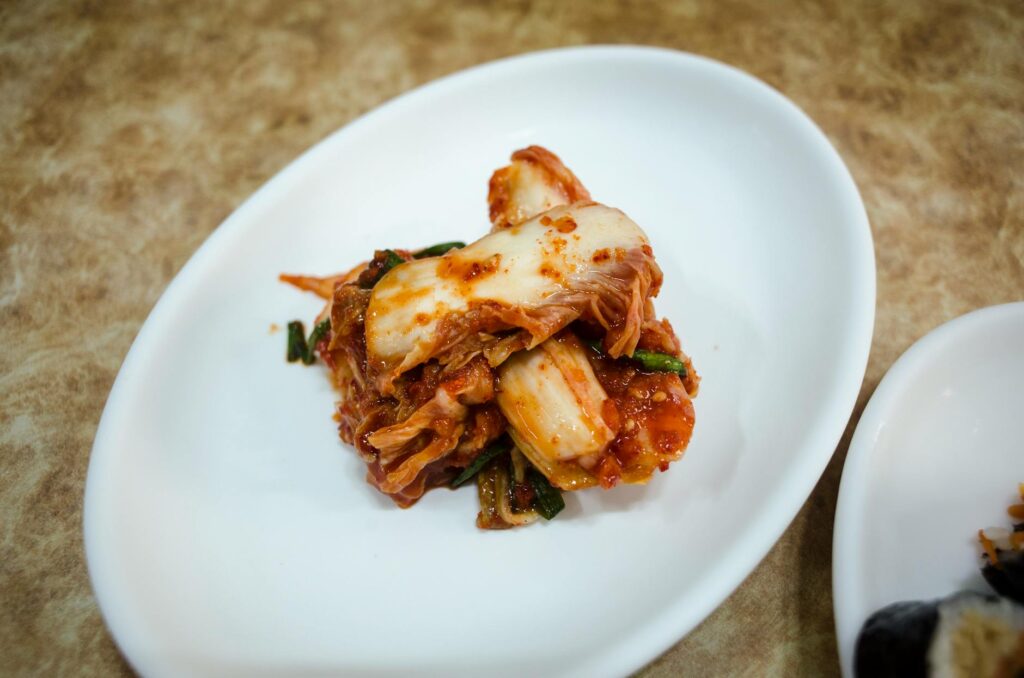
How Climate Affects Kimchi Quality
Introduction
Kimchi, a staple in Korean cuisine, is renowned for its complex flavors and health benefits. This fermented dish, primarily made from napa cabbage and radishes, varies significantly in taste and quality depending on various factors, one of the most critical being climate. The climate of a region not only affects the ingredients used but also plays a vital role in the fermentation process and, consequently, the final product’s flavor profile, texture, and nutritional value. This article delves into how different climatic conditions influence kimchi quality, examining the interplay between regional characteristics and the art of kimchi-making.
What Is Regions?
In the context of kimchi, “regions” refers to the various geographical areas in Korea and beyond where specific styles and recipes of kimchi are produced. Each region has its unique climate, soil, and agricultural practices that influence the types of vegetables grown, the fermentation techniques employed, and the flavor profiles developed. For example, kimchi from the coastal areas may incorporate seafood, while mountain regions might favor stronger spices. The regional distinctions in kimchi highlight not only the diversity of ingredients but also the cultural significance of the dish across different locales.
History and Origins
The origins of kimchi can be traced back to ancient Korea, where it evolved from simple vegetable preservation methods. Initially prepared using salt and fermented in earthenware pots, kimchi has undergone numerous transformations, adapting to the availability of local ingredients and the climatic conditions of various regions. For centuries, seasonal changes dictated the types of vegetables used; for example, napa cabbage is a winter staple, while radishes are more commonly harvested in the fall.
As the climate varied across the Korean Peninsula, so did the styles of kimchi. The northern regions, with their colder climates, developed thicker, heartier kimchi, often incorporating spices to enhance flavor and preservation. In contrast, southern areas, characterized by milder temperatures, produce lighter, fresher varieties. This historical interplay between climate and food preservation has shaped the diverse kimchi landscape we see today.
Production and Processing
The production of kimchi is a meticulous process that is deeply influenced by climate. The primary ingredients—cabbage, radishes, garlic, ginger, and chili pepper—are often grown locally, making regional climate conditions crucial for their quality.
Temperature and Humidity
Temperature and humidity levels play a significant role in the fermentation process. Ideal fermentation occurs at temperatures between 15°C to 22°C (59°F to 72°F). In regions with warmer climates, fermentation can happen more rapidly, leading to a tangier flavor. On the other hand, cooler areas may require longer fermentation times to achieve the desired taste.
Seasonal Variation
The seasons also dictate when and how ingredients are harvested. Cabbages harvested in late fall, after the first frost, tend to be sweeter and more tender, providing a superior base for kimchi. Conversely, summer-harvested vegetables may lack the same depth of flavor. The timing of the harvest, influenced by climate, directly affects the quality of the final product.
Quality and Grading
Kimchi quality is often graded based on several factors, including color, texture, aroma, and taste. The impact of climate on these factors is significant.
Color and Aroma
Climate affects the pigmentation of vegetables, which can alter the visual appeal of kimchi. For example, in regions with abundant sunlight, cabbages may develop more vibrant colors, enhancing the overall presentation of the dish. Additionally, the aroma of kimchi is influenced by the fermentation process, which varies with temperature and humidity. Warmer climates can lead to more pungent aromas, while cooler environments may yield milder scents.
Taste and Texture
The balance of flavors in kimchi—spicy, sour, and umami—can also vary significantly based on regional climate. In hotter regions, the fermentation process may produce a sharper, more acidic flavor, while cooler areas may result in a softer, more complex taste profile. The texture, too, is affected by climate; vegetables from humid regions may retain more moisture, leading to a crunchier texture, while those from drier climates may become softer.
Buying Considerations
When purchasing kimchi, it’s essential to consider the regions from which it originates. Each area produces distinct styles that reflect local climate conditions. Consumers should look for labels indicating the region and style to ensure they are selecting the type of kimchi that best suits their preferences.
Local vs. Imported
Local kimchi often reflects the freshest ingredients and traditional methods of production, while imported varieties may undergo changes in fermentation during transport. Understanding the regional differences in kimchi can help consumers choose high-quality products that align with their taste preferences.
Quality Indicators
When evaluating kimchi, consider the following indicators of quality:
- Appearance: Look for vibrant colors and a fresh appearance.
- Aroma: A strong, pleasant aroma indicates proper fermentation.
- Taste: A balanced flavor profile should encompass spiciness, sourness, and umami.
- Texture: Fresh kimchi should have a satisfying crunch.
Uses and Applications
Kimchi is not only a side dish but also a versatile ingredient used in various culinary applications. Its flavor and texture can enhance numerous dishes, from stews and fried rice to salads and tacos.
Culinary Versatility
The regional differences in kimchi quality lead to diverse applications in cooking. For instance, the tangy and spicy kimchi from the southern regions may be perfect for jjigae (stews), while the milder varieties from the north are ideal for simple side dishes. Understanding the specific qualities of kimchi from different regions can help chefs and home cooks alike tailor their dishes to maximize flavor.
Storage and Shelf Life
The storage conditions for kimchi are also affected by climate. Proper storage is essential to maintain quality and extend shelf life.