
How Climate Affects Kohlrabi Quality
Introduction
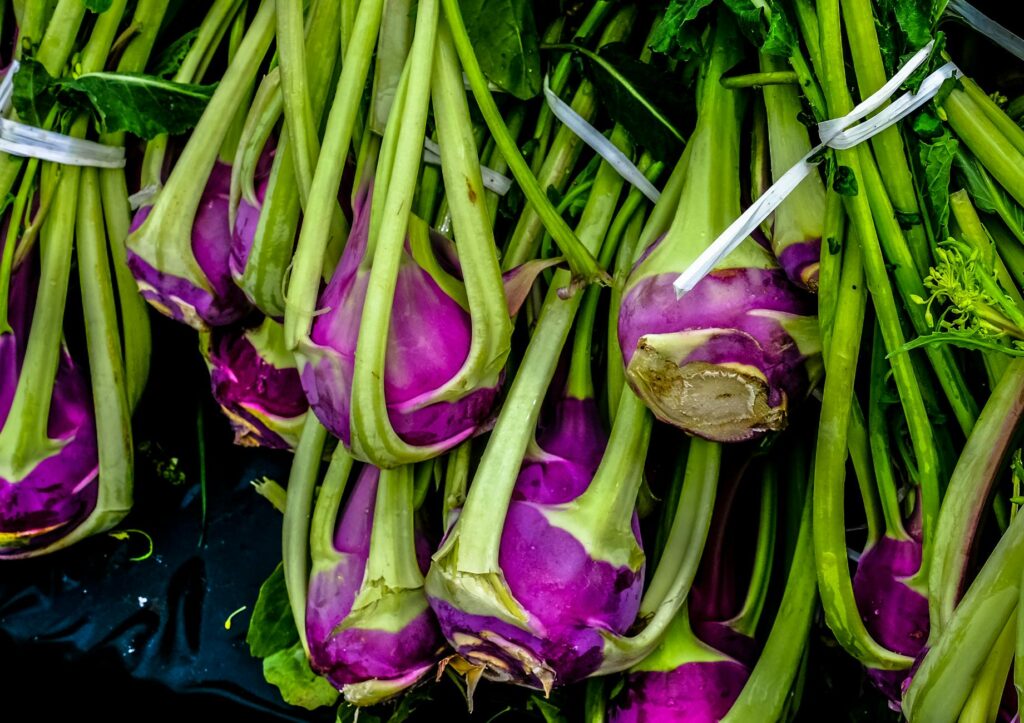
Kohlrabi, a cruciferous vegetable belonging to the Brassica family, is renowned for its unique flavor and versatility in culinary applications. As a member of the cabbage family, kohlrabi is characterized by its bulbous stem and leafy greens, which are often consumed in various forms. However, the quality of kohlrabi is significantly influenced by the climate in which it is grown. This article delves into the various climatic factors that affect the quality of kohlrabi, exploring its regions of cultivation, history, production, grading, and more.
What Is Regions?
Regions refer to specific geographic areas where certain agricultural practices and climatic conditions converge to create optimal growing environments for particular crops. In the case of kohlrabi, regions can be categorized based on climate, soil type, and farming techniques. These factors collectively determine the quality, flavor, and nutritional value of the vegetable.
Kohlrabi thrives in temperate climates, but its growth can vary dramatically based on local environmental conditions. Regions with cooler temperatures tend to produce kohlrabi with a firmer texture and sweeter taste, whereas warmer climates may yield softer and sometimes more fibrous produce. Understanding these regional differences is crucial for both growers and consumers seeking the highest quality kohlrabi.
History and Origins
Kohlrabi has a rich history that dates back to ancient Europe, particularly in the Mediterranean region. Historical records suggest that this vegetable was cultivated as early as the 1500s, with references found in both German and Italian texts. The name “kohlrabi” itself is derived from the German words “kohl,” meaning cabbage, and “rabi,” meaning turnip.
The vegetable gained popularity in Northern Europe, especially in Germany, where it became a staple food during the winter months. Its resilience to cold temperatures made it an ideal crop for cultivation in regions with harsh winters. Over time, kohlrabi spread to other parts of the world, including North America and Asia, adapting to various climatic conditions along the way.
Production and Processing
The production of kohlrabi is influenced heavily by climatic factors such as temperature, precipitation, and sunlight. Ideal growing conditions typically include cool temperatures between 50°F to 75°F (10°C to 24°C), well-drained soil rich in organic matter, and adequate moisture without excessive rainfall.
In regions with cooler climates, such as parts of Germany and the northern United States, kohlrabi can be grown in spring and fall, allowing for multiple harvests throughout the year. Conversely, in warmer climates, the growing season may be limited to early spring or late fall to avoid the heat, which can lead to bolting (premature flowering) and a decline in quality.
Farmers employ various agricultural practices to enhance kohlrabi production, including crop rotation, organic fertilization, and integrated pest management. These practices not only improve yield but also contribute to the overall quality of the vegetable. Post-harvest processing methods, such as washing, cutting, and packaging, must also be adapted to preserve the freshness and nutritional value of kohlrabi, which can be sensitive to temperature fluctuations.
Quality and Grading
The quality of kohlrabi is assessed based on several parameters, including size, shape, color, texture, and flavor. These characteristics are influenced by climatic factors and the specific growing conditions of the region. For instance, kohlrabi grown in cooler climates typically exhibits a sweeter flavor and a crisp texture, whereas those grown in warmer regions may develop a more fibrous consistency.
Grading systems for kohlrabi often categorize the vegetable into different classes. Premium grades are characterized by uniform size and shape, vibrant color, and a firm texture. Lower grades may exhibit blemishes, irregular shapes, or soft spots, indicating that they may have been exposed to suboptimal growing conditions.
Farmers and producers must be vigilant in monitoring the climatic conditions throughout the growing season to ensure that the kohlrabi meets the desired quality standards. Adverse weather events, such as drought or excessive rainfall, can significantly impact the final product’s quality, necessitating careful management practices.
Buying Considerations
When purchasing kohlrabi, consumers should consider several factors that can indicate quality. Look for bulbs that are firm and heavy for their size, with a smooth skin free from blemishes or soft spots. The leaves should be vibrant, fresh, and green, indicating that the kohlrabi has been recently harvested.
Understanding the growing region can also provide insight into the vegetable’s expected quality. Kohlrabi sourced from cooler climates is generally preferred for its sweet flavor and crisp texture. Additionally, purchasing from local farmers’ markets or reputable grocery stores can enhance the likelihood of obtaining high-quality kohlrabi, as these sources often prioritize freshness and sustainability.
Uses and Applications
Kohlrabi is a versatile ingredient in culinary applications, prized for its distinct flavor and crunch. It can be eaten raw in salads, pickled, roasted, or sautéed, serving as an excellent addition to stir-fries and vegetable medleys. Its mild taste allows it to blend well with various seasonings and accompaniments, making it a popular choice in both home and professional kitchens.
The quality of kohlrabi directly affects its culinary applications. High-quality kohlrabi retains its crunchiness and flavor, enhancing dishes and providing nutritional benefits. In contrast, lower-quality kohlrabi may become watery and mushy when cooked, compromising the overall dish.
Storage and Shelf Life
Proper storage is essential for maintaining kohlrabi’s quality after purchase. Ideally, kohlrabi should be stored in a cool, dark place, such as the refrigerator, in a perforated plastic bag to allow for ventilation. When stored correctly, kohlrabi can last up to two