
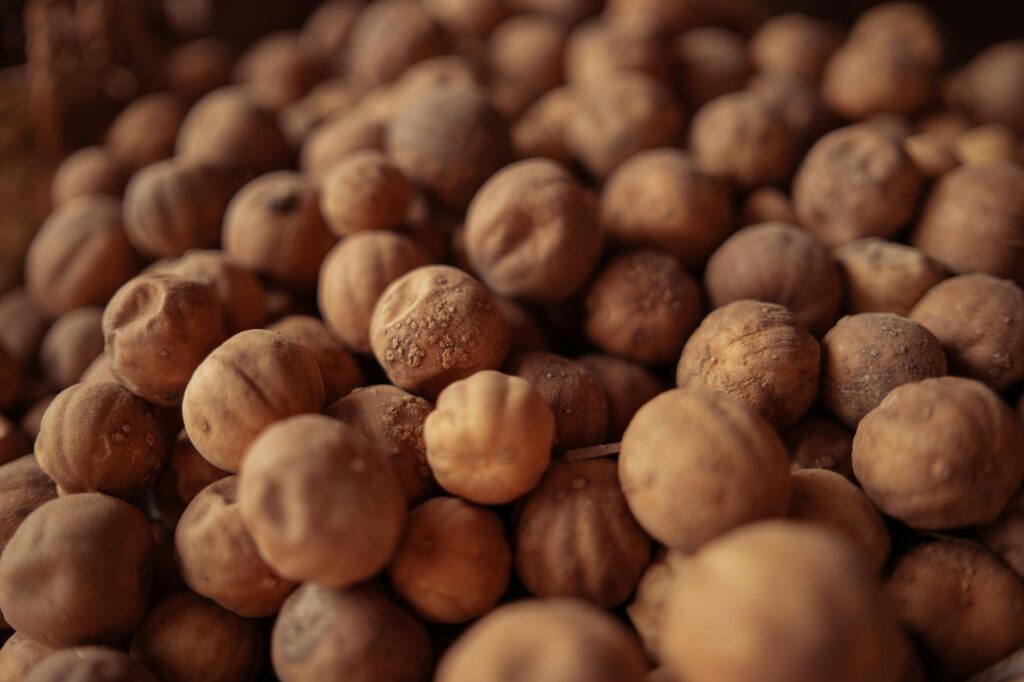
How Climate Affects Lemon Quality
Introduction
Lemons, with their bright yellow hue and zesty flavor, are a staple ingredient in kitchens across the globe. Beyond their culinary applications, lemons are celebrated for their versatility in cleaning, beauty, and medicinal uses. However, the quality of lemons is significantly influenced by the climate in which they are grown. This article explores how climate affects lemon quality, delving into various regions known for their lemon production, and examining the intricate relationship between environmental factors and the end product.
What Is Regions?
In the context of agriculture, “regions” refers to specific geographical areas characterized by unique climatic conditions, soil types, and agricultural practices. These regions play a pivotal role in determining the quality and characteristics of fruit crops, including lemons. The global lemon production landscape can be broadly categorized into distinct regions: the Mediterranean, the Americas, and parts of Asia. Each region possesses unique climatic attributes that influence the growth, flavor, and overall quality of lemons.
History and Origins
Lemons are believed to have originated in Southeast Asia, specifically in the regions of India, China, and Malaysia. They made their way to the Mediterranean through trade routes, where they were cultivated extensively by the Romans and Greeks. Over time, lemons spread to the Americas and other parts of the world through exploration and colonization.
Today, major lemon-producing countries include Mexico, the United States (particularly California), Argentina, and Spain. The climatic conditions in these regions have evolved, shaping the traits of lemons produced there. Understanding the historical context of lemon cultivation is essential to appreciate how climate influences their quality.
Production and Processing
Lemon production involves several stages, from planting and growing to harvesting and processing. The climate in a specific region dictates the timing and success of these stages.
Climate Factors Impacting Production
1. Temperature: Lemons thrive in subtropical to tropical climates, with optimal temperatures ranging from 20°C to 30°C (68°F to 86°F). Extreme cold can damage trees and fruit, while excessive heat can lead to sunburn and dehydration.
2. Rainfall: While lemons require adequate moisture, excessive rainfall can lead to root rot and fungal diseases. Conversely, insufficient rainfall can stunt growth and reduce fruit size.
3. Sunlight: Lemons require full sun exposure for optimal growth. Regions with long hours of sunlight often produce lemons with a higher sugar content and better flavor profiles.
4. Soil Quality: The type of soil in a region, including pH levels and nutrient availability, directly influences lemon quality. Well-drained, sandy loam soils are ideal for lemon cultivation.
Processing
After harvesting, lemons undergo processing, which includes washing, grading, and packaging. The quality of lemons is closely linked to how they are handled post-harvest. Regions that prioritize advanced agricultural practices and quality control measures tend to produce superior lemons.
Quality and Grading
Lemon quality is assessed based on several criteria, including size, color, firmness, and juice content. The USDA grading system categorizes lemons into three primary grades: U.S. Extra Fancy, U.S. Fancy, and U.S. No. 1.
Influences of Climate on Quality
- Size and Appearance: Regions with favorable growing conditions produce larger, more visually appealing lemons. The amount of sunlight and water directly influences the size and color of the fruit.
- Flavor Profile: The balance of acidity and sweetness in lemons is contingent on climatic conditions. For instance, lemons grown in warmer climates often exhibit a higher sugar content, leading to a more balanced and pleasant flavor.
- Shelf Life: Lemons from regions with optimal growing conditions tend to have a longer shelf life, attributed to firmer fruit texture and lower susceptibility to diseases.
- Culinary Uses: Lemons enhance flavor in dishes ranging from salads to desserts. Their juice and zest are widely used in cooking and baking.
- Beverages: Lemon is a key ingredient in drinks, including lemonade and cocktails. The quality of the lemon affects the overall taste profile of these beverages.
- Cleaning: The natural acidity of lemons makes them effective cleaning agents. They can be used to disinfect surfaces and remove stains.
- Beauty and Personal Care: Lemons are often found in skincare products for their brightening properties. The quality of lemons, influenced by climate, affects their efficacy in these applications.
- Temperature: Lemons should be stored in a cool, dry place. High temperatures can accelerate ripening and spoilage.
- Humidity: A humid environment can promote mold growth and decay. It’s essential to keep lemons in a well-ventilated area.
- Handling: Gentle handling during
Buying Considerations
When purchasing lemons, understanding the impact of climate on quality can guide consumers in selecting the best fruit. Here are key factors to consider:
1. Origin: Look for lemons grown in regions known for their quality production. For instance, California lemons are often favored for their vibrant flavor and juiciness.
2. Seasonality: Lemons have peak seasons, typically from late winter to early spring. Purchasing during these times often ensures better quality.
3. Visual Inspection: Select lemons that are firm, smooth, and free from blemishes. A shiny skin indicates freshness and proper handling.
4. Scent: Fresh lemons emit a bright, citrusy aroma. A lack of scent may indicate that the fruit is past its prime.
Uses and Applications
Lemons are incredibly versatile and find applications in various domains:
Storage and Shelf Life
The way lemons are stored can also impact their quality. Proper storage conditions can prolong the shelf life of lemons, which is typically around one to two weeks at room temperature and up to a month when refrigerated.