
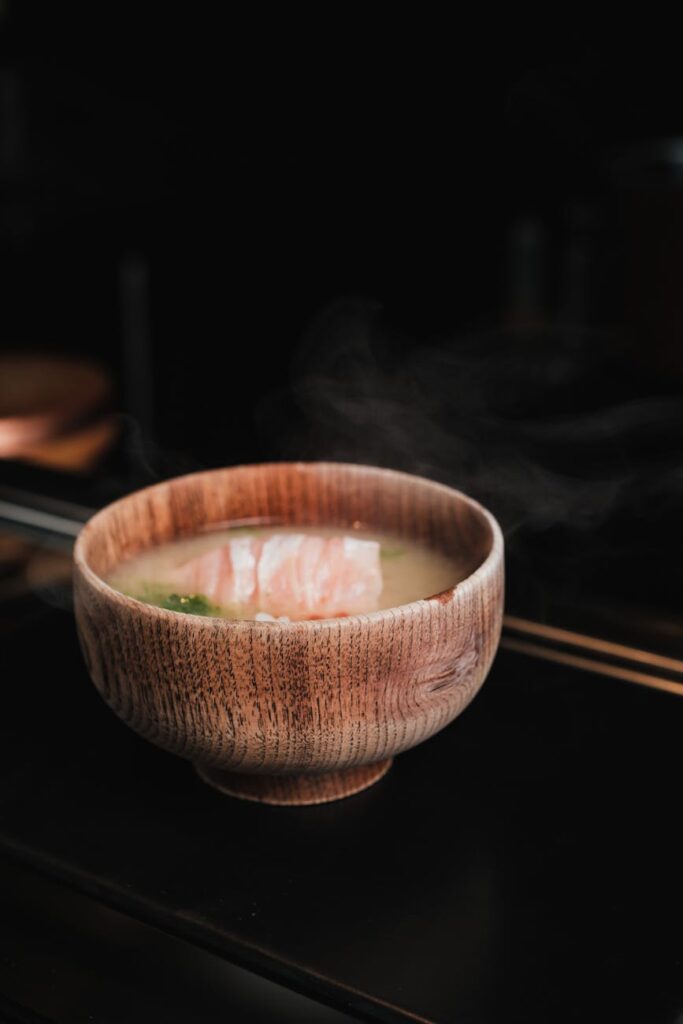
How Climate Affects Miso Shiru Quality
Introduction
Miso shiru, or miso soup, is a quintessential part of Japanese cuisine, celebrated for its rich umami flavor and versatility. At its core is miso, a fermented soybean paste that varies significantly in quality and taste depending on a variety of factors, among which climate plays a crucial role. This article delves into how climatic conditions influence the production, quality, and overall characteristics of miso shiru, providing insights into the regions where it is produced and the unique attributes imparted by their respective climates.
What Is Regions?
In the context of miso shiru, “regions” refers to the geographical areas where miso is produced, each characterized by distinct climatic conditions, soil types, and traditional methods of production. Japan, the birthplace of miso, has various regions known for their unique styles of miso, such as the earthy, darker varieties from the northern regions and the lighter, sweeter types from the south. Understanding these regional differences is essential for appreciating the diversity of flavors found in miso shiru.
History and Origins
The origins of miso can be traced back over a thousand years to ancient China, where it was created as a means to preserve food. It was introduced to Japan around the 7th century, evolving into a staple ingredient in Japanese households. The production of miso is deeply rooted in regional customs and practices, with each area developing its own techniques based on the local climate and available resources. For instance, the colder climates of Hokkaido favored the fermentation of heartier soybeans, while the milder temperatures in the south led to lighter, sweeter miso varieties.
Production and Processing
The production of miso involves several steps, including soaking, steaming, and fermenting soybeans, along with the addition of salt and koji mold (Aspergillus oryzae). Climate profoundly affects each of these stages.
1. Soaking and Steaming: The moisture content in the air influences how soybeans absorb water. In humid climates, beans might require less soaking time, while in drier regions, extended soaking may be necessary to achieve optimal texture.
2. Fermentation: This is where climate has the most pronounced effect. Fermentation is a delicate process that relies on specific temperatures and humidity levels to foster the growth of beneficial microorganisms. For example, regions with higher humidity levels tend to promote faster fermentation, leading to a more robust flavor profile. Conversely, in cooler climates, fermentation may take longer, resulting in a more complex flavor that develops over time.
3. Aging: The aging of miso can also be influenced by climate. Miso that is aged in cooler temperatures may develop deeper flavors, while warmer conditions can lead to faster aging and a lighter taste.
These variations make it essential for producers to adapt their methods according to their local environments, resulting in a rich tapestry of miso styles across Japan.
Quality and Grading
Miso is typically graded based on several criteria, including color, aroma, taste, and texture. Climate impacts these qualities significantly:
- Color: The fermentation process is sensitive to temperature and humidity, which can affect the final color of the miso. Miso from cooler regions often has a darker hue due to prolonged fermentation, while warmer climates yield lighter-colored varieties.
- Aroma: The development of aromatic compounds during fermentation is influenced by the local environment. Regions with abundant natural resources, like clean water and fresh air, produce miso with more complex and desirable aromas.
- Taste: The balance of sweet, salty, and umami flavors varies greatly based on climatic conditions. Regions with specific soil types and climates may yield soybeans that contribute unique flavors to the miso.
- Temperature: Miso should be stored in a cool, dark place, preferably in the refrigerator after opening. High temperatures can accelerate fermentation, leading to off-flavors.
- Humidity: Excess moisture can cause miso to spoil or develop mold. Proper sealing and storage
Grading systems, such as those used by the Japan Miso Promotion Board, categorize miso into types like white (shiro), red (aka), and mixed (awase), each representing different fermentation processes influenced by regional climates.
Buying Considerations
When purchasing miso, understanding the regional influences can help consumers make informed choices. Here are some factors to consider:
1. Origin: Research the region of production. Miso from colder regions like Hokkaido tends to be more robust, while those from warmer regions like Kyushu are often milder.
2. Type: Choose the type of miso based on its intended use. Darker miso may be better for hearty soups, while lighter miso complements delicate dishes.
3. Quality Indicators: Look for artisanal brands that emphasize traditional fermentation methods. These producers often take climatic conditions into account, which can enhance the quality of the miso.
4. Ingredient Transparency: Quality miso should list few ingredients—primarily soybeans, salt, and koji. Avoid brands with artificial additives, as these can detract from the natural flavors.
Uses and Applications
Miso shiru is not just a standalone soup; its applications extend into various culinary realms. The quality of miso used directly influences the outcome of the dish. High-quality miso shiru serves as a base for other ingredients, enhancing the flavors of vegetables, tofu, and seaweed.
In addition to traditional uses, miso has found its way into modern cuisine, appearing in marinades, salad dressings, and even desserts. Understanding how climate affects the taste profile can help chefs select the right miso for their culinary creations.
Storage and Shelf Life
Miso is a fermented product with a relatively long shelf life, but climate can affect its longevity and quality.