
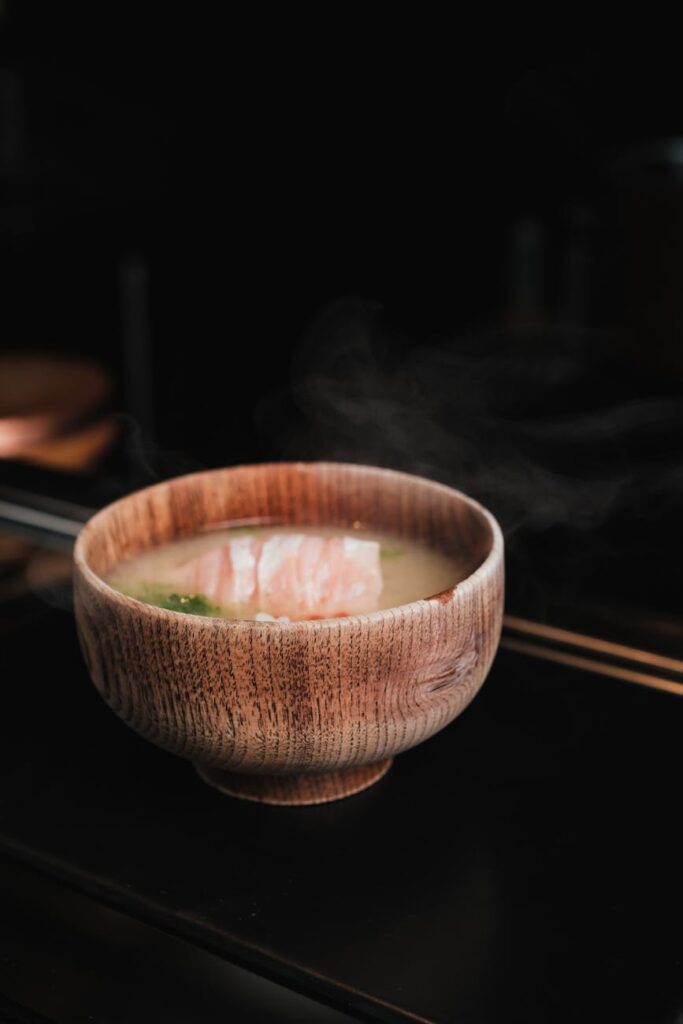
How Climate Affects Miso Soup Quality
Introduction
Miso soup, a staple of Japanese cuisine, is not only revered for its savory flavor and health benefits but also for its regional variations influenced by local climates. This article delves into the relationship between climate and the quality of miso soup, exploring its origins, production processes, and the impacts of geographical elements on its flavor profile.
What Is Regions?
The term “regions” in the context of miso soup refers to the diverse geographical areas where miso is produced, each with its unique characteristics. These regions are often defined by local climate conditions, agricultural practices, and cultural traditions that shape the ingredients used in miso soup. In Japan, for instance, the flavor and quality of miso vary significantly between the northern regions, such as Hokkaido, and the southern regions, like Kyushu. Understanding these regional influences is essential for appreciating the nuances of miso soup.
History and Origins
Miso has a rich history that dates back over a thousand years, believed to have been introduced to Japan from China during the Nara period (710-794). Initially used as a preservative, it evolved into a culinary staple. The regional differences in climate across Japan significantly influenced the types of grains available for miso production—soybeans, rice, and barley, among others. These ingredients, combined with local fermentation techniques, contributed to the development of distinct regional varieties of miso, from the lighter, sweeter miso of the south to the darker, saltier varieties of the north.
Production and Processing
The production of miso soup involves several stages, each impacted by climate. The basic ingredients include miso paste, dashi (broth), and various additions like tofu, seaweed, and vegetables.
Fermentation
Fermentation is a critical process in miso production, where the ambient temperature and humidity play a crucial role. In warmer climates, fermentation occurs more rapidly, often resulting in a sweeter miso. Conversely, cooler regions may yield a slower fermentation process, leading to a richer, deeper flavor profile.
Ingredient Sourcing
The quality of ingredients used in miso production varies by region, influenced by climate conditions. For example, soybeans cultivated in the fertile plains of Hokkaido produce a hearty, robust miso, while the delicate rice from the warmer Kyushu region leads to a lighter flavor. The choice of koji (mold used for fermentation) is also affected by local weather patterns, as different koji strains thrive under varying climatic conditions.
Quality and Grading
The quality of miso is often assessed through grading systems that consider factors such as color, aroma, taste, and texture. Climate impacts these characteristics significantly:
- Color: Miso can range from white to red to black, with the color often reflecting the fermentation time and the specific ingredients used. Warmer climates may produce lighter, sweeter miso due to faster fermentation.
- Aroma: A well-aged miso will emit a complex aroma that varies by region. Humidity levels can affect the intensity of these aromas, with drier climates often yielding more concentrated scents.
- Taste: The balance of sweetness, saltiness, and umami in miso is heavily influenced by the regional climate, affecting how flavors develop during fermentation.
- White Miso (Shiro Miso): Typically found in warmer regions, this sweet miso is ideal for dressings and lighter soups.
- Red Miso (Aka Miso): Common in northern areas, it offers a more robust flavor, making it suitable for hearty dishes.
- Mixed Miso: Some producers blend miso varieties, allowing for a unique flavor profile that captures the essence of multiple regions.
- Soups and Broths: The foundation of miso soup, where the flavor and quality of the miso are paramount.
- Marinades: Miso can add depth to marinades for meats and vegetables, with the choice of miso affecting the overall taste.
- Dressings and Dips: Miso’s creamy texture and complex flavor make it an excellent ingredient for dressings, where lighter varieties can add brightness.
- Refrigeration: Most miso should be stored in the refrigerator to slow down fermentation and preserve its flavor. Warmer climates may require more careful monitoring to prevent spoilage.
- Shelf Life: Unopened miso can last for years, while opened containers should be consumed within a few months. The specific type of miso and local climates can influence its longevity.
Buying Considerations
When purchasing miso, consider the regional origin and its climate impact. Different miso types will suit various culinary applications:
Additionally, look for artisanal brands that prioritize traditional methods and local ingredients, ensuring a higher quality product.
Uses and Applications
Miso soup serves as a versatile base for numerous dishes, with its quality influenced by the climate of the miso’s origin. High-quality miso can enhance:
The climate’s influence on ingredients further determines how miso interacts with other flavors, making regional knowledge essential for culinary applications.
Storage and Shelf Life
Proper storage of miso is crucial to maintaining its quality. The ideal conditions depend on the type of miso and its regional characteristics:
Always check for any changes in color or aroma, as these can indicate that the miso has begun to spoil.
Common Misconceptions
Miso Is Just for Soup
While miso is a key ingredient in miso soup, its uses extend far beyond. It can enhance the flavor of marinades, dressings, and even desserts, showcasing its versatility.
All Miso Tastes the Same
Miso varies significantly based on its regional origins and the climate in which it is produced. Each type offers distinct flavors and uses, challenging the notion that all miso is interchangeable.