
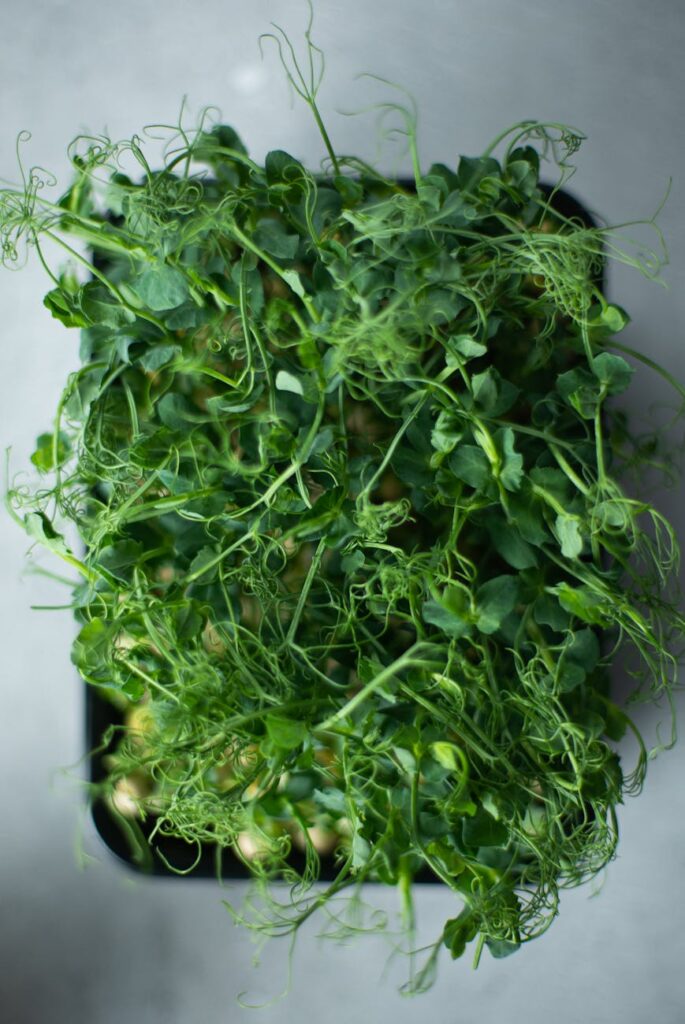
How Climate Affects Pea Shoots Quality
Introduction
Pea shoots, the tender young shoots of the pea plant (Pisum sativum), are a vibrant and nutritious addition to a variety of dishes. With a delicate flavor and crisp texture, they have captured the attention of chefs and home cooks alike. However, the quality of pea shoots is significantly influenced by the climate in which they are grown. This article delves into the intricate relationship between climate and the quality of pea shoots, exploring their regions of cultivation, historical origins, production methods, grading standards, and more.
What Is Regions?
Regions refer to the specific geographical areas where pea shoots are cultivated. These regions can vary widely in terms of climate, soil composition, and agricultural practices. The primary growing conditions—temperature, moisture, sunlight, and soil quality—play a crucial role in determining the characteristics of the pea shoots, including their flavor, texture, and nutritional profile.
Regions known for pea shoot cultivation include temperate zones, particularly in North America, Europe, and parts of Asia. Each of these areas offers distinct environmental conditions that influence the growth of the plants. For instance, the cool, moist climate of the Pacific Northwest in the United States fosters a particularly sweet flavor in pea shoots, while the drier climates of the southwestern U.S. can produce tougher, less tender shoots.
History and Origins
The pea plant has a rich history that dates back thousands of years. Domesticated in the Near East around 6,000 BCE, peas have been a staple food source throughout history. While the practice of consuming pea shoots has gained popularity in recent years, particularly in culinary circles, the practice has ancient roots. In many cultures, young pea shoots were traditionally harvested for their delicate flavor and tender texture.
The cultivation of pea plants spread throughout Europe and Asia, with varying climatic conditions leading to different varieties. In regions with cooler climates, such as the northern parts of Europe, pea shoots were often grown in spring and early summer, taking advantage of the short growing seasons. In contrast, warmer regions allowed for extended growing periods, resulting in different flavors and textures.
Production and Processing
The production of pea shoots involves careful cultivation and harvesting. Farmers typically sow pea seeds in well-drained soil, ensuring that the plants receive adequate sunlight and moisture. The ideal growing temperature for pea shoots ranges from 55°F to 75°F (13°C to 24°C). In cooler climates, pea shoots can be grown in greenhouses to extend the growing season, while warmer regions may require shading to prevent the plants from bolting, or flowering prematurely.
Harvesting pea shoots is a delicate process. Shoots are typically harvested when they are 2 to 6 inches tall, at which point they are tender and flavorful. The quality of the shoots can be severely impacted by environmental stresses. For example, excessive heat can lead to wilting, while inadequate sunlight can result in weaker, spindly plants. Additionally, moisture levels must be carefully monitored; too much water can promote fungal diseases, while too little can hinder growth.
After harvesting, pea shoots are often washed, trimmed, and packaged for distribution. The processing methods used can further affect the quality. For instance, shoots that are handled gently and packed in breathable containers tend to retain their freshness longer than those that are roughly handled or tightly packed.
Quality and Grading
The quality of pea shoots is evaluated based on several criteria, including flavor, texture, color, and overall appearance. Shoots should be vibrant green, tender to the touch, and crisp when bitten into. A high-quality pea shoot will have a mild, slightly sweet flavor, free from bitterness or off-tastes.
Grading standards often classify pea shoots as premium, choice, or standard, with premium shoots being the most desirable. Factors influencing grading include the size and uniformity of the shoots, the absence of blemishes, and the overall freshness. Harvest timing plays a crucial role in these assessments, as shoots harvested at their peak quality will invariably rank higher in grading.
Climate conditions directly influence these quality parameters. For instance, pea shoots grown in regions with consistent moisture and moderate temperatures tend to achieve better flavor profiles and textural qualities than those grown in areas with extreme temperature fluctuations or inconsistent watering.
Buying Considerations
When purchasing pea shoots, it is essential to consider several factors to ensure the highest quality. Buyers should look for vibrant green shoots that are firm and crisp. Avoid shoots that appear wilted or have yellowing leaves, as these are indicators of age or poor handling.
Seasonality also plays a role in availability and quality. Pea shoots are typically at their best during spring and early summer, aligning with their natural growing cycle. Purchasing from local farmers’ markets or reputable suppliers can often yield fresher and higher-quality shoots.
Additionally, consider the region of origin. Pea shoots from cooler climates, such as those grown in the Pacific Northwest or northern Europe, may offer superior flavor compared to those from hotter, less ideal environments. Understanding where the shoots come from can help in making informed purchasing decisions.
Uses and Applications
Pea shoots are versatile and can be used in various culinary applications. Their mild flavor and crisp texture make them suitable for salads, sandwiches, and as garnishes for soups and entrees. They are often utilized in Asian cuisine, where they are stir-fried or used in spring rolls.
In addition to their culinary uses, pea shoots are increasingly recognized for their nutritional value. They are rich in vitamins A, C, and K, as well as folate and dietary fiber. This makes them not only a flavorful addition to dishes but also a healthful one.
Culinary professionals often emphasize the importance of quality when using pea shoots. The subtle flavor can easily be overshadowed by more robust ingredients, so selecting high-quality shoots is essential for achieving a balanced dish.
Storage and Shelf Life
Proper storage is critical for maintaining the