
How Climate Affects Persimmons Quality
Introduction
Persimmons, the vibrant orange fruit of the genus Diospyros, have a rich history and a diverse range of applications in culinary arts and beyond. The quality of persimmons is significantly influenced by various climatic factors, including temperature, humidity, and seasonal variations. Understanding how these elements impact the characteristics of persimmons is essential for growers, distributors, and consumers alike. This article delves into the regions where persimmons thrive, exploring their history, production practices, grading standards, and practical considerations for buying and storing these delectable fruits.
What Is Regions?
In the context of persimmons, “regions” refers to the geographical areas where persimmons are cultivated, each exhibiting distinct climatic conditions that influence the fruit’s quality and characteristics. The two primary species cultivated are the Asian persimmon (Diospyros kaki) and the American persimmon (Diospyros virginiana).
Climatic Zones
Persimmons flourish in temperate climates, typically found in regions with a clear distinction between seasons. They require warm summers to facilitate fruit development and a period of cold dormancy during winter. Key regions for persimmon cultivation include:
- East Asia: Particularly in countries like South Korea, Japan, and China, where cultural significance and diverse varieties enhance the fruit’s prominence.
- North America: Predominantly in the southeastern United States, where the climate allows for successful cultivation of the American persimmon.
- Mediterranean Regions: Certain parts of southern Europe have also begun to cultivate persimmons, adapting to their unique climatic conditions.
- Size: Adequate sunlight and nutrient availability often lead to larger fruit.
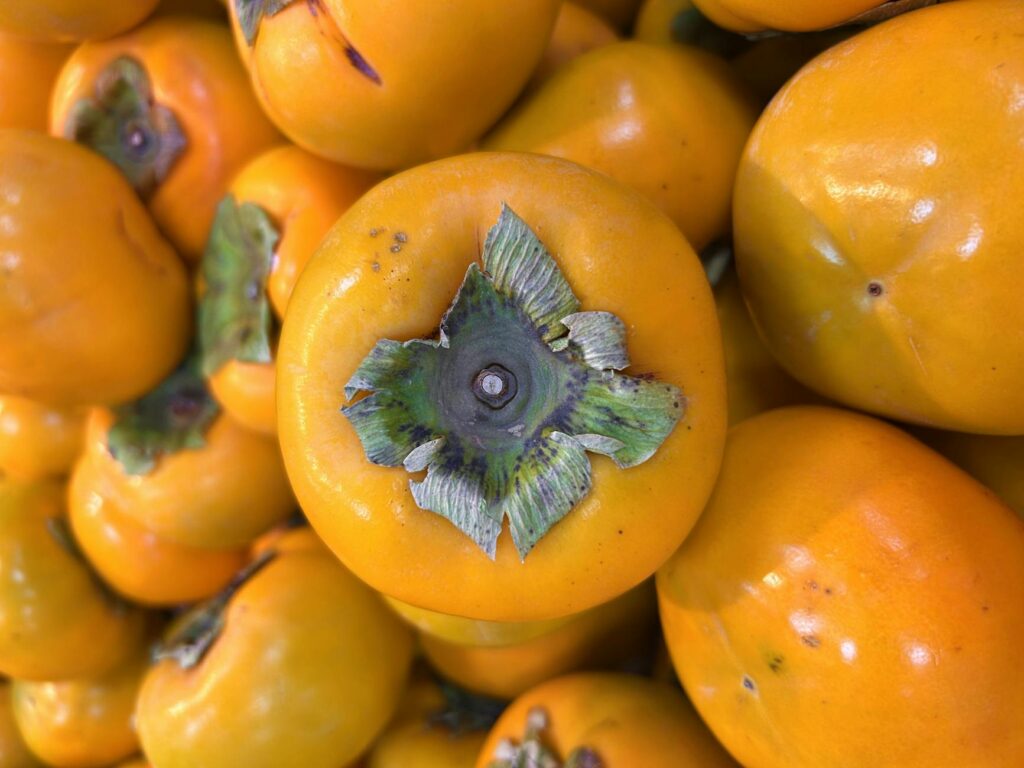
- Color: Warm temperatures and adequate moisture contribute to vibrant coloration, which is a crucial quality indicator.
- Firmness and Sugar Content: The balance of sugar and acidity, often enhanced by seasonal temperature variations, plays a vital role in determining flavor.
History and Origins
The history of persimmons can be traced back thousands of years. The Asian persimmon is believed to have originated in China over 2,000 years ago and was later introduced to Japan and Korea, where it became an integral part of the agricultural landscape. The American persimmon, on the other hand, is native to the eastern United States and has been utilized by Indigenous peoples for centuries.
Cultural Significance
In East Asia, persimmons are not only a staple food but also hold cultural significance. They are often featured in festivals and traditional celebrations, symbolizing happiness and prosperity. This cultural backdrop has contributed to the development of numerous cultivars, each adapted to specific local climates.
Production and Processing
The production of persimmons is a meticulous process that requires an understanding of climatic conditions, soil types, and agricultural practices.
Cultivation Practices
Persimmons thrive in well-drained, sandy loam soils enriched with organic matter. Farmers often employ techniques such as grafting to develop superior varieties and improve disease resistance. Proper irrigation is crucial, particularly in drier climates, as persimmons are sensitive to water stress.
Harvesting
The timing of fruit harvest is critical to ensure optimal quality. Persimmons must be harvested at the right stage of ripeness; if picked too early, they remain astringent, while late harvesting may lead to overripeness and spoilage. Climatic factors, such as temperature and rainfall, significantly influence the timing and quality of the harvest.
Post-Harvest Processing
After harvesting, persimmons undergo various processing stages to enhance their quality and shelf life. These may include washing, sorting, and packing. In regions with high humidity, additional steps like refrigeration may be necessary to prevent spoilage and maintain freshness.
Quality and Grading
The quality of persimmons is assessed based on several factors, including size, color, firmness, and sugar content.
Grading Standards
Persimmons are typically graded into categories such as “Extra Fancy,” “Fancy,” and “No. 1,” with higher grades indicating superior quality. The grading process is influenced by climatic conditions during the growing season:
Buying Considerations
When purchasing persimmons, several factors should be taken into account to ensure quality and desirability.
Varietal Differences
Understanding the differences between varieties is essential. Asian persimmons, such as Fuyu and Hachiya, offer distinct flavors and textures. Fuyus are typically sweet and non-astringent, while Hachiyas require full ripening to achieve palatability. The regional climate where these varieties are grown can significantly impact their flavor profiles and overall quality.
Seasonal Availability
Persimmons have a relatively short harvest season, typically from late summer to early winter. Consumers should be aware of the regional availability to ensure they are purchasing fruits at their peak quality.
Inspection Tips
When selecting persimmons, look for fruits that are firm to the touch and free from blemishes or soft spots. The skin should be smooth and vibrant in color, indicating optimal ripeness.
Uses and Applications
Persimmons are versatile fruits utilized in a variety of culinary applications.
Culinary Uses
In addition to being enjoyed fresh, persimmons can be dried, baked, or incorporated into salads, desserts, and sauces. Their unique flavor profile, which balances sweetness with subtle tartness, makes them an excellent addition to both sweet and savory dishes.
Cultural and Medicinal Uses
In various cultures, persimmons are also used in traditional dishes and rituals. Their dried form is often featured in festive meals, while the fruit’s astringent properties have historically been utilized in folk remedies, though this aspect is not the focus of this article.
Storage and Shelf Life
The storage conditions of persimmons are crucial for maintaining their quality post-harvest.
Ideal Storage Conditions
Persimmons should be stored in a cool, dry place. For optimal freshness, refrigeration is recommended