
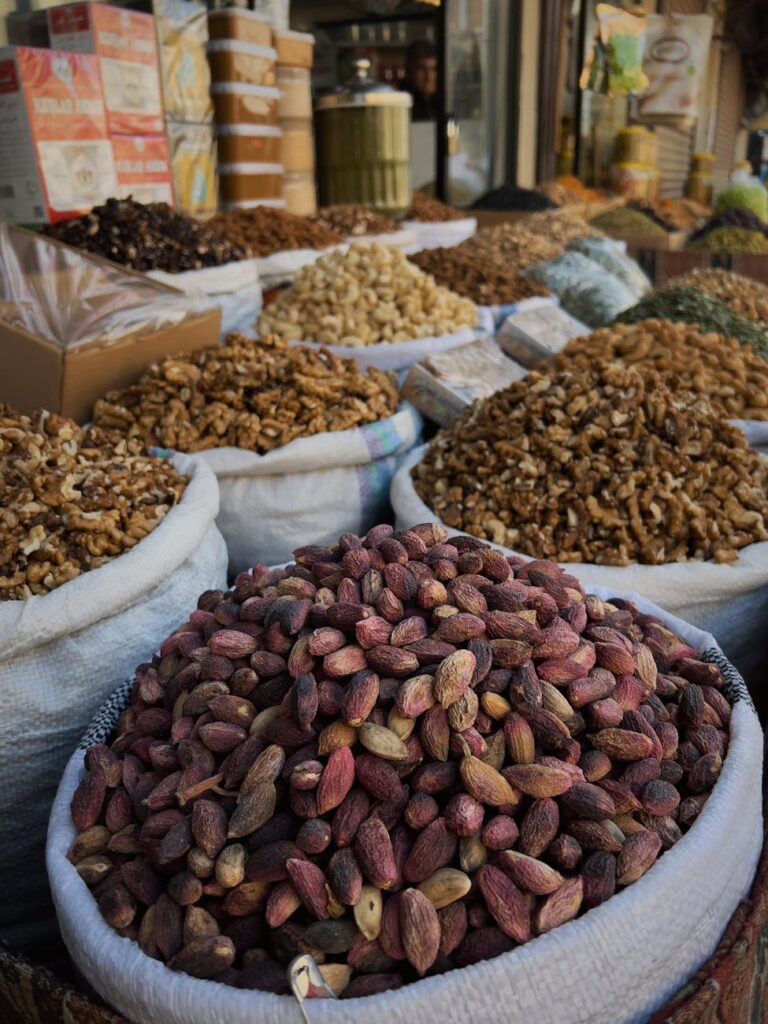
How Climate Affects Pistachios Quality
Introduction
Pistachios, with their unique flavor profile and versatility, have become a favorite ingredient in culinary applications worldwide. Their quality is influenced by several factors, one of the most significant being the climate in which they are grown. This article aims to explore how climatic conditions affect the quality of pistachios, examining how different regions impact their taste, texture, and overall quality.
What Is Regions?
In the context of horticulture and agriculture, “regions” refers to specific geographic areas where plants are cultivated, each characterized by distinct climatic conditions, soil types, and cultural practices. For pistachios, the primary regions include the Mediterranean Basin, parts of the United States, particularly California, and regions in Iran and Turkey. Each of these areas contributes uniquely to the characteristics of the pistachios produced, influenced by local climate, altitude, and soil composition.
History and Origins
Pistachios have a rich history that dates back thousands of years. Native to Central Asia and the Middle East, they have been cultivated for centuries, initially thriving in the arid climates of these regions. The ancient Persians were among the first to cultivate pistachios, and they valued the nuts for their flavor and nutritional benefits. Over time, the cultivation of pistachios spread to various parts of the world, adapting to different climatic conditions while maintaining their unique qualities.
In the 20th century, California emerged as a significant producer of pistachios, benefiting from its Mediterranean climate that mimics the nut’s native growing conditions. The expansion of pistachio farming in California has made the United States one of the largest producers globally, significantly influencing the market and availability of high-quality pistachios.
Production and Processing
Pistachios thrive in regions with hot, dry summers and cool winters, conditions typical of Mediterranean climates. The growth cycle of pistachios is sensitive to climate; they require a minimum number of chilling hours during winter to produce flowers effectively in spring. Additionally, adequate water supply during the growing season is crucial, as pistachios are drought-tolerant but still require sufficient moisture for optimal nut development.
Once harvested, the processing of pistachios involves several steps, including drying and shelling. The quality of the nuts during processing can be affected by climatic conditions. For instance, high humidity levels during harvest can lead to mold growth, adversely affecting the nuts’ flavor and marketability. Conversely, dry conditions are ideal for preserving the quality of the nuts during the drying process.
Quality and Grading
The quality of pistachios is primarily assessed through grading systems that consider size, shell integrity, and color. The American Pistachio Growers Association has established grading standards that classify pistachios into various categories based on these criteria. Climatic factors play a crucial role in determining these qualities:
- Size: Pistachios grown in optimal climates tend to be larger and more uniform in size. Regions with consistent temperatures and low humidity levels often yield nuts that are more robust and less prone to splitting.
- Shell Integrity: Nuts grown in regions with extreme temperature fluctuations may exhibit weaker shells, impacting their marketability. A well-formed shell is not only aesthetically pleasing but also protects the nut inside.
- Color and Flavor: The climatic conditions during the growing season influence the nut’s flavor and coloration. Nuts exposed to ample sunlight tend to develop a richer flavor profile, while those grown in shadier or more humid conditions may lack the same depth of taste.
- Culinary Dishes: Used in salads, rice dishes, and as a garnish, pistachios add a delightful crunch and flavor.
- Confectionery: Ground pistachios are often used in desserts such as baklava, ice creams, and pastries, enhancing both taste and presentation.
- Savory Snacks: Roasted and salted pistachios are popular as a snack, providing a healthy alternative to processed snacks.
- Oil Production: Pistachio oil, derived from cold-pressing the nuts, is prized for its flavor and is used in dressings and marinades.
- Cool, Dry Place: Store pistachios in a cool, dry area away from direct sunlight. Exposure to heat and light can accelerate rancidity.
- Airtight Containers: Using airtight containers helps to minimize exposure to moisture and air, which can lead to spoilage
Buying Considerations
When purchasing pistachios, understanding the influence of climate on quality can aid in making informed choices. Here are some key considerations:
1. Origin: Look for information on where the pistachios were grown. Nuts from regions known for their favorable climatic conditions, such as California or parts of the Mediterranean, often offer superior quality.
2. Harvest Date: Freshness is key. Check packaging for harvest dates to ensure you’re buying recently harvested nuts, as older nuts may have diminished flavor and texture.
3. Processing Method: Prefer pistachios that have been minimally processed. Overly processed nuts can lose their natural flavor and health benefits.
4. Grading: Familiarize yourself with the grading standards. Higher grades typically signify better quality in terms of size, shell integrity, and flavor.
5. Packaging: Opt for pistachios sold in airtight packaging to preserve freshness and prevent exposure to moisture, which can lead to spoilage.
Uses and Applications
Pistachios are a versatile ingredient in both savory and sweet culinary applications. Their unique flavor and texture make them suitable for various uses:
The quality of pistachios directly affects their utility in these applications, with higher quality nuts offering superior taste and texture.
Storage and Shelf Life
The shelf life of pistachios is influenced by climatic conditions both during and after processing. Proper storage is crucial to maintaining their quality. Here are some guidelines: