
How Climate Affects Pomegranate Seeds Quality
Introduction
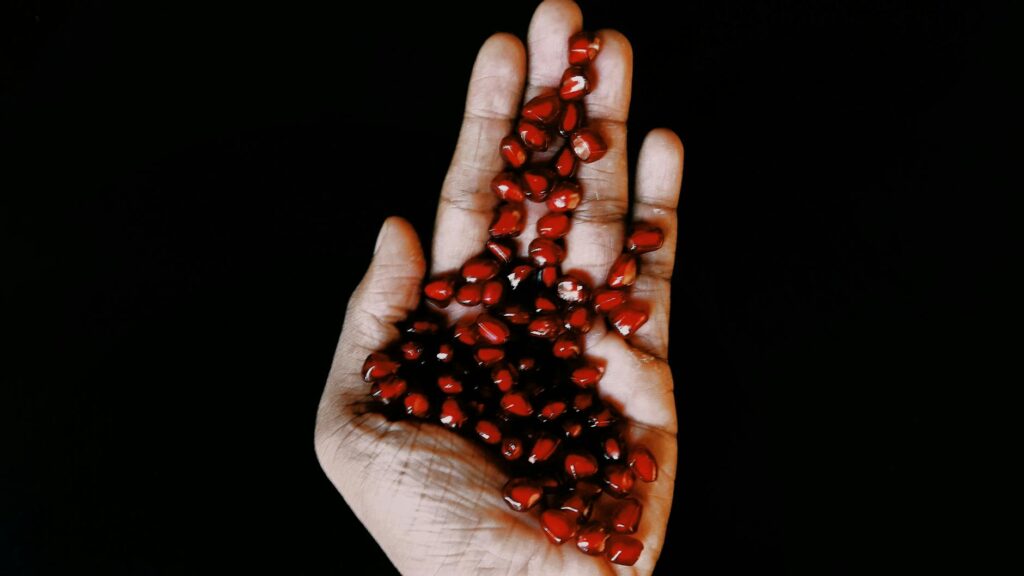
Pomegranate seeds, the jewel-like arils of the pomegranate fruit, have gained immense popularity worldwide for their vibrant flavor, nutritional benefits, and versatility in culinary applications. While the seeds themselves are a culinary delight, their quality is inextricably linked to the climate and regional conditions in which they are grown. This article delves into how various climatic factors influence the quality of pomegranate seeds, exploring the regions where they thrive, their historical significance, production methods, and more.
What Is Regions?
The term “regions” in the context of pomegranate seeds refers to the geographical areas where pomegranates are cultivated. These regions possess unique climatic conditions, soil types, and agricultural practices that significantly impact the quality of the fruit and its seeds. Understanding these regional differences helps elucidate why pomegranate seeds from one area may differ in taste, texture, and nutritional value compared to those from another.
History and Origins
The pomegranate (Punica granatum) is believed to have originated in the arid regions of the Middle East, particularly in modern-day Iran and surrounding areas. Historical records indicate that pomegranates have been cultivated for thousands of years, with references found in ancient texts, including the Bible and various mythologies. As trade routes expanded, the fruit made its way to other parts of the world, including the Mediterranean, India, and eventually the Americas.
The adaptability of the pomegranate to various climates has allowed it to flourish in diverse regions. Today, major pomegranate-producing countries include India, Iran, the United States (specifically California), Turkey, and Spain. Each of these regions contributes distinct characteristics to the pomegranate seeds produced, shaped by their unique climatic conditions.
Production and Processing
Pomegranate cultivation requires specific climatic conditions that facilitate optimal growth. The plant thrives in areas with warm, dry summers and mild winters. Regions with excessive humidity or prolonged rainfall can adversely affect fruit quality.
Climate Factors Affecting Production
1. Temperature: Pomegranates prefer temperatures between 70°F (21°C) and 85°F (29°C) during the growing season. Higher temperatures can enhance sweetness, while cooler climates may result in less flavorful fruit.
2. Rainfall: Pomegranates are drought-tolerant and flourish in arid conditions. Excessive rainfall can lead to fruit splitting and increased susceptibility to diseases. Regions with well-drained soil and limited rainfall during harvest time yield superior quality seeds.
3. Soil Type: Well-drained, sandy loam soils are ideal for pomegranates. Nutrient-rich soils contribute to the fruit’s flavor profile and seed quality.
Processing Techniques
Once harvested, pomegranates must be processed carefully to preserve the quality of the seeds. The typical processing steps include:
- Washing: Freshly harvested pomegranates are washed to remove dirt and contaminants.
- Juicing: In commercial settings, pomegranates may be juiced, and the seeds can be extracted for various uses.
- Packaging: Proper packaging is crucial for maintaining freshness and preventing spoilage during transportation.
- Source: Look for seeds sourced from reputable regions known for high-quality pomegranates, such as California or the Middle East.
- Freshness: Fresh seeds should be plump and firm, with a vibrant color. Avoid any that appear wilted or discolored.
- Packaging: For packaged seeds, check for airtight seals to prevent spoilage and maintain freshness.
- Certifications: Seek out organic or sustainably sourced certifications, which often indicate higher quality and better farming practices.
- Culinary Uses: They can be used as a garnish for salads, desserts, and savory dishes, or incorporated into juices and smoothies.
- Beverages: Pomegranate juice is a popular drink known for its refreshing taste and health benefits.
- Culinary Arts: In some cuisines, pomegranate seeds are used in traditional dishes, enhancing flavor and visual appeal.
Quality and Grading
The quality of pomegranate seeds is evaluated based on several factors, including color, size, taste, and nutritional content. Regions known for high-quality pomegranates often employ specific grading systems to ensure only the best seeds reach consumers.
Factors Influencing Quality
1. Color: High-quality pomegranate seeds are typically deep red or ruby-colored, indicating ripeness and flavor intensity.
2. Size: Larger seeds are often considered more desirable, as they yield more juice and have a better mouthfeel.
3. Taste: The balance of sweetness and acidity is crucial; seeds from regions with optimal growing conditions are usually more flavorful.
4. Nutritional Content: Climate and soil conditions can also affect the nutritional profile of pomegranate seeds, including antioxidant levels and vitamins.
Buying Considerations
When purchasing pomegranate seeds, various factors should be taken into account to ensure quality:
Uses and Applications
Pomegranate seeds are incredibly versatile, finding their way into various culinary applications:
Storage and Shelf Life
Proper storage is essential to maintain the quality of pomegranate seeds. Fresh seeds should be refrigerated and consumed within a week for optimal flavor and texture. If stored correctly—ideally in an airtight container—they can last up to two weeks. For longer storage, freezing pomegranate seeds is an effective method that preserves their quality for several months.
Common Misconceptions
Despite their popularity, several misconceptions about pomegranate seeds persist:
1. All Pomegranates are the Same: Not all pomegranates are created equal; regional differences can lead to significant variations in flavor and quality.
2. Seeds are Only for Eating: While often consumed fresh, pomegranate seeds also have culinary applications, such as in sauces, dressings, and beverages.
3. Pomegranate