
How Climate Affects Radicchio Quality
Introduction
Radicchio, with its vibrant colors and distinct bitter flavor, has gained recognition as a gourmet ingredient in various cuisines worldwide. This chicory family member thrives in specific climatic conditions, which significantly influence its quality, taste, and texture. Understanding how climate affects radicchio can lead to better cultivation practices, improved culinary applications, and more informed purchasing decisions. This article delves into the various aspects of radicchio, from its origins to its uses, while emphasizing the crucial role climate plays in its quality.
What Is Regions?
In the context of radicchio, “regions” refers to the geographical areas where it is cultivated, each characterized by unique climatic conditions, soil types, and agricultural practices. These regions can drastically impact the growth cycle of radicchio, determining its flavor profile, nutritional value, and overall quality. Italy is the most prominent producer of radicchio, particularly in the Veneto region, but it also thrives in other parts of Europe and North America.
Understanding these regions and their specific climatic conditions can help growers optimize their cultivation techniques and consumers appreciate the diverse offerings of this fascinating vegetable.
History and Origins
Radicchio’s origins can be traced back to the Mediterranean region, particularly Italy, where it has been cultivated for centuries. Historical texts reveal that radicchio was prized by ancient Roman and Venetian nobility for its unique flavor and aesthetic appeal. Over time, various cultivars have emerged, including Radicchio di Chioggia, Treviso, and Castelfranco, each with its distinctive characteristics shaped by their native climates.
The cultivation of radicchio spread beyond Italy as global culinary trends evolved, allowing this versatile ingredient to find its way into kitchens and markets worldwide. With this expansion, understanding how different climates affect radicchio’s quality became crucial for farmers and chefs alike, ensuring that the ingredient retains its culinary integrity.
Production and Processing
Radicchio is predominantly grown in temperate climates that provide the right balance of sunlight, moisture, and cool temperatures. The production process begins with selecting the ideal variety suited for the specific region. For instance, the Treviso variety flourishes in cooler temperatures, while Chioggia can tolerate slightly warmer conditions.
Climate Influences on Growth
1. Temperature: Radicchio thrives in cooler conditions, typically between 60°F and 70°F (15°C to 21°C). Excessively high temperatures can lead to bolting, where the plant flowers prematurely, resulting in a bitter taste and poor texture.
2. Humidity: Adequate moisture is essential for radicchio’s development. Regions with high humidity can promote healthy growth, but excessive moisture can lead to fungal diseases. Conversely, drought conditions can stress the plants, affecting their size and flavor.
3. Soil Quality: The nutrient composition and drainage capacity of the soil are crucial for radicchio cultivation. Regions with well-drained, loamy soils rich in organic matter tend to produce higher-quality radicchio.
Harvesting and Processing
Once harvested, radicchio undergoes careful processing to maintain its quality. This includes washing, trimming, and packaging. The timing of the harvest is critical; radicchio should be picked when it is fully mature but before it begins to bolt. Post-harvest handling in controlled environments can further enhance its quality by preserving freshness.
Quality and Grading
The quality of radicchio is determined by several factors, including size, color, firmness, and taste. Grading systems vary by region but generally categorize radicchio into different classes based on these criteria.
Factors Influencing Quality
1. Color: High-quality radicchio exhibits vibrant colors, ranging from deep red to purple, often with white veins. The intensity of color is often an indicator of the plant’s health and flavor.
2. Texture: Fresh radicchio should feel firm and crisp. Overripe or poorly stored radicchio can become limp and lose its appealing texture.
3. Flavor: The ideal radicchio strikes a balance between bitterness and sweetness. Flavor profiles can vary significantly depending on the climatic conditions during growth, with cooler climates typically producing radicchio with a more robust flavor.
Grading Systems
In Italy, radicchio is often graded using a system that categorizes the vegetable into different classes—Extra, Class I, and Class II—based on the quality parameters mentioned above. These classifications help consumers make informed choices when purchasing radicchio.
Buying Considerations
When purchasing radicchio, several factors should be taken into account to ensure quality:
1. Seasonality: Radicchio is typically in season from late fall to early spring. Buying in season can significantly enhance quality and flavor.
2. Source: Look for radicchio from reputable growers or local farmers’ markets. Produce certified as organic or grown in ideal climates is likely to offer superior quality.
3. Appearance: Choose radicchio that is firm, brightly colored, and free from blemishes or soft spots. Freshness is key to maintaining flavor and texture.
4. Storage Conditions: Understanding how radicchio has been stored and transported can also inform quality. Ideally, it should be kept in a cool, dark place to prolong its shelf life.
Uses and Applications
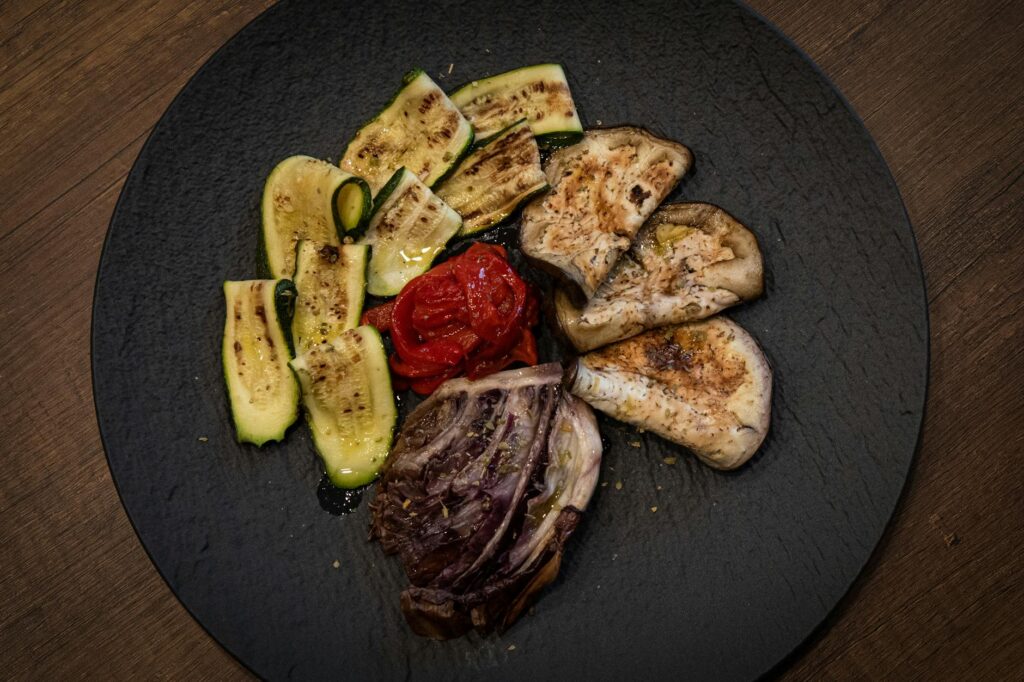
Radicchio is a versatile ingredient that can be used in various culinary applications. Its unique flavor profile enhances salads, pastas, and grilled dishes. Additionally, it can be pickled or roasted, allowing its natural bitterness to mellow and develop a rich, complex taste.
In gourmet cooking, radicchio is often paired with sweet ingredients such as fruits or honey to create a balanced dish. Chefs appreciate its aesthetic appeal and ability to provide visual contrast, making it a popular choice in upscale dining.