
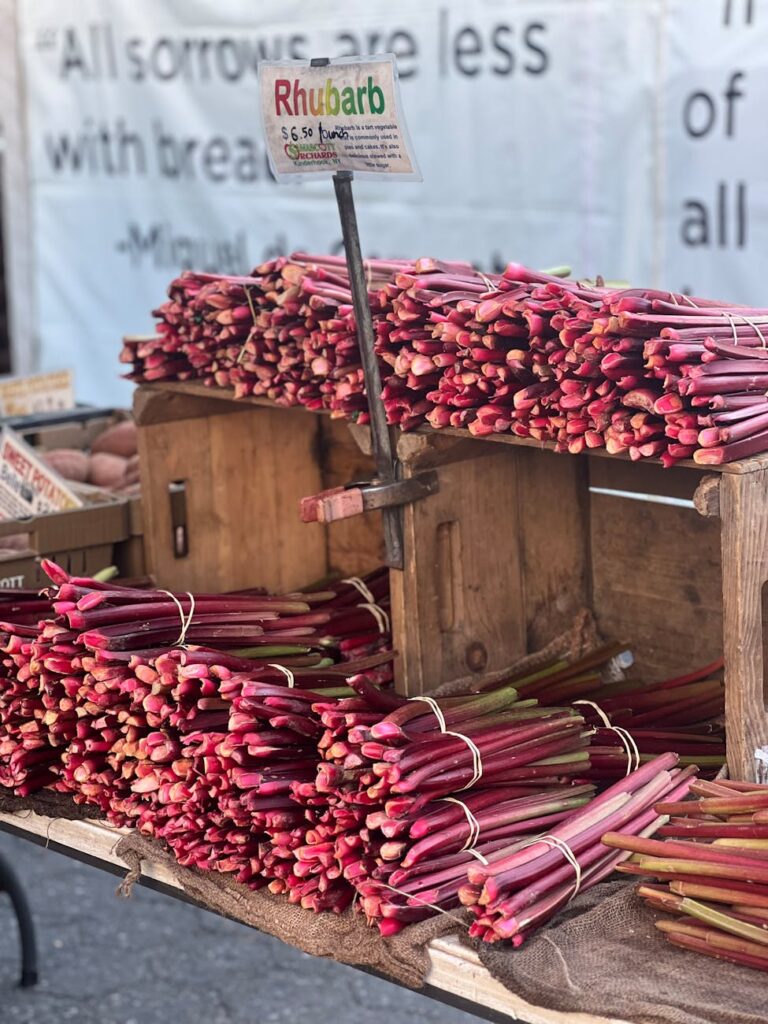
How Climate Affects Rhubarb Quality
Introduction
Rhubarb, often celebrated for its tart flavor and vibrant color, is a perennial vegetable that has gained a prominent place in culinary traditions across the globe. While its culinary applications range from pies to jams, the quality of rhubarb is significantly influenced by the climate in which it is grown. Understanding the interplay between climate and rhubarb quality is essential for both producers and consumers who seek to appreciate this unique ingredient fully.
What Is Regions?
In the context of rhubarb, “regions” refers not only to the geographical locations where rhubarb is cultivated but also to the specific climate conditions, soil types, and local agricultural practices that shape the quality of the crop. These regions can greatly influence factors such as flavor, texture, and overall market value. Rhubarb thrives in temperate climates, and its quality varies significantly depending on environmental conditions, making it crucial to understand the characteristics of key growing regions.
History and Origins
Rhubarb has a rich history that dates back thousands of years, with origins believed to be in Asia. The first known cultivation took place in China, where rhubarb was primarily valued for its medicinal properties rather than culinary uses. It wasn’t until the 18th century that rhubarb gained popularity in Europe as a food ingredient, particularly in England, where it became a staple in desserts.
Over time, various cultivars of rhubarb were developed, leading to the rise of significant growing regions, such as the United Kingdom and the United States. In North America, the first commercial rhubarb production occurred in the late 19th century. Today, regions known for rhubarb cultivation include parts of the Midwest in the U.S., as well as Canada and Europe, each contributing to the rich diversity of flavors and textures found in this vegetable.
Production and Processing
Rhubarb is primarily produced in regions with a temperate climate, characterized by cold winters and warm summers. Ideal growing conditions include well-drained, fertile soil rich in organic matter, and consistent moisture. These conditions are often found in areas such as the Midwest of the United States, where rhubarb can be cultivated from early spring until late fall.
The production process begins with the selection of healthy rhubarb crowns, which are planted in early spring. Climate plays a significant role in determining the timing of planting, growth rates, and harvest schedules. The length of the growing season, dictated by climatic conditions, will also affect the size and overall quality of the rhubarb stalks.
Once harvested, rhubarb undergoes processing that may include washing, trimming, and packaging. The processing methods can vary by region and are often influenced by local market demands. For instance, some regions may focus on fresh market sales, while others may prioritize frozen or canned rhubarb products.
Quality and Grading
Rhubarb quality is assessed based on several criteria, including size, color, and firmness. Climate significantly impacts these attributes. For example, rhubarb grown in regions with cooler temperatures and longer daylight hours may develop a more vibrant color and firmer texture. Additionally, the sugar content in rhubarb, which contributes to its flavor profile, is influenced by temperature fluctuations during the growing season.
Grading standards vary by region; however, common classifications include U.S. No. 1, U.S. No. 2, and U.S. No. 3, with No. 1 being the highest quality. Factors such as uniformity in size, absence of blemishes, and overall freshness play a crucial role in determining the grade of rhubarb. Producers in various regions often adhere to these standards to maintain market competitiveness.
Buying Considerations
When purchasing rhubarb, consumers should consider several factors that can be influenced by climate and region. Freshness is paramount; rhubarb should be firm and crisp, with vibrant color indicative of high quality. The seasonality of rhubarb also affects availability; in temperate regions, rhubarb is typically harvested from late spring to early summer.
Local farmers’ markets can be excellent sources of high-quality rhubarb, allowing consumers to ask about growing practices and the specific region from which the rhubarb originates. Organic certifications may also provide insight into cultivation methods, which can influence taste and quality.
Moreover, consumers should be aware of the differences in flavor profiles among various regional varieties. For instance, rhubarb from the Midwest is often noted for its intense tartness, while varieties from the Pacific Northwest may be milder and sweeter. Understanding these regional nuances can enhance culinary applications and overall satisfaction.
Uses and Applications
Rhubarb is a versatile ingredient used in a wide array of culinary applications. Its tartness makes it an ideal candidate for desserts such as pies, crumbles, and tarts, where it is often paired with sweeteners like sugar or honey. Additionally, rhubarb can be used in savory dishes, where its acidity can balance rich flavors.
Beyond traditional uses, rhubarb is also finding its way into modern culinary creations, such as cocktails, sauces, and even salads. The versatility of rhubarb, combined with its unique flavor profile, allows it to shine in both classic and contemporary dishes.
The quality of rhubarb can significantly influence its application in culinary arts. For instance, high-quality, firm stalks are ideal for pies, where structure is essential, while softer stalks may be better suited for sauces or compotes.
Storage and Shelf Life
Proper storage is critical to maintaining rhubarb quality after purchase. Fresh rhubarb should be kept refrigerated, ideally wrapped in a damp paper towel and placed in a plastic bag to retain moisture without becoming soggy. When stored correctly, rhubarb can last for about one to two weeks.
If rhubarb is not consumed within this timeframe, freezing is an excellent option. To freeze