
How Climate Affects Romanesco Quality
Introduction
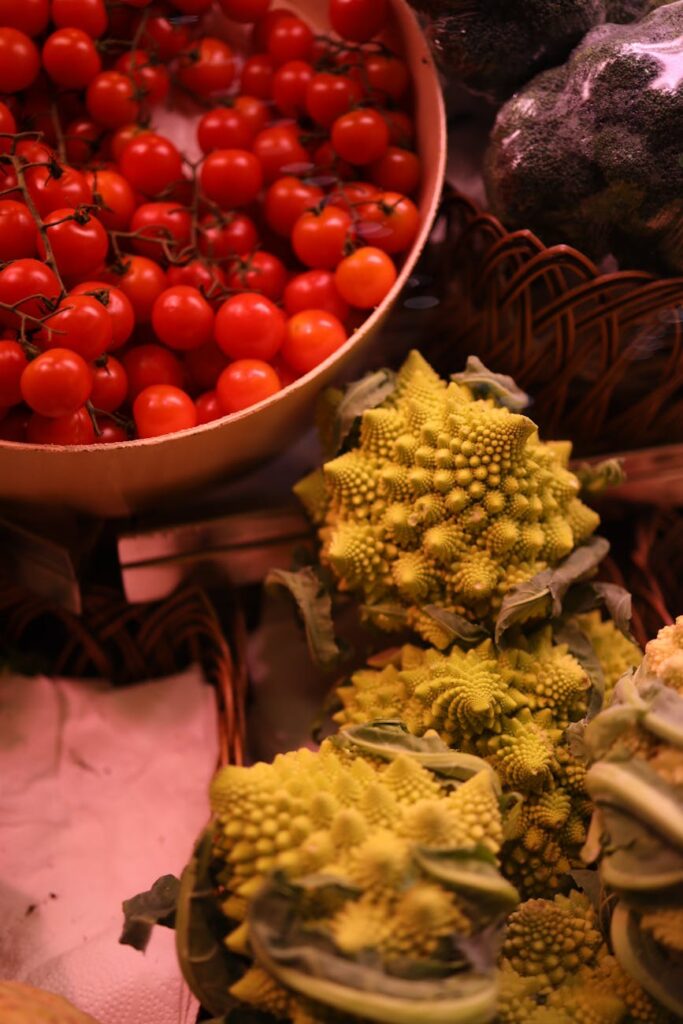
Romanesco, a visually striking vegetable known for its vibrant lime-green color and intricate fractal patterns, has captured the attention of chefs and home cooks alike. This member of the Brassica family, which also includes cauliflower and broccoli, is not only a feast for the eyes but also offers a delicate flavor profile and a range of culinary applications. However, the quality of Romanesco is significantly influenced by the climate in which it is grown. Understanding these climatic factors is essential for farmers, distributors, and consumers alike, as they play a crucial role in determining the vegetable’s taste, texture, and overall quality.
What Is Regions?
The term “regions” in the context of Romanesco refers to the geographical areas where this vegetable is cultivated. Each region has distinct climatic conditions—temperature, precipitation, humidity, and soil type—that affect how Romanesco develops. Understanding these regional nuances helps stakeholders in the agricultural and culinary world appreciate the variations in quality and flavor that can arise from different growing conditions.
History and Origins
Romanesco has its roots in the Mediterranean region, particularly in Italy, where it has been cultivated since the late 16th century. Initially known as “broccolo romanesco,” the vegetable gained popularity for its unique appearance and flavor. It was later introduced to other parts of Europe and eventually made its way to the United States and other global markets. As cultivation spread, different regions adapted their growing techniques and conditions, leading to a variety of Romanesco cultivars.
The historical significance of Romanesco extends beyond its culinary uses; it has been a symbol of agricultural innovation and adaptation in the face of changing climates. Farmers have learned to select specific cultivars suited to their local conditions, ultimately influencing the vegetable’s flavor profile and texture.
Production and Processing
The production of Romanesco is highly influenced by climate. This vegetable thrives best in cooler temperatures, typically between 60°F and 70°F (15°C and 21°C). Regions with mild winters and moderate summers are particularly suitable for growing high-quality Romanesco.
Climate Conditions
- Temperature: Romanesco is sensitive to temperature fluctuations. Extreme heat can cause the heads to bolt or become tough, while frost can damage the crop. Regions like California and parts of Europe, including Italy and France, provide the ideal temperature ranges.
- Humidity: Moderate humidity levels are crucial for the healthy growth of Romanesco. Excessive moisture can lead to disease, while too little can stress the plant, affecting its quality.
- Soil Quality: Well-draining, fertile soils rich in organic matter contribute to better flavor and texture. The soil’s pH level should ideally be between 6.0 and 7.0.
- Size: High-quality Romanesco heads are typically between 5 to 7 inches in diameter.
- Color: A vibrant, uniform green is a sign of freshness. Any discoloration may indicate age or poor growing conditions.
- Firmness: The heads should feel solid and compact. Soft or loose heads are often a sign of over-maturity or stress during the growing process.
- Seasonality: Romanesco is typically in season from late summer to early winter, depending on the region. Knowing when to buy can help in selecting the freshest produce.
- Source: Understanding where the Romanesco is grown can provide insights into its quality. Local markets often feature vegetables that are fresher and potentially of higher quality than those shipped from afar.
- Organic vs. Conventional: Organic Romanesco may offer superior flavor and quality, as it is often grown under more stringent agricultural practices. However, conventionally grown Romanesco can also be of high quality, depending on the region and farming methods.
- Salads: Its striking appearance makes it a beautiful addition to salads, providing a crunchy texture and mild flavor.
- Roasting: Roasting enhances its natural sweetness and adds depth to its flavor.
- Stir-fries: Romanesco absorbs flavors well, making it an excellent choice for stir-fried dishes.
- Garnishing: Its unique shape lends itself to creative garnishing, enhancing the visual appeal of dishes.
- Refrigeration: Romanesco should be kept in the vegetable crisper of the refrigerator, ideally unwashed and wrapped in a
Harvesting and Processing
Once harvested, Romanesco requires careful handling due to its delicate structure. The heads should be harvested when they are firm and compact, typically before the buds start to open. After harvesting, the vegetables are often processed quickly to maintain freshness. This usually includes washing, trimming, and packing for distribution. The processing methods can also vary by region, with some areas employing organic practices while others may use conventional methods.
Quality and Grading
The quality of Romanesco is assessed based on several factors, including size, color, and firmness. The grading system varies by market but generally includes:
Regional climatic conditions play a significant role in these quality indicators. For example, Romanesco grown in cooler climates tends to have a more robust flavor and firmer texture than that grown in hotter, more humid regions.
Buying Considerations
When purchasing Romanesco, consumers should consider several factors to ensure they are selecting the highest quality product:
Uses and Applications
Romanesco is a versatile vegetable that can be used in various culinary applications. Its unique texture and flavor profile make it suitable for both raw and cooked dishes. Common uses include:
The choice of preparation method can also impact how the climate affects the flavor. For instance, Romanesco grown in cooler regions tends to have a sweeter flavor, making it ideal for roasting or serving raw.
Storage and Shelf Life
Proper storage is crucial for maintaining the quality of Romanesco. When stored correctly, it can last for up to a week or more. Here are some guidelines: