
How Climate Affects Tamarind Quality
Introduction
Tamarind (Tamarindus indica) is a tropical fruit known for its unique sweet and tangy flavor, widely used in cuisines around the globe. Its distinct taste and versatile applications make it a staple ingredient in various dishes, beverages, and condiments. However, the quality of tamarind is significantly influenced by the climate of the regions in which it is cultivated. This article explores the intricate relationship between climate and the quality of tamarind, shedding light on its origins, production, grading, and storage.
What Is Regions?
The term “regions” in the context of tamarind refers to the various geographical areas where the tree is grown. These regions often have distinct climatic conditions, soil types, and agricultural practices that can greatly affect the fruit’s size, flavor, and overall quality. Tamarind thrives in tropical and subtropical climates, with optimal growth conditions found in regions such as Southeast Asia, Africa, and parts of Latin America.
History and Origins
Tamarind is believed to have originated in the African tropics before spreading to the Indian subcontinent and other parts of the world. Historical texts suggest that tamarind was known to ancient civilizations, including Egyptians and Greeks, who valued it for both culinary and medicinal purposes. As trade routes expanded, tamarind made its way to Asia and the Americas, becoming an integral part of local cuisines.
The climate of its native regions played a crucial role in shaping the characteristics of tamarind. In Africa, the warm temperatures and minimal rainfall contributed to a specific flavor profile, while the monsoon-driven climates of India influenced the fruit’s sweetness and acidity.
Production and Processing
Tamarind trees flourish in well-drained, sandy soils and require substantial sunlight. The ideal climate for tamarind cultivation includes temperatures ranging from 25 to 30 degrees Celsius (77 to 86 degrees Fahrenheit) and minimal frost. Regions that experience these conditions produce high-quality tamarind.
The harvesting process is labor-intensive, usually occurring when the pods turn brown and begin to dry. After harvesting, the pods are processed to extract the pulp, which can be used in various culinary applications. The processing methods—ranging from manual extraction to industrial techniques—also depend on regional practices and available technology, affecting the final product’s quality.
Quality and Grading
Tamarind quality is often assessed based on several factors, including color, texture, aroma, and flavor. The grading system typically categorizes tamarind into different quality classes, which can vary from region to region.
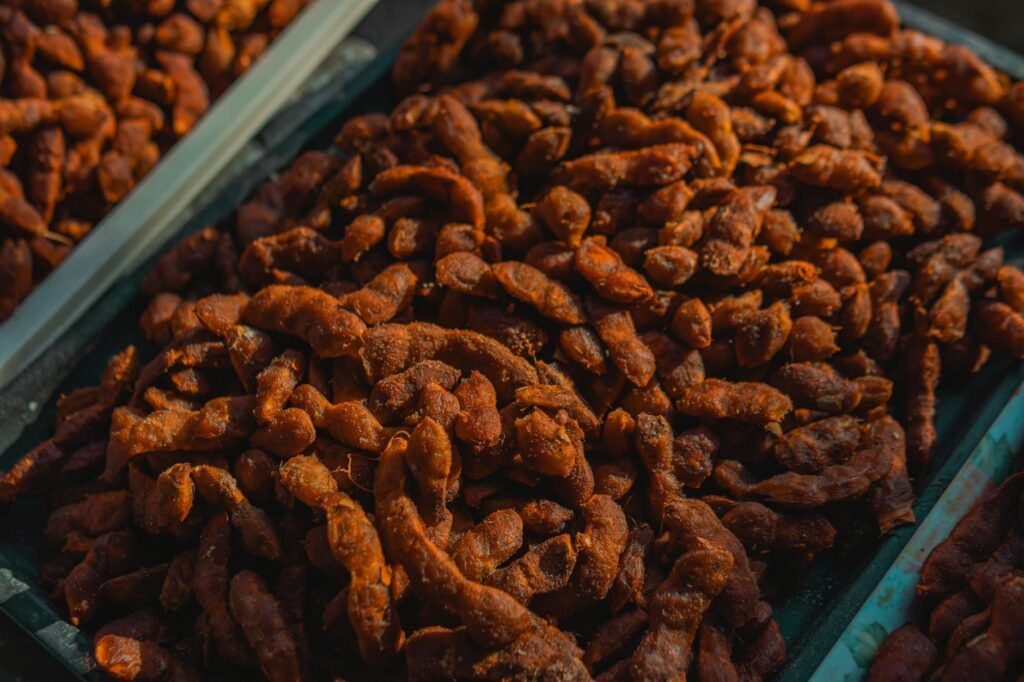
1. Color: High-quality tamarind should have a rich, dark brown color. Lighter shades may indicate immaturity or poor ripening conditions.
2. Texture: The pulp should be smooth and free of hard seeds or fibers. The climate influences the fruit’s moisture content, which in turn affects its texture.
3. Aroma: A strong, pleasant aroma is a hallmark of high-quality tamarind. Climate factors like humidity can affect the fruit’s volatile compounds responsible for its scent.
4. Flavor: The balance of sweetness and acidity is crucial. Regions with optimal rainfall and sunlight tend to produce tamarind with a more harmonious flavor profile.
Understanding these grading criteria is essential for consumers and producers alike, as it influences market value and consumer satisfaction.
Buying Considerations
When purchasing tamarind, it is essential to consider its origin, as the climatic conditions of the growing region can significantly impact quality. Consumers should look for tamarind that is:
- Fresh and Intact: Ensure that the outer shell of the tamarind pods is undamaged and the pulp is not overly dry or hard.
- Source: Familiarize yourself with reputable suppliers known for quality. Regions like India and Thailand are often associated with superior tamarind.
- Packaging: Proper packaging can help maintain the quality of tamarind. Look for vacuum-sealed or airtight containers that limit exposure to air and moisture.
- Sauces and Pastes: Tamarind is a key ingredient in many Asian sauces, including pad Thai and various chutneys.
- Beverages: Tamarind juice is popular in many cultures, providing a refreshing drink that balances sweetness and tartness.
- Confectionery: The fruit is often used in sweets, where its flavor complements sugar and spices.
- Marinades: Its acidity makes tamarind an excellent tenderizer for meats, enhancing the overall taste of grilled or roasted dishes.
- Fresh Pods: Keep them in a cool, dry place, preferably in a paper bag to allow for airflow. They can last for up to six months.
- Pulp: Tamarind pulp should be stored in an airtight container in the refrigerator, where it can remain fresh for about two to three weeks. For longer storage, freezing the pulp is recommended, which can extend its shelf life to six months or more.
Buying tamarind in its pod form can often ensure better quality, as the pods protect the pulp from environmental factors that can degrade its quality.
Uses and Applications
Tamarind’s unique flavor makes it a versatile ingredient in many culinary applications. It is commonly used in:
The applications of tamarind are extensive, and its versatility is influenced by the quality derived from climatic conditions during cultivation.
Storage and Shelf Life
Proper storage is vital to maintain the quality of tamarind. When stored correctly, tamarind can last for several months:
Incorrect storage can lead to mold growth or loss of flavor, underscoring the importance of understanding how climate affects not only cultivation but also post-harvest handling.
Common Misconceptions
Despite its popularity, several misconceptions about tamarind persist:
1. All Tamarind Is the Same: Many assume that all