
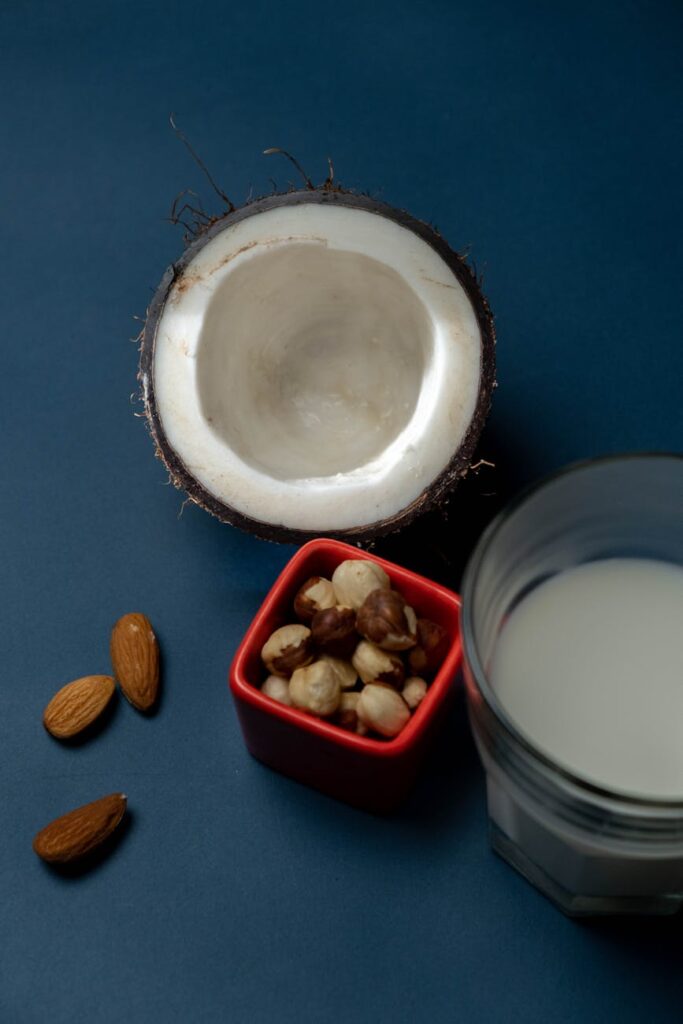
How Coconut Milk Is Farmed Commercially
Introduction
Coconut milk, a creamy and versatile ingredient derived from the flesh of coconuts, is widely used in various cuisines around the world. Its rich flavor and unique texture make it a popular choice in both savory and sweet dishes. Understanding how coconut milk is farmed commercially provides insights into the agricultural practices and processing methods that contribute to this beloved ingredient. This article will explore the growing of coconuts, the history of their cultivation, production and processing techniques, quality standards, and much more.
What Is Growing?
In the context of food production, “growing” refers to the cultivation and harvesting of agricultural products. For coconut milk, this process begins with the growth of the coconut palm (Cocos nucifera), which thrives in tropical climates. These palms can grow up to 30 meters tall, with a crown of large, feathery fronds. The fruit of the coconut palm is the coconut itself, which is a drupe rather than a true nut.
The cultivation of coconut palms involves careful attention to soil conditions, climate, and agricultural practices to ensure optimal fruit production. The palms typically start bearing fruit at around 6 to 10 years of age and can continue to produce coconuts for up to 80 years under ideal conditions.
History and Origins
The coconut palm is believed to have originated in the Indo-Malay region, with archaeological evidence suggesting its presence in this area for thousands of years. Historical records indicate that coconuts were spread by ancient mariners and traders, reaching as far as Africa, the Americas, and the Pacific Islands.
In many cultures, coconuts are considered a vital part of daily life, not only for their culinary uses but also for their applications in traditional medicine, cosmetics, and construction. Coconut milk has been used in Asian cuisine for centuries, with its use becoming more widespread in Western countries in recent decades due to the rise of interest in plant-based diets and alternative cooking practices.
Production and Processing
Cultivation
Coconut palms thrive in well-drained sandy or loamy soil with adequate moisture and sunshine. Farmers often plant coconuts in rows to facilitate maintenance and harvesting. The palms require regular watering, especially during dry seasons, and careful pest and weed management to protect the health of the trees.
Harvesting
Coconuts are typically harvested by skilled workers who climb the trees using ropes or specialized equipment. Harvesting is usually done every 30 to 45 days, ensuring that coconuts are picked at the right maturity level. Mature coconuts contain the white flesh and water needed for coconut milk production.
Processing
Once harvested, coconuts undergo several steps to extract the milk:
1. Husking: The outer fibrous husk is removed to reveal the hard shell containing the coconut flesh and water.
2. Cracking: The shells are cracked open, and the liquid coconut water is separated from the flesh.
3. Flesh Extraction: The white flesh is carefully removed from the shell, either by hand or using mechanical tools.
4. Grating: The flesh is grated into small pieces to facilitate the extraction of milk.
5. Milk Extraction: The grated coconut is mixed with warm water, and the mixture is then kneaded to release the milk. This can be done manually or with the help of machines. The mixture is then strained through cheesecloth or a fine mesh to separate the liquid from the solid husk.
6. Pasteurization: The extracted milk is often pasteurized to kill any bacteria and extend its shelf life.
7. Packaging: Once pasteurized, the coconut milk is packaged in cans, cartons, or bottles for distribution.
Quality and Grading
The quality of coconut milk can vary significantly based on several factors, including the maturity of the coconuts used, the extraction process, and the presence of additives. Commercial producers often adhere to strict quality control standards to ensure that their coconut milk meets consumer expectations.
Grading Standards
Coconut milk is generally graded based on its fat content, flavor, and appearance. High-quality coconut milk typically contains a higher percentage of fat, resulting in a creamier texture and richer flavor. The grading may also consider whether the milk is pure or contains additives such as thickeners or preservatives.
Buying Considerations
When purchasing coconut milk, consumers should consider several factors to ensure they are getting a quality product:
- Ingredients: Look for products that list coconut and water as the primary ingredients. Avoid those with artificial additives or excessive preservatives.
- Fat Content: Depending on the intended use, consumers may prefer either full-fat or light coconut milk. Full-fat coconut milk is richer and creamier, while light versions may contain less fat and calories.
- Packaging: Opt for products in BPA-free cans or cartons, as this can impact the quality and safety of the milk.
- Certifications: Look for organic certifications or fair-trade labels to ensure ethical sourcing and sustainable farming practices.
- Canned Coconut Milk: Unopened canned coconut milk can last for several years if stored in a cool, dry place. Once opened, it should be transferred to a sealed container and refrigerated, where it will remain fresh for about 5 to 7 days.
- Boxed Coconut Milk: Similar to canned, unopened boxed coconut milk can be stored for long periods. Once opened, it should also be refrigerated and consumed within 7 to 10 days.
- Fresh Coconut Milk: Freshly made coconut milk has the shortest shelf life and should be used within 2 to 3 days if refrigerated.
Uses and Applications
Coconut milk is a versatile ingredient used in a wide range of culinary applications. It serves as a base for soups, curries, sauces, and desserts. In addition to traditional Asian dishes, coconut milk has gained popularity in vegan and vegetarian cooking as a dairy substitute. It can also be used in smoothies, baked goods, and beverages such as piña coladas and coconut lattes.
Storage and Shelf Life
The shelf life of coconut milk varies based on its form—canned, boxed, or fresh.
Common Misconceptions
Despite its popularity, coconut milk is often surrounded by misconceptions. Here are a few clarifications:
1. Coconut Milk vs. Coconut Water: Coconut milk is made from the flesh of the coconut, while coconut water is the liquid found inside a young, green coconut. They serve different culinary purposes and have distinct flavor profiles.
2. Non-Dairy Status: While coconut milk is plant-based and often used as a dairy alternative, it does contain saturated fat. Consumers should incorporate it thoughtfully into a balanced diet.
3. Nutritional Content: Many believe coconut milk is inherently unhealthy due to its fat content. However, when consumed in moderation, it can be part of a nutritious diet. It provides essential vitamins and minerals and can be a source of healthy fats.
Frequently Asked Questions
1. What is the difference between coconut milk and coconut cream?
Coconut cream is thicker and richer than coconut milk, containing a higher fat percentage. It is made from the first pressing of grated coconut flesh, while coconut milk is made from subsequent pressings.
2. Can coconut milk be frozen?
Yes, coconut milk can be frozen for later use. It is best to pour it into an airtight container, leaving some space for expansion. However, the texture may change upon thawing.
3. Is coconut milk suitable for those with nut allergies?
Coconut is classified as a fruit and not a nut, making coconut milk generally safe for individuals with nut allergies. However, those with specific allergies should consult their healthcare provider.
4. How can I tell if coconut milk has gone bad?
Signs that coconut milk has gone bad include an off smell, changes in texture (such as curdling), or an unusual color. If in doubt, it’s best to err on the side of caution and discard it.
5. What is the best way to use leftover coconut milk?
Leftover coconut milk can be used in various dishes, such as soups, curries, smoothies, or desserts. It can also be added to oatmeal or used as a coffee creamer.
6. How can I ensure I am buying high-quality coconut milk?
To ensure high-quality coconut milk, look for products with minimal ingredients (preferably just coconut and water), avoid those with additives, and check for organic or ethical certifications.
Conclusion
Coconut milk plays a significant role in global cuisines, and understanding its farming and production processes enhances appreciation for this versatile ingredient. From cultivation to processing, the journey of coconut milk from palm to pantry reflects a rich history and a commitment to quality. By considering factors such as quality, storage, and culinary applications, consumers can make informed choices when incorporating coconut milk into their diets.