
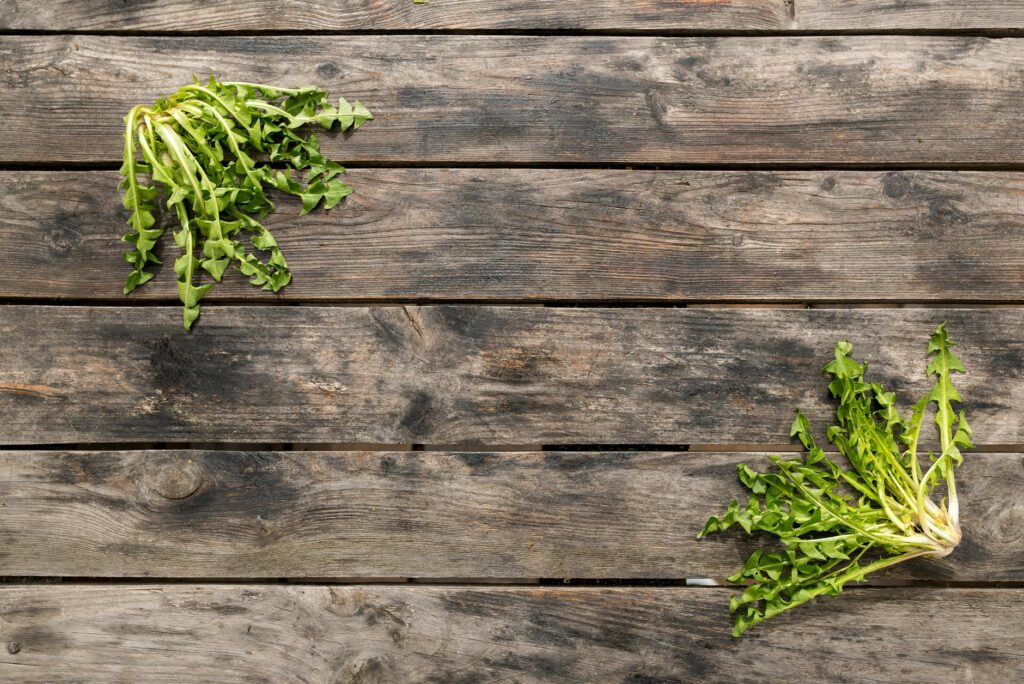
How Dandelion Greens Are Farmed Commercially
Introduction
Dandelion greens, the leafy greens of the Taraxacum officinale plant, have gained popularity not only for their distinct flavor but also for their nutritional benefits. Traditionally regarded as a pesky weed, dandelion greens are now recognized as a valuable culinary ingredient in various cultures. This article will explore the commercial farming practices of dandelion greens, shedding light on their growth, processing, and market dynamics.
What Is Growing?
Growing refers to the cultivation of plants for food, fiber, or other products. In the context of dandelion greens, this involves a series of agricultural practices designed to produce high-quality leaves that meet consumer demand. The growth cycle of dandelion greens is relatively short, allowing for multiple harvests within a growing season. The farming methods can vary, but they generally involve soil preparation, planting, irrigation, pest management, and harvesting, each contributing to the plants’ overall health and yield.
History and Origins
Dandelions are native to Europe and Asia but have spread across the globe, adapting well to diverse climates. Historical records suggest that dandelion greens have been consumed for centuries, often used in traditional dishes and herbal remedies. Ancient Greeks and Romans valued the plant for its culinary and medicinal properties. Over time, dandelion greens have made their way into contemporary cuisine, especially in Mediterranean and Asian dishes, where they are celebrated for their slightly bitter flavor and nutritional profile.
Production and Processing
Cultivation Practices
Commercial dandelion farming typically starts in early spring or late summer, depending on the desired harvest period. Farmers often choose well-drained, fertile soil enriched with organic matter to promote healthy growth. Soil pH levels between 6.0 and 7.0 are ideal for optimal nutrient absorption.
Sowing Seeds
Dandelion greens can be grown from seeds or transplanted from established plants. When sowing seeds, farmers often use a broadcast method to ensure even distribution. Adequate spacing is crucial to prevent overcrowding, which can lead to competition for nutrients and water. Seeds usually germinate within 7 to 14 days under optimal conditions.
Irrigation and Fertilization
Regular watering is essential, particularly during dry spells, as dandelions require consistent moisture to thrive. However, overwatering should be avoided to prevent root rot. Organic fertilizers, such as compost or well-rotted manure, are commonly used to supply essential nutrients without harming the soil ecosystem.
Pest and Disease Management
Dandelion greens are susceptible to various pests, including aphids and caterpillars. Integrated Pest Management (IPM) strategies are often employed, combining mechanical, biological, and chemical methods to minimize crop damage while maintaining environmental sustainability. Crop rotation and intercropping with companion plants can also help deter pests and diseases.
Harvesting
Harvesting typically occurs when the leaves reach a desirable size, usually around 6 to 8 inches long. This process can be done manually or mechanically, depending on the scale of production. Careful harvesting techniques are essential to avoid damaging the plants, as improper handling can affect their quality and shelf life.
Quality and Grading
Quality is a critical factor in the commercial production of dandelion greens. Factors such as leaf size, color, and texture are taken into account during grading. High-quality dandelion greens should be vibrant green, tender, and free from blemishes or signs of pests. The grading process ensures that only the best products reach the market, thereby satisfying consumer expectations.
Buying Considerations
When purchasing dandelion greens, several factors should be considered:
1. Freshness: Look for greens that are vibrant and crisp, indicating they have been recently harvested.
2. Organic Certification: Opting for organic dandelion greens can ensure that they have been grown without synthetic pesticides or fertilizers.
3. Local versus Imported: Local greens may offer better flavor and freshness, while imported varieties may be available year-round.
4. Packaging: Check for proper packaging that protects the greens from damage and maintains their freshness.
5. Seasonality: Understanding the seasonality of dandelion greens can help in selecting the best quality produce.
Uses and Applications
Dandelion greens are versatile and can be used in a variety of culinary applications. They can be enjoyed raw in salads, sautéed, or used as a filling in various dishes. The slightly bitter flavor complements rich ingredients, making them a popular choice in Mediterranean and Asian cuisines. Additionally, dandelion greens can be blanched to reduce bitterness, making them more palatable for those unfamiliar with their taste.
Beyond culinary uses, dandelion greens are also utilized in food products such as smoothies, juices, and herbal teas, capitalizing on their nutritional benefits. Their unique flavor profile and nutrient density make them a sought-after ingredient in the growing trend of health-conscious eating.
Storage and Shelf Life
Proper storage is essential to maintaining the quality of dandelion greens. Ideally, they should be kept in a refrigerator, wrapped in a damp paper towel and placed in a perforated plastic bag to allow for airflow. Under these conditions, fresh dandelion greens can last up to a week. However, it is best to consume them as soon as possible to enjoy their peak flavor and nutritional benefits.
If dandelion greens begin to wilt or show signs of decay, they should be discarded. For longer-term storage, blanching and freezing can preserve their quality, although this may alter their texture.
Common Misconceptions
Despite their increasing popularity, several misconceptions about dandelion greens persist:
1. Weed vs. Vegetable: Many people still view dandelion greens as mere weeds, overlooking their culinary potential and nutritional value.
2. Bitterness: While dandelion greens do have a naturally bitter flavor,