
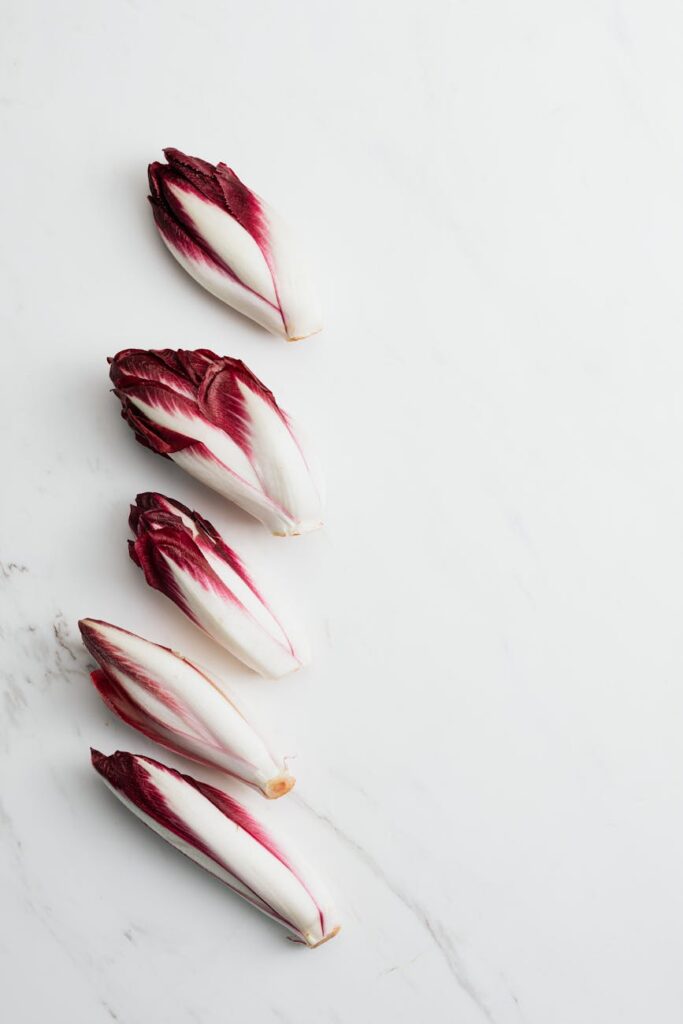
How Endive Is Produced
Introduction
Endive, a leafy green vegetable belonging to the chicory family, has garnered attention for its unique bitter flavor and crisp texture. As a versatile ingredient in culinary applications, it is often used in salads, garnishes, and even cooked dishes. This article delves into the production of endive, offering insights into its history, cultivation practices, processing, grading, and culinary applications.
What Is Endive?
Endive, scientifically known as Cichorium endivia, is a member of the Asteraceae family, which also includes other leafy greens like escarole and radicchio. There are two main types of endive: curly endive (also called frisée) and Belgian endive (also known as witloof). Curly endive features finely serrated, frilly leaves, while Belgian endive is characterized by its elongated, pale leaves that are grown in darkness to develop a milder flavor. Both varieties offer a unique taste profile and texture, making them popular choices among chefs and home cooks alike.
History and Origins
Endive has a rich history that dates back to ancient times. Its origins can be traced to the Mediterranean region, where it was cultivated by the Egyptians and later embraced by the Greeks and Romans. The name “endive” is derived from the Latin word “cichorium,” which referred to various wild chicories.
Belgian endive, in particular, has a more recent history; it was first developed in Belgium in the 19th century. Farmers discovered that by forcing chicory roots in dark conditions, they could produce a pale, tender leaf that was less bitter than its wild counterparts. This process quickly gained popularity, and Belgian endive became a staple in European cuisine.
Production and Processing
Cultivation
Endive thrives in temperate climates, requiring well-drained soil rich in organic matter. The cultivation process begins with seed selection, where high-quality seeds are chosen to ensure robust growth. Endive is typically sown in spring or late summer, depending on the desired harvest time.
Germination and Growth
Seeds are sown directly into the soil, usually in rows spaced about 12 to 18 inches apart. The seeds germinate within a week, and seedlings require careful management to ensure optimal growth. Regular watering, weeding, and pest control are essential during this stage.
Once seedlings reach about 6 inches in height, they are thinned to allow for proper spacing. This ensures that each plant has enough room to develop its characteristic leaves. Endive plants require full sun and moderate temperatures; excessive heat can lead to bolting, where the plant prematurely flowers and becomes inedible.
Harvesting
Harvesting endive is a delicate process, especially for Belgian endive. Curly endive is typically harvested when the leaves are fully developed and vibrant green. The outer leaves are cut away, leaving the inner, tender leaves for consumption.
For Belgian endive, the harvesting process is more intricate. After the roots are dug up, they are cleaned and stored in a cool, dark place to force the growth of the edible shoots. This forcing process, which lasts about three to four weeks, occurs in complete darkness to prevent chlorophyll development, resulting in the pale color associated with Belgian endive. The shoots are then harvested just before they reach maturity to retain their delicate flavor and texture.
Quality and Grading
Quality control is crucial in endive production. Factors such as leaf color, texture, and absence of pest damage play a significant role in grading.
Grading Standards
Endive is generally classified into different grades based on quality:
1. Grade A: Features bright, crisp leaves with no blemishes or discoloration. This grade represents the highest quality and is sought after by chefs and retailers.
2. Grade B: Displays slight imperfections, such as minor blemishes or uneven coloring. While still edible, this grade is often used for processing rather than fresh sales.
3. Grade C: Contains significant flaws, such as wilting or yellowing leaves. This grade is typically reserved for industrial use.
Proper storage conditions and handling practices are vital to maintaining quality throughout the supply chain.
Buying Considerations
When purchasing endive, several factors should be taken into account to ensure the best quality:
- Freshness: Look for endive that has crisp, vibrant leaves and a firm texture. Avoid any that appear wilted or discolored.
- Source: Knowing where your endive comes from can help ensure quality. Local farmers’ markets often offer fresher options than large grocery chains.
- Organic vs. Conventional: Organic endive may be preferable for those concerned about pesticide use. However, it is essential to consider the source and farming practices.
- Seasonality: Although endive is available year-round, its peak season varies. Understanding when it is in season can help you select the freshest options.
- Salads: Curly endive adds texture and a slightly bitter flavor to salads, often paired with sweet dressings or fruits.
- Garnishes: The unique shape and texture of endive leaves make them excellent for garnishing dishes, providing both flavor and visual appeal.
- Stuffed Dishes: Belgian endive can be filled with various ingredients, creating elegant appetizers that showcase its delicate flavor.
- Cooking: While often eaten raw, endive can also be sautéed, grilled, or braised. Cooking can help to mellow its bitterness and enhance its natural sweetness.
- Refrigeration: Endive should be stored in the refrigerator, ideally in a
Uses and Applications
Endive is versatile and can be used in a variety of culinary applications:
Storage and Shelf Life
Proper storage is essential to maintain the freshness of endive: