
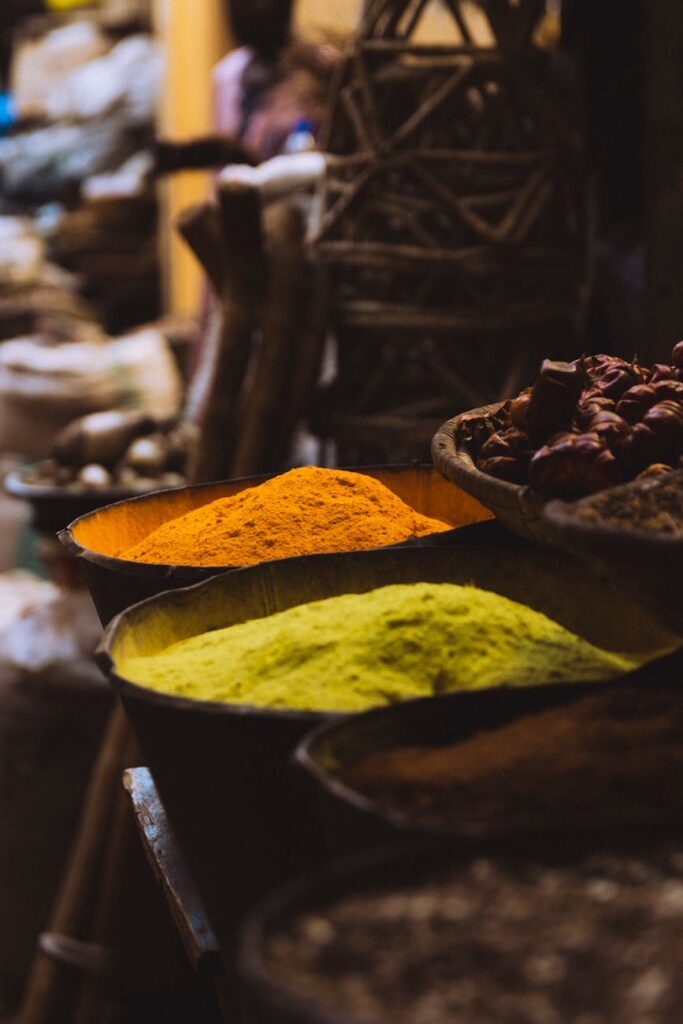
How Faro Is Produced
Introduction
Faro, a lesser-known grain, serves as a staple in various culinary traditions, particularly in North Africa and the Mediterranean. Renowned for its nutty flavor and chewy texture, Faro is increasingly gaining recognition in global cuisine. This article delves into the intricacies of Faro, exploring its history, production, grading, and diverse applications in the culinary world.
What Is Faro?
Faro is often recognized as a type of hulled wheat, specifically derived from ancient varieties of emmer wheat (Triticum dicoccum). This ancient grain has been cultivated for thousands of years, making it a significant part of agricultural history. Faro is characterized by its high nutritional value, including protein, fiber, and important minerals like magnesium and iron. Its unique texture and earthy flavor lend themselves well to a variety of dishes, from salads to stews.
History and Origins
The origins of Faro can be traced back to the Fertile Crescent, an area that spans parts of modern-day Iraq, Syria, Lebanon, Israel, and Jordan. Archaeological evidence suggests that emmer wheat was one of the first cultivated grains, dating back to around 9000 BCE. Faro has been a vital food source for ancient civilizations, serving as a staple in the diets of early Egyptians, Romans, and Greeks.
In recent centuries, Faro has seen a resurgence in popularity, particularly among health-conscious consumers and chefs interested in ancient grains. Its adaptability and nutritional benefits have led to its cultivation in various regions, including parts of Italy, where it is often associated with traditional dishes.
Production and Processing
The production of Faro involves several stages, from cultivation to processing. Understanding these stages is essential for appreciating the grain’s journey from field to table.
Cultivation
Faro is typically grown in temperate climates, thriving in well-drained soils. The cultivation process begins with the selection of high-quality seeds, often sourced from heritage varieties to maintain genetic diversity. Farmers prepare the soil through tilling and the application of organic fertilizers.
Once planted, Faro requires adequate water supply, especially during the germination phase. While it is somewhat drought-resistant, ensuring proper irrigation can enhance yield. Farmers often monitor the crop closely, watching for pests and diseases, which can affect the quality of the grain.
Harvesting
Harvesting Faro usually occurs in late summer or early autumn when the grains are fully mature. This is often signaled by the yellowing of the stalks and the hardening of the grains. Traditional methods of harvesting involve cutting the stalks by hand with sickles, although modern machinery is increasingly used for efficiency.
Post-harvest, the grains are separated from the chaff through threshing, which can be done manually or with machinery. This separation is crucial for obtaining the clean grains needed for processing.
Processing
Once harvested, the grains undergo several processing steps. First, they are cleaned to remove impurities such as dirt, stones, and plant residues. This can involve the use of air blowers and sieves.
Next, the grains are hulled to remove the outer bran layer. This process is essential for producing Faro as it enhances the grain’s digestibility and flavor. Depending on the desired final product, Faro may then be steamed and dried, a method that improves its cooking properties.
Finally, the grains may be toasted to develop a rich flavor profile. This is especially common in some culinary traditions, adding depth to the grain’s natural nuttiness.
Quality and Grading
Quality and grading are crucial aspects of Faro production that can significantly affect its culinary applications. Various factors determine the quality of Faro, including its moisture content, color, and the absence of defects.
Grading Criteria
1. Moisture Content: High-quality Faro typically has a moisture content of around 12-14%. Excess moisture can lead to spoilage and mold growth.
2. Color: The grains should display a consistent color, usually a pale golden hue. Darker grains may indicate over-ripeness or improper storage.
3. Defects: A high-quality Faro should have minimal broken grains, foreign materials, or signs of insect damage. Grading standards may vary by region, but these criteria are widely recognized.
Buying Considerations
When purchasing Faro, several factors should be considered to ensure you are selecting a high-quality product.
Source and Certification
Look for reputable suppliers who can provide information about the grain’s origin. Organic certification may also be a consideration for those seeking sustainably produced grains.
Packaging
Quality packaging can affect the grain’s shelf life. Choose products that are vacuum-sealed or stored in airtight containers to preserve freshness.
Price
While price can often reflect quality, it’s essential to consider the source and production methods. Higher prices may be justified for heritage varieties or sustainably farmed grains.
Uses and Applications
Faro’s versatility makes it suitable for a wide range of culinary applications. Its chewy texture and nutty flavor complement various dishes, enhancing both nutrition and taste.
Culinary Uses
1. Salads: Faro serves as an excellent base for salads, providing a hearty element that pairs well with vegetables and dressings.
2. Side Dishes: It can be served as a side dish, similar to rice or quinoa, absorbing flavors from accompanying sauces.
3. Soups and Stews: Adding Faro to soups and stews imparts a unique texture and nutritional boost, making them more satisfying.
4. Baking: Ground Faro flour can be utilized in baking, offering a distinct flavor to bread, muffins, and pancakes.
5. Breakfast Dishes: Cooked Faro can also be used in breakfast dishes, such as porridge, providing a nutritious start to the day.
Storage and Shelf Life
Proper storage is vital for maintaining Faro’s quality and extending its shelf life. When stored correctly, Faro can last